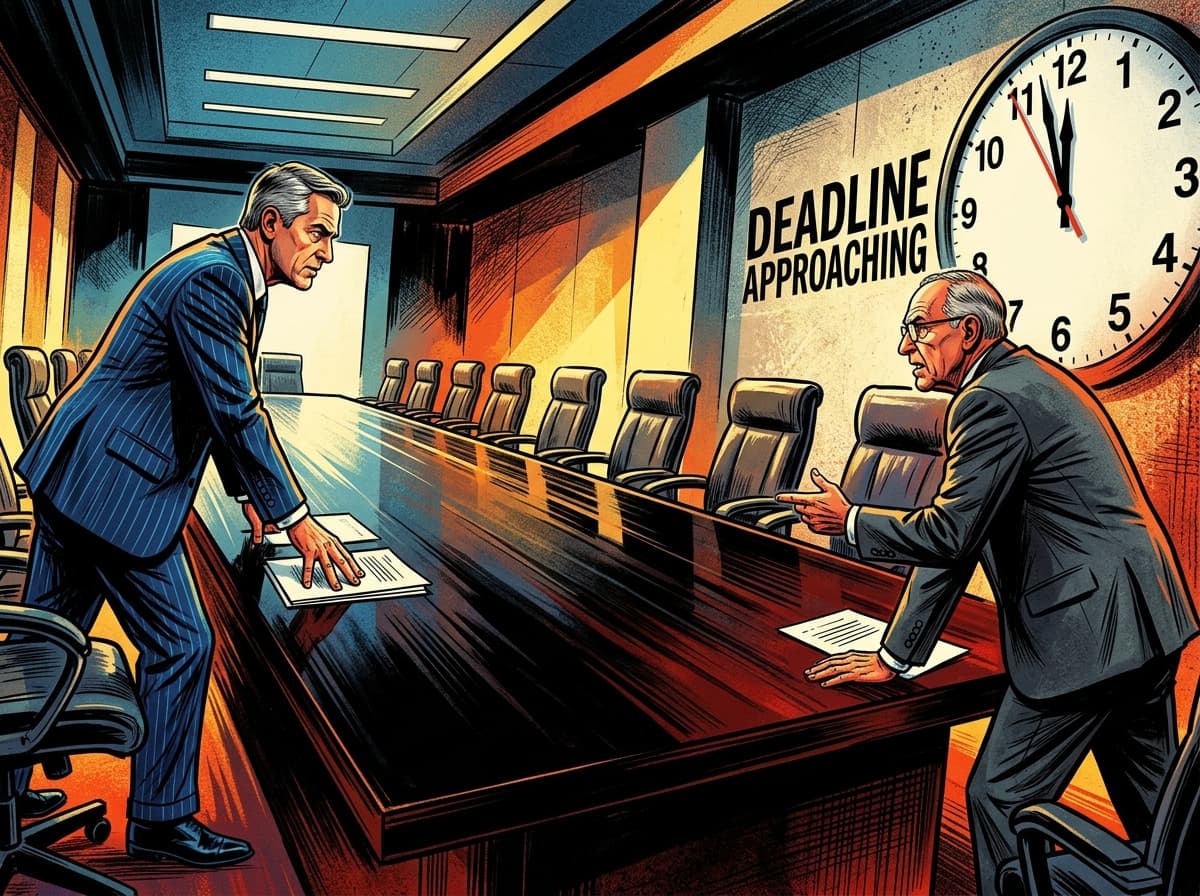
Tehran and Washington have continued their decades-long pattern of posturing over substantive engagement, with both sides maintaining tough positions on sanctions, nuclear issues, and regional security. Iranian leadership has leveraged resistance narratives, while American officials face pressure from congressional hawks and regional allies who oppose concessions to Tehran's nuclear program. Every missed opportunity and hardline statement has contributed to the ongoing diplomatic gridlock.
The Biden administration remains under scrutiny as the May 15 deadline for a potential diplomatic meeting with Iran draws near. Despite months of speculation about a possible breakthrough, there has been little sign of progress, and the window for a surprise announcement or emergency meeting is rapidly closing.
Prediction markets now price the likelihood of a US-Iran diplomatic meeting by May 15 at 23.5%, following a sharp 13.5 percentage-point drop in the past day. Trading volume reached $136,581.21 during this period. Earlier, the probability had been at 37%, reflecting previous optimism about a diplomatic breakthrough. The rapid shift in market pricing suggests a consensus that neither side is likely to achieve meaningful progress before the deadline.
Market participants have moved decisively away from coin-flip odds, indicating recognition that the deadline carries actual weight rather than serving as another opportunity to extend negotiations. The steep single-day decline in probability is among the largest recorded for this diplomatic scenario, reflecting skepticism about breakthrough diplomacy between nations with fundamental strategic disagreements.
Tehran's continued uranium enrichment activities and Washington's maintenance of comprehensive sanctions remain structural barriers. Prediction markets have responded by sharply reducing the probability of a meeting, signaling that traders view the current diplomatic landscape as gridlocked with little chance of resolution before the May 15 cutoff.