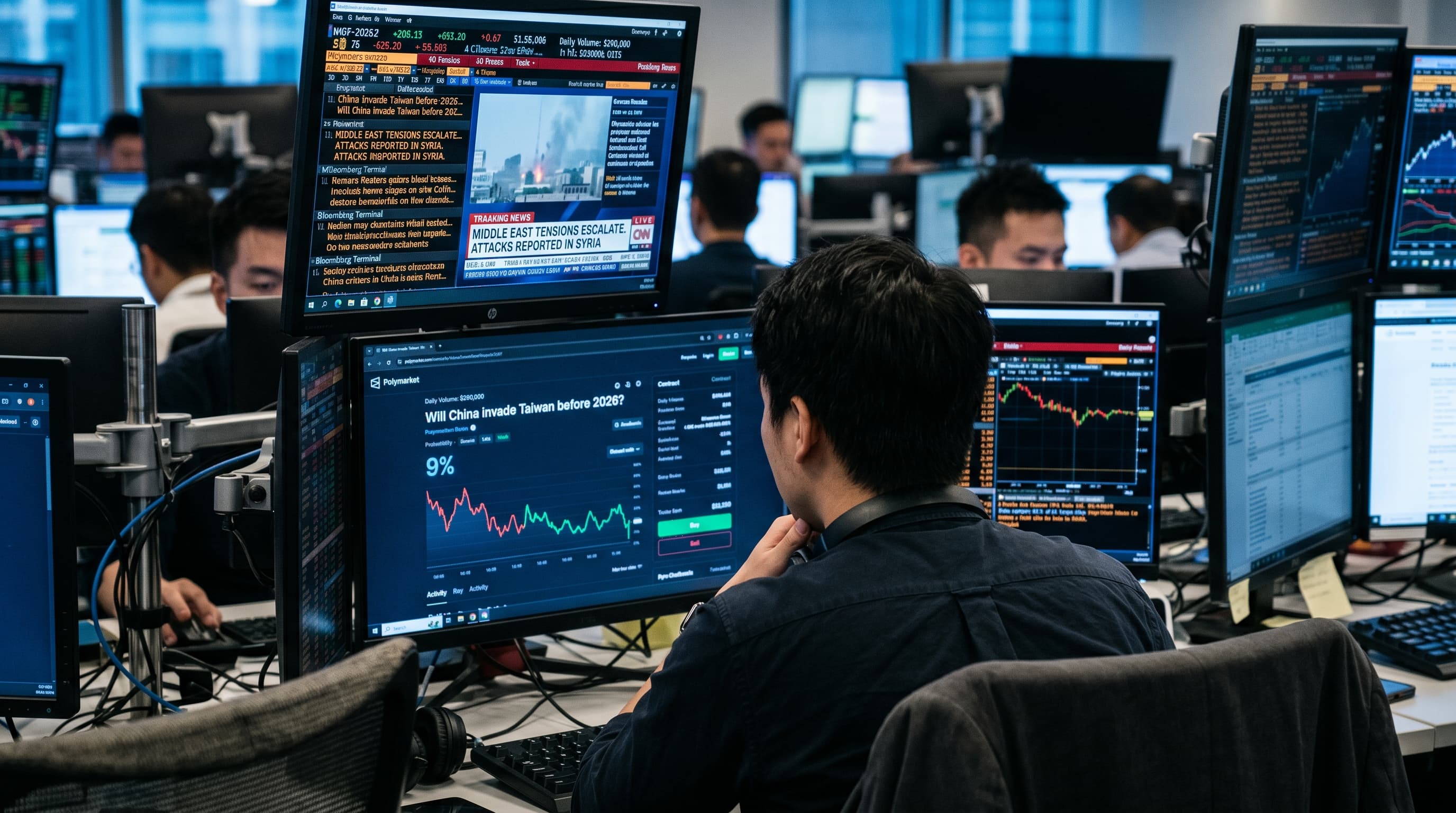
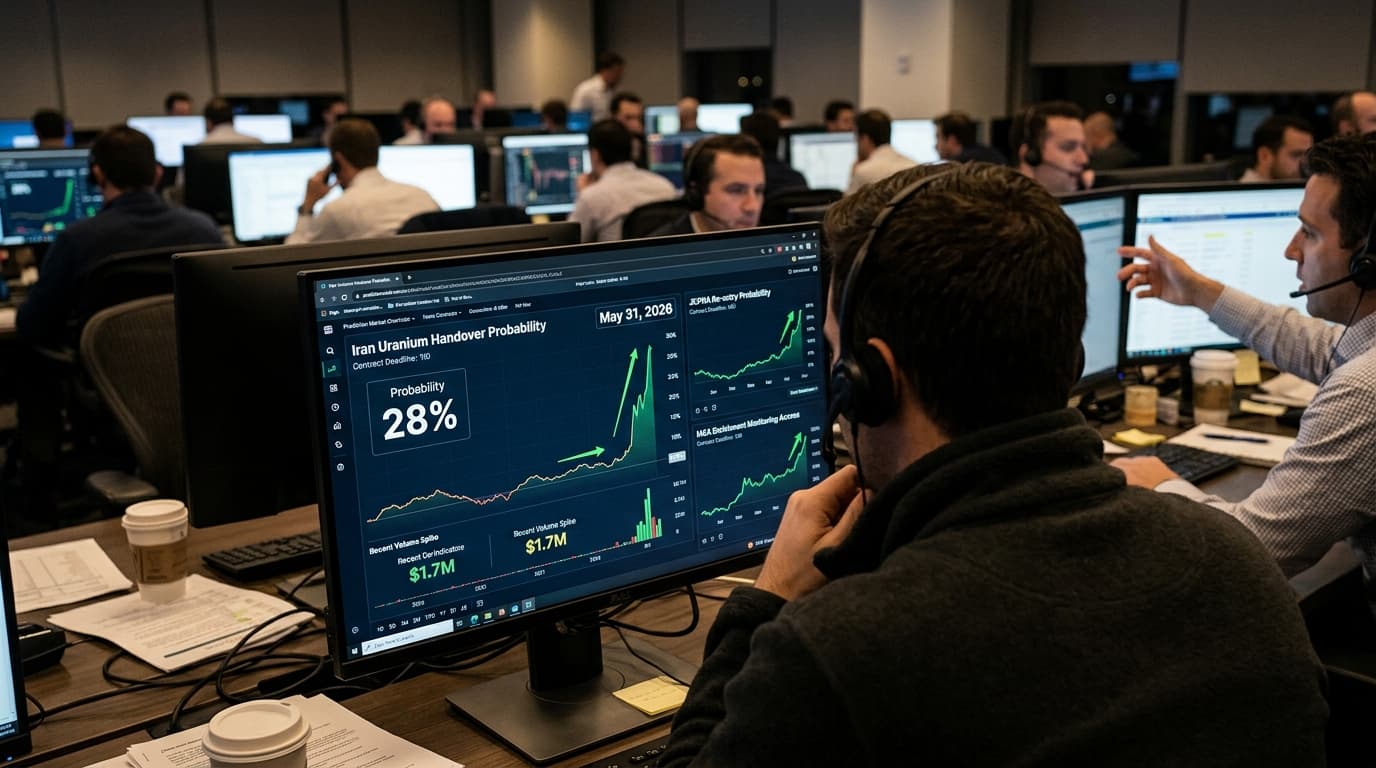
Here's what everyone's missing about the Iran invasion market: $375,404.76 in trading volume with zero movement tells you everything.
The probability sits at 33.5% — unchanged despite massive action. That's not indecision. That's a market in perfect disagreement.
Half the traders think regional tensions are overblown. The other half sees escalation as inevitable. Both sides are throwing serious money at their conviction, creating this standoff where volume explodes but odds stay frozen.
I've watched geopolitical markets for years. This pattern — heavy volume, stable price — signals something big brewing beneath the surface. Traders aren't just speculating. They're positioning for scenarios they think the mainstream hasn't priced in yet.
The market asks whether the U.S. will invade Iran before 2027. That's a long runway, but the current trading intensity suggests people aren't waiting to see how things develop. They're making their bets now.
What's fascinating is the precision of that 33.5%. The market has found its equilibrium at exactly one-third probability, and neither bulls nor bears can budge it despite throwing hundreds of thousands at the question.
This reveals the smart money sees genuine uncertainty. If invasion odds were obviously too high or too low, we'd see directional movement. Instead, we get this perfect tension between competing worldviews.
The volume surge without price movement is classic prediction market behavior when big news feels imminent but nobody knows which direction it breaks. Traders are loading up on both sides, waiting for the catalyst that tips the scales.
Diplomatic tensions create these moments where everyone thinks they know what happens next, but the market reveals how little anyone actually knows. The action is telling us to pay attention.
Smart money is positioning now because they know something the headlines haven't caught yet.