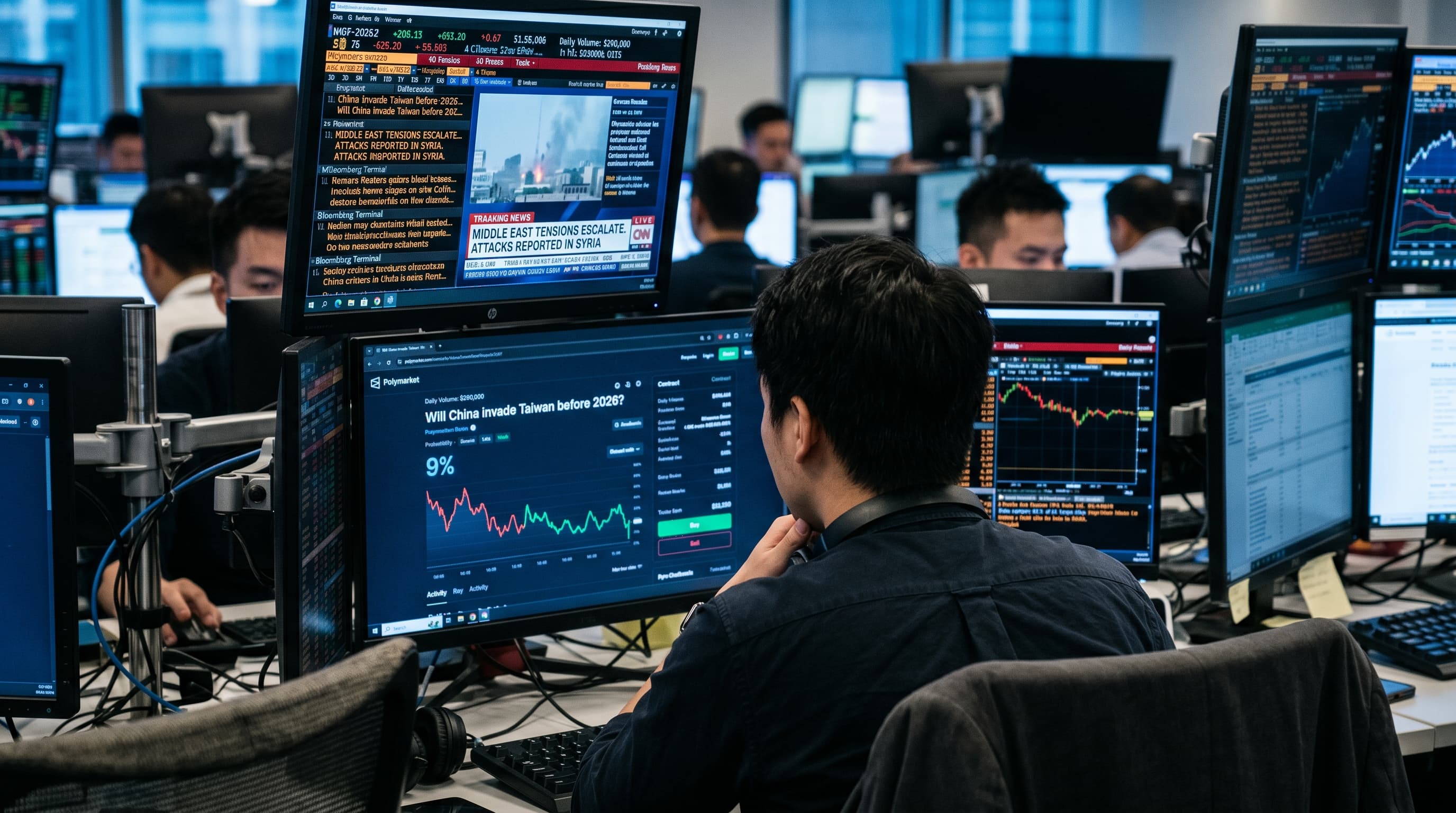
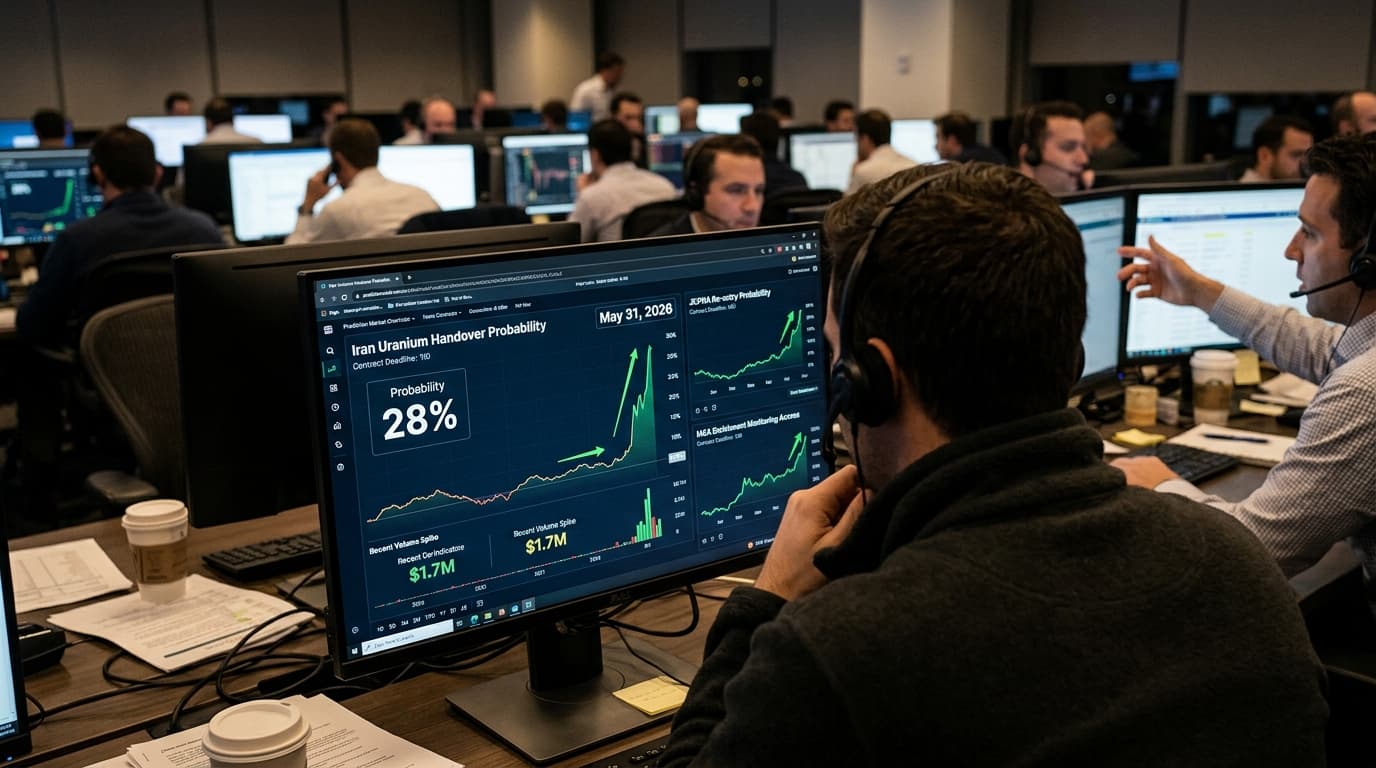
Here's what everyone's missing about Iran: the market doesn't panic just because Twitter does.
US invasion odds before 2027 sit rock-solid at 33.5%. Zero movement in 24 hours. That's not traders being sleepy — that's traders pricing in reality.
Volume hit $245,036 yesterday, so people are paying attention. They're just not buying the invasion hype that floods the news cycle every time there's a missile strike or sanctions announcement.
The thing about Iran: we've been here before. Tensions flare, hawks pound war drums, markets... shrug. Anyone actually trading this knows the difference between theater and real escalation prep.
Look, I get why people think every Iranian proxy attack means invasion is imminent. The region stays hot, the rhetoric stays nuclear, and American forces stay positioned. But 33.5% means traders see a one-in-three shot over the next few years — not next month.
That probability factors in everything: Iran's missile defense upgrades, the nightmare logistics of invading a mountainous country twice the size of Texas, and the political reality that American voters aren't hungry for another Middle East war.
The steady price tells the real story. Traders aren't pricing in diplomatic breakthroughs or sudden de-escalation. They're pricing in more of what we've had for years: managed tension, proxy conflicts, and strategic positioning that stays just short of actual warfare.
Regional allies know this too. Maximum pressure campaigns and diplomatic outreach happen simultaneously because everyone understands the game. Iran develops capabilities, America applies pressure, both sides calibrate to stay in the danger zone without crossing into the catastrophe zone.
The nuclear timeline creates urgency, sure. But urgency and invasion are different calculations entirely. Intelligence assessments drive sanctions policy and defensive positioning — they don't automatically translate to invasion orders.
Here's my read: traders are pricing this correctly. The current tension level is the new baseline, not a countdown to war. Both sides have too much to lose and too many ways to manage the conflict short of full-scale military action.
The market stays flat because the market sees what pundits miss: sustainable hostility beats unsustainable war.