36.5%. That's where the market sits on US-Iran diplomatic talks before May 15th — down 10 percentage points as reality sets in.
Here's what I see: traders are finally waking up to how impossible this timeline actually is. $188,295.2 in volume tells the story of money fleeing this bet as the May deadline approaches.
The math was always brutal. High-level diplomatic meetings don't materialize overnight, especially between these two countries. Both sides face massive internal resistance. Iran's hardliners won't budge without major concessions. Washington's constraints are equally real.
The 10 percentage points drop signals something deeper than technical skepticism. This market is pricing in decades of failed diplomatic attempts, proxy conflicts across the Middle East, and the sheer logistics nightmare of organizing such talks with zero advance planning.
I called this trajectory weeks ago when the probability was floating in fantasy territory. Regional tensions don't pause for market deadlines. Neither side has shown serious preparation for breakthrough engagement.
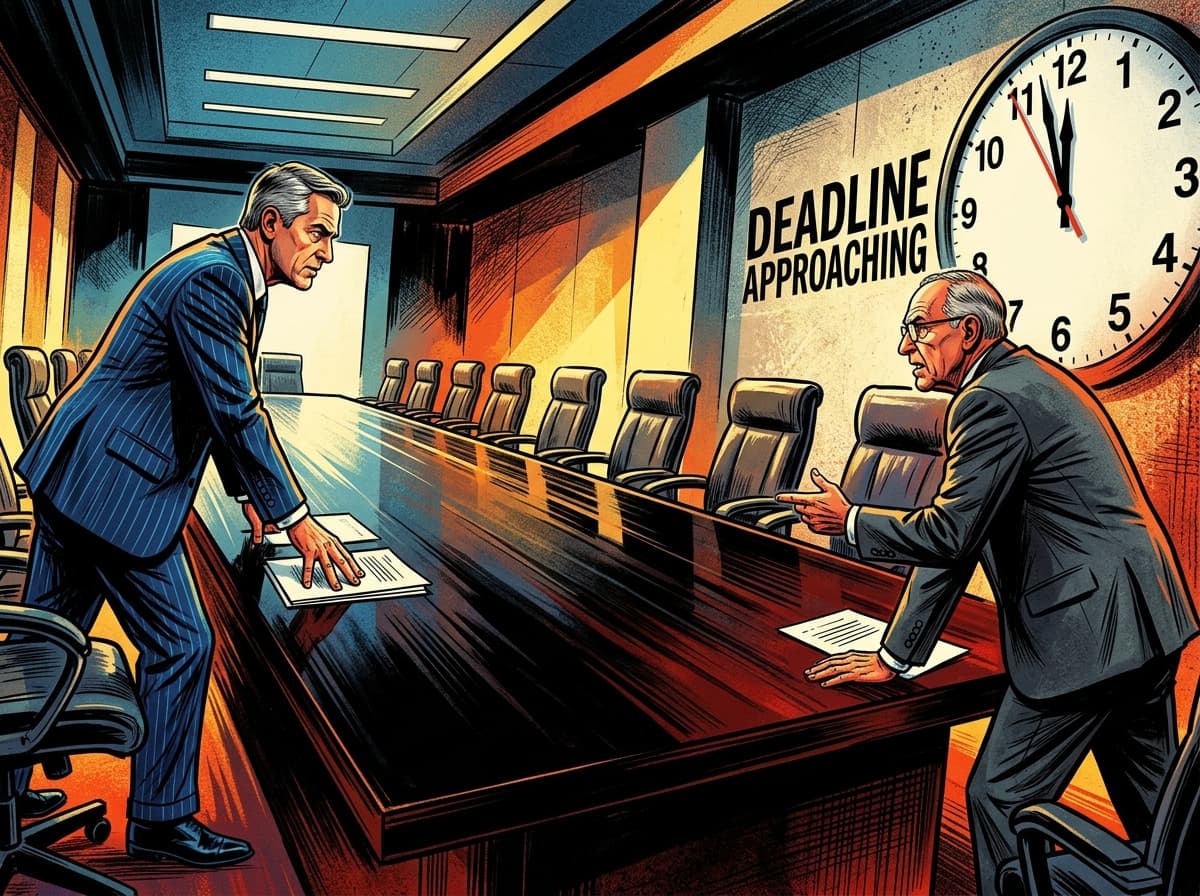
The window keeps shrinking. Limited time remains to coordinate what typically takes months of back-channel work. The market is finally catching up to diplomatic reality — these meetings require groundwork that simply doesn't exist.
Traders who held this position hoping for last-minute breakthrough announcements are learning an expensive lesson about geopolitical timelines. The 36.5% probability still feels generous given the constraints.
Sanctions disputes remain unresolved. Regional security concerns haven't disappeared. The domestic political costs on both sides haven't decreased. Nothing in the diplomatic landscape suggests sudden momentum toward direct engagement.
The volume spike shows serious money exiting as participants reassess what breakthrough talks actually require versus what the timeline allows.
This is prediction markets doing what they do best — cutting through wishful thinking with cold probability assessment. The May 15th deadline isn't moving, and neither are the fundamental obstacles that have blocked US-Iran diplomacy for years.
The market's message is clear: hope isn't a diplomatic strategy.