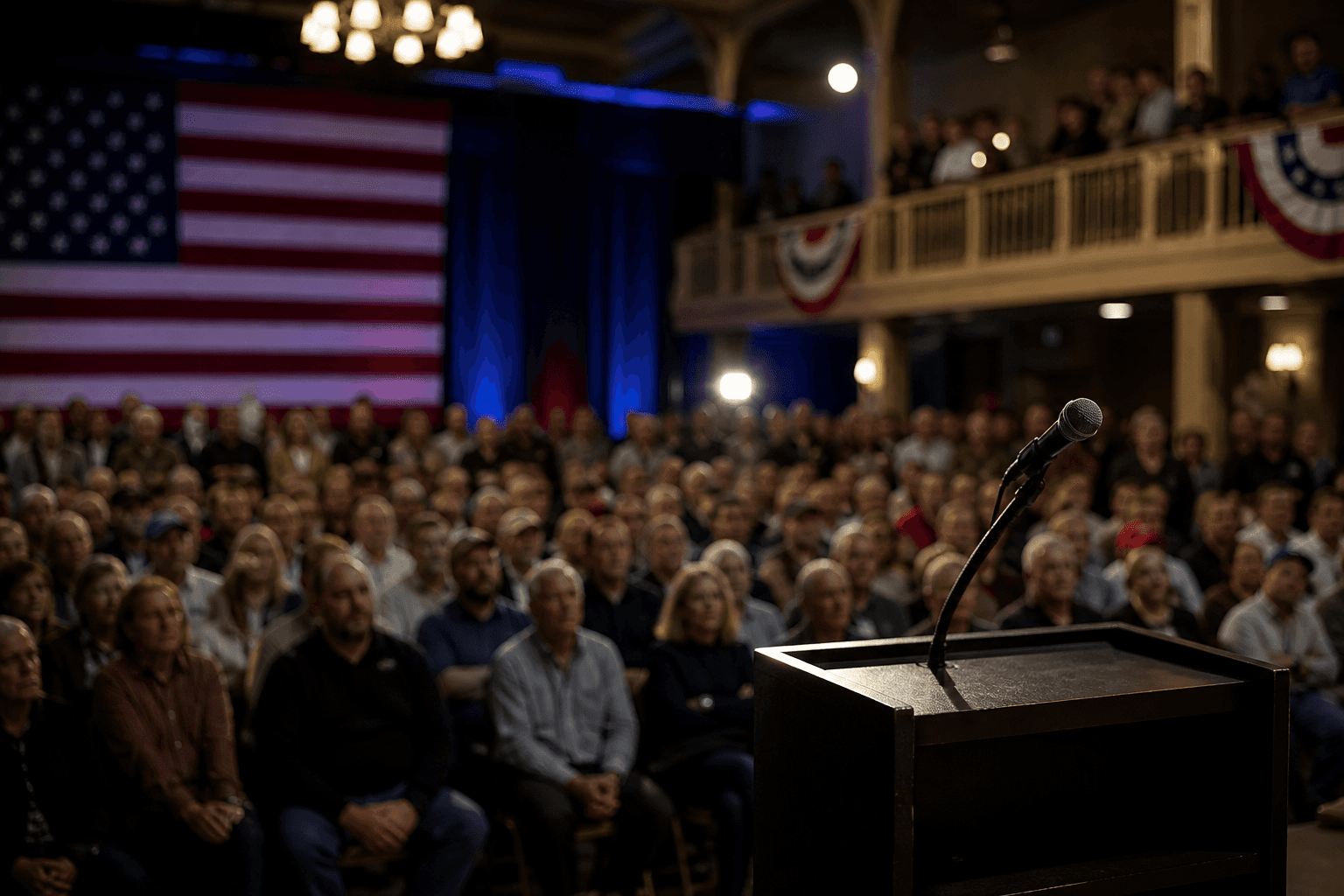
For years, Stephen Lynch has survived Massachusetts primaries by making challengers look louder than they were dangerous. That pattern is no longer holding as comfortably in the Eighth Congressional District. With the September primary approaching, Patrick Roath has managed to turn what could have been another symbolic challenge into a real argument about age, energy and what Democratic voters want from a safely blue seat in the Trump era. The district still knows Lynch well after a quarter century in office, but the race has become competitive enough that local political observers are describing it as the toughest test he has faced in years.
The challenge is built on more than mood. Boston.com's account of the candidates' Weymouth forum showed a direct clash over immigration, health care and whether Lynch's seniority still counts for enough in a changing district. Coverage from Spectrum News has framed Roath as a progressive challenger who is no longer running merely on symbolism. He has drawn organized support from groups that want a more confrontational Democratic style, and he has pushed hard on the idea that Lynch has become a backbencher at a moment when voters want a more visible fight. The money picture has helped make that case plausible. Federal Election Commission data shows Roath had already raised more than a million dollars through the end of June, unusual fuel for a challenger trying to convert activist energy into a district-wide campaign. That financial showing matters because it gives dissatisfied Democrats a plausible vehicle for protest rather than a purely expressive vote.
Kalshi traders have responded to that same mix of debate exposure, fundraising and endorsements by moving the primary from a sleepy incumbent hold into a contest with real suspense. On the Massachusetts district board, Lynch remains ahead, but Roath's challenge was strong enough earlier in August that the race still sits among the visible primary cards on the site's home screen. That does not mean traders are declaring an upset inevitable. It means the race has developed enough substance for outside observers to price a serious challenge instead of treating the challenger as background noise.
The final stretch will come down to whether Lynch's older coalition is more durable than the anti-incumbent mood surrounding him. He still has labor credibility, deep district roots and the institutional familiarity that often decides low-turnout primaries. Roath is asking voters to believe that longevity has curdled into complacency and that this is the year a safer Democratic seat should be used to send a generational message. Even if Lynch survives, the race is already telling Democrats something important about their own electorate: a district that once tolerated quiet seniority is now at least willing to audition a louder alternative.