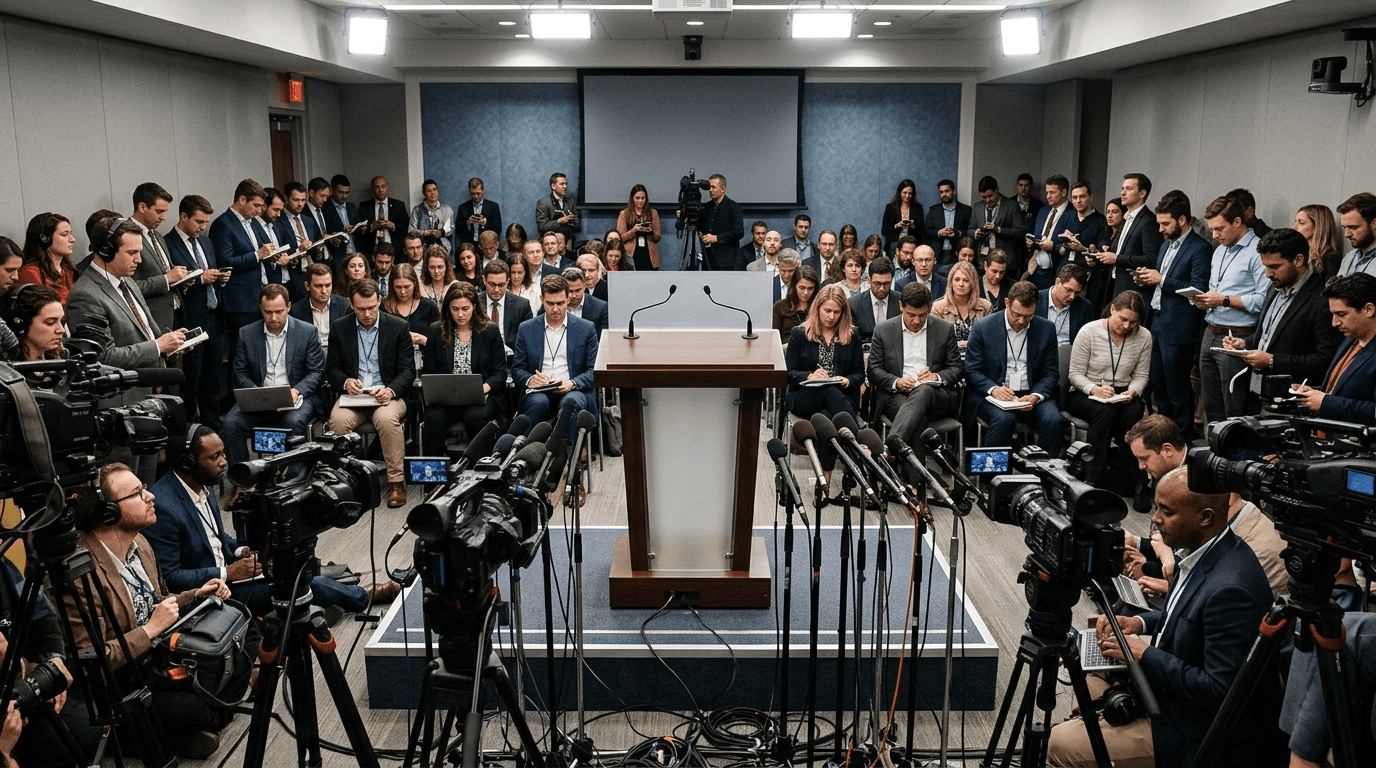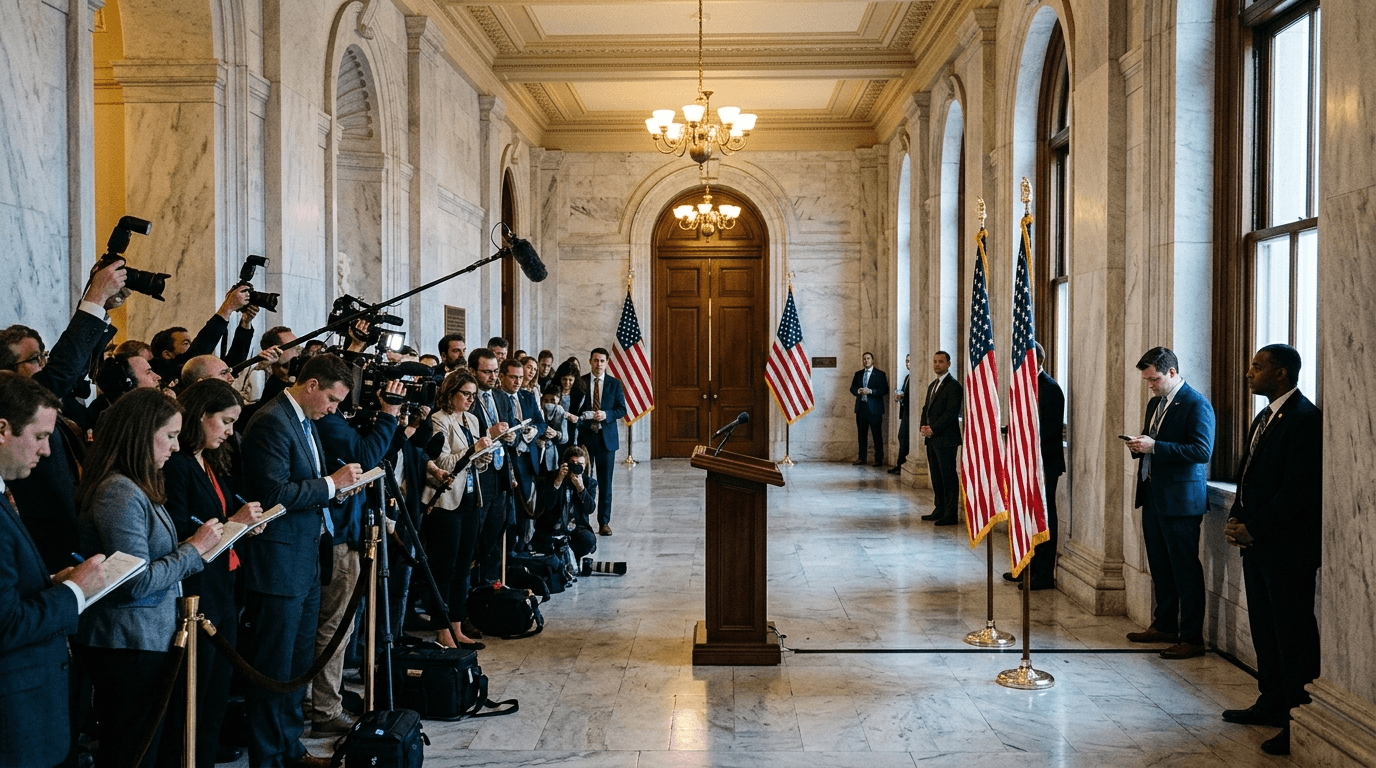
A close contest for Virginia’s First Congressional District could matter beyond its voters: the district is among the seats Democrats are trying to flip, and Republicans have held it since the nineteen-seventies, according to VPM. A Washington Post poll report says Democrat Shannon Taylor has a narrow edge over Republican incumbent Rob Wittman. Yet the evidence available here does not establish how durable that lead is, and the market’s near-even split offers no clear answer about who will win. The stakes are representation for the district and a seat in the broader contest for control of the House.
Kalshi’s contract on a Republican victory stood at 48% as of 10:01 a.m. ET on Oct. 1; its contract on a Democratic victory stood at 52% at the same time. These are traders’ current beliefs, not an objective probability or a forecast. The market changed little over the preceding week: the Republican contract was down 1 point over the week, while the Democratic contract was up 0 points over the week. Trading was active on both contracts over the last day, with 7,072 contracts traded over the last day on the Republican contract and 5,821 contracts traded over the last day on the Democratic one. That activity does not settle the outcome or establish why traders hold their current views. The nearly even prices are evidence of uncertainty, not a prediction that the candidates are equally likely to win.
The candidates’ positions in a VPM questionnaire put one local concern into sharper focus: who pays for the infrastructure needed to support data-center development. Taylor argues that development should not raise residents’ energy or water costs. Wittman says data centers should pay for the infrastructure needed to serve them and supports the Ratepayer Protection Act. Their statements show a contrast in how they frame the costs, but do not show which issue voters will prioritize, how voters assess either position, or whether the issue will shape the result. The questionnaire describes what the candidates say; it is not evidence of voters’ response.
The poll should be read as a snapshot, not an election result. The Washington Post page available for this draft does not provide the poll’s sample, field dates, margin of error or methodology, so readers cannot assess those details here. A reported lead alone cannot establish whether Taylor’s advantage will persist, and the close market split does not supply the missing information. The candidate questionnaire likewise cannot answer how voters will weigh the competing arguments. The evidence leaves open whether the poll lead holds, how the campaign develops, and which candidate ultimately wins.
Virginia early voting began on September eighteenth, with Election Day on Nov. 3. The contest will decide who represents the district, and its outcome also figures into the broader fight for House control. For now, the poll report offers a narrow edge for Taylor while traders’ views remain nearly even. Neither resolves the race, and neither tells readers how voters will weigh the candidates’ arguments about affordability and data-center costs. The central uncertainty is not simply whether one snapshot shows a lead, but whether that lead persists through the election. Without the poll details or evidence of voter response to the candidates’ positions, the available material cannot say which way the contest will break.