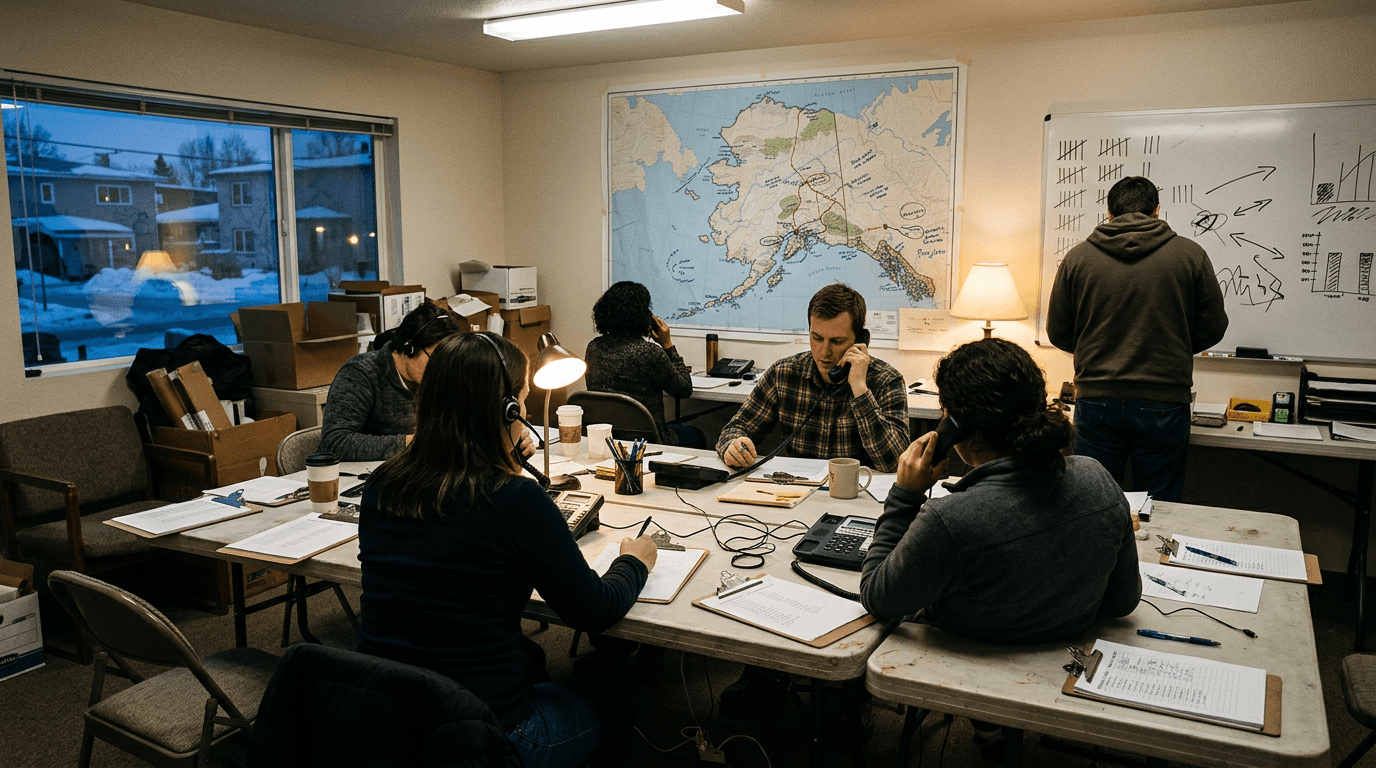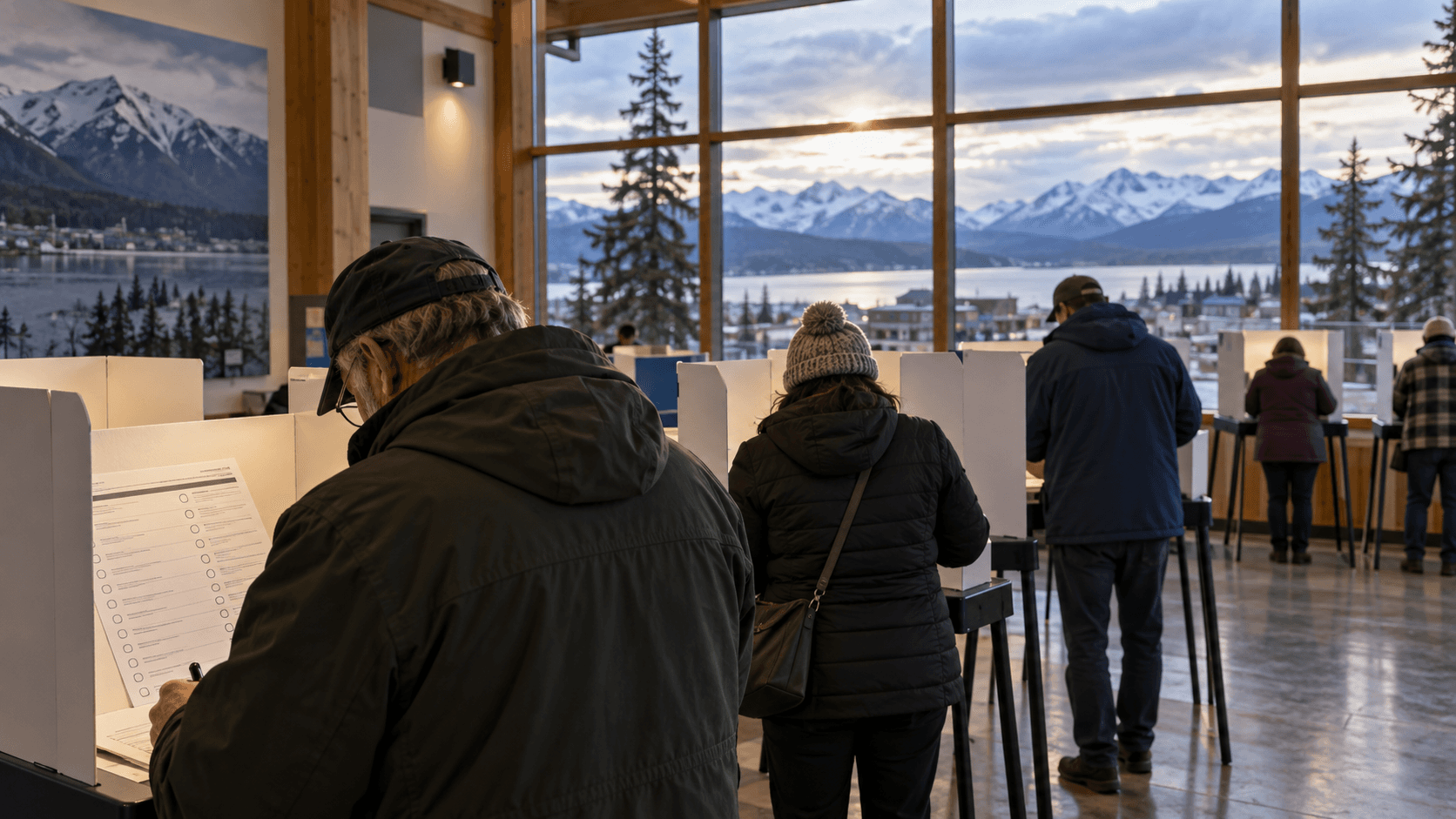
Alaska’s Senate race is settling into a high-stakes rematch between former Democratic representative Mary Peltola and Republican incumbent Dan Sullivan, with ranked-choice voting poised to decide whether either can build a majority. Peltola leads forty-eight percent to forty-four percent in the latest Alaska Survey Research figures compiled from fieldwork conducted in mid-September. Two other candidates with the Sullivan surname and Republican Gerald Heikes divide the remaining support. That unusual ballot makes the contest more than a conventional two-party race: voters must distinguish between similarly named candidates and decide how many preferences to rank before lower finishers are eliminated.
The underlying race has remained close for months. Alaska Survey Research’s spring work placed Peltola narrowly ahead in the first round and above fifty percent after preferences were redistributed, while earlier public polling showed Sullivan with a small advantage. Peltola brings statewide familiarity from her House service and a coalition that previously combined Democrats, independents and some Republicans. Sullivan enters with the advantages of incumbency and a national party eager to defend a seat that could matter for control of the Senate. The smaller candidates may not win, but their voters’ second choices could determine the final margin if neither leading contender starts above a majority.
A new Kalshi event puts the chance that Peltola reaches at least fifty percent in the final ranked-choice round near fifty-two percent. The selected market opened Thursday evening and recorded about four hundred forty dollars in activity and open interest by Friday morning, so the price is an early and relatively thin assessment rather than a robust forecast. It also addresses Peltola’s final-round vote share, not simply whether she wins the seat. That distinction matters in a system where successive eliminations can move both finalists upward and where exhausted ballots can change the denominator used to determine a majority.
The campaign’s next phase will test whether the current ordering survives heavier advertising and greater voter attention. Both leading candidates must persuade supporters to rank beyond a first choice, while election officials face renewed pressure to explain how the tabulation works. The presence of Dan S. Sullivan and Dan J. Sullivan creates an additional education challenge that campaigns cannot treat as a footnote. Polling in Alaska is difficult, and small changes in turnout among Native communities, independents and conservative voters can reshape a statewide result. The strongest evidence will come from subsequent surveys that publish full ranked-choice rounds, candidate debates that clarify the ballot and any organized ranking strategy from the parties. Election officials must also explain when ballots exhaust and how later preferences transfer, details that can affect public confidence in a close count. Until then, the race remains balanced between Peltola’s coalition potential and Sullivan’s incumbency.