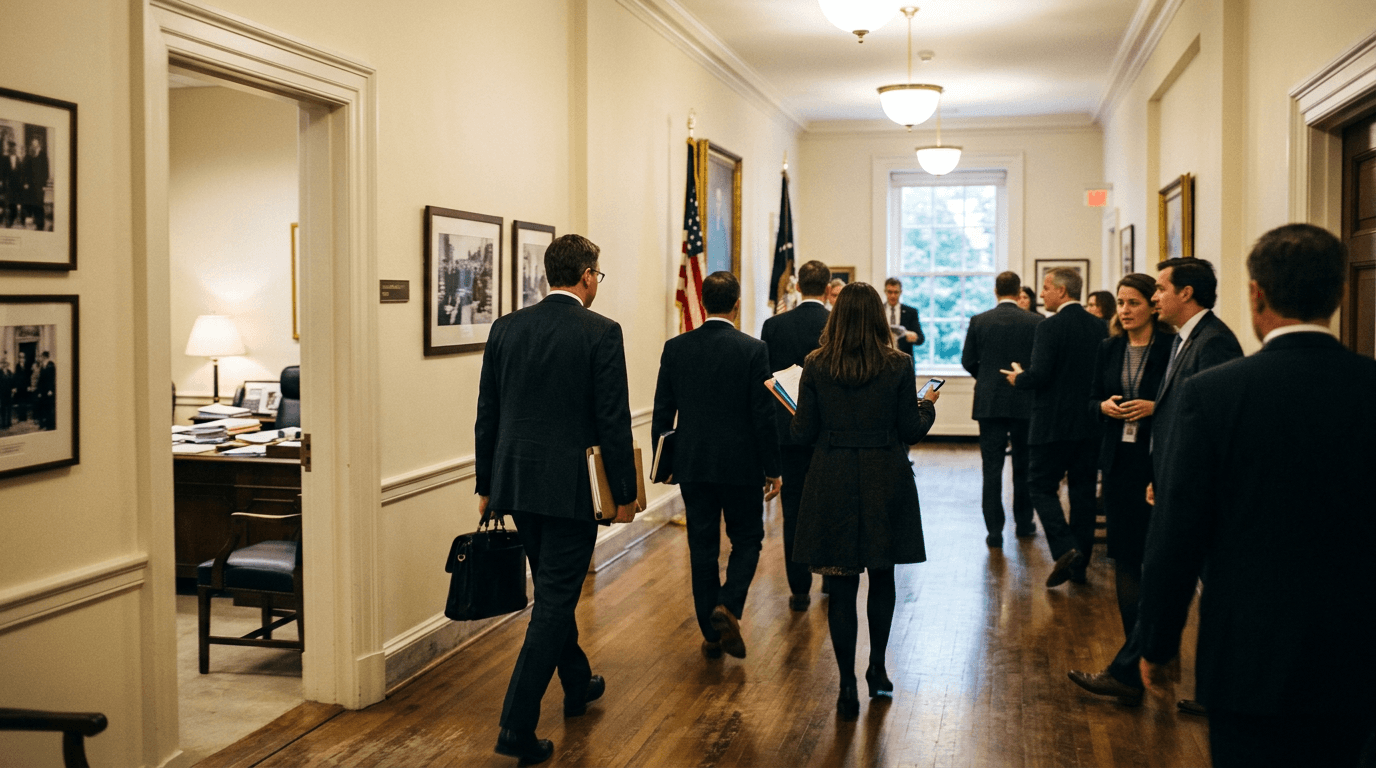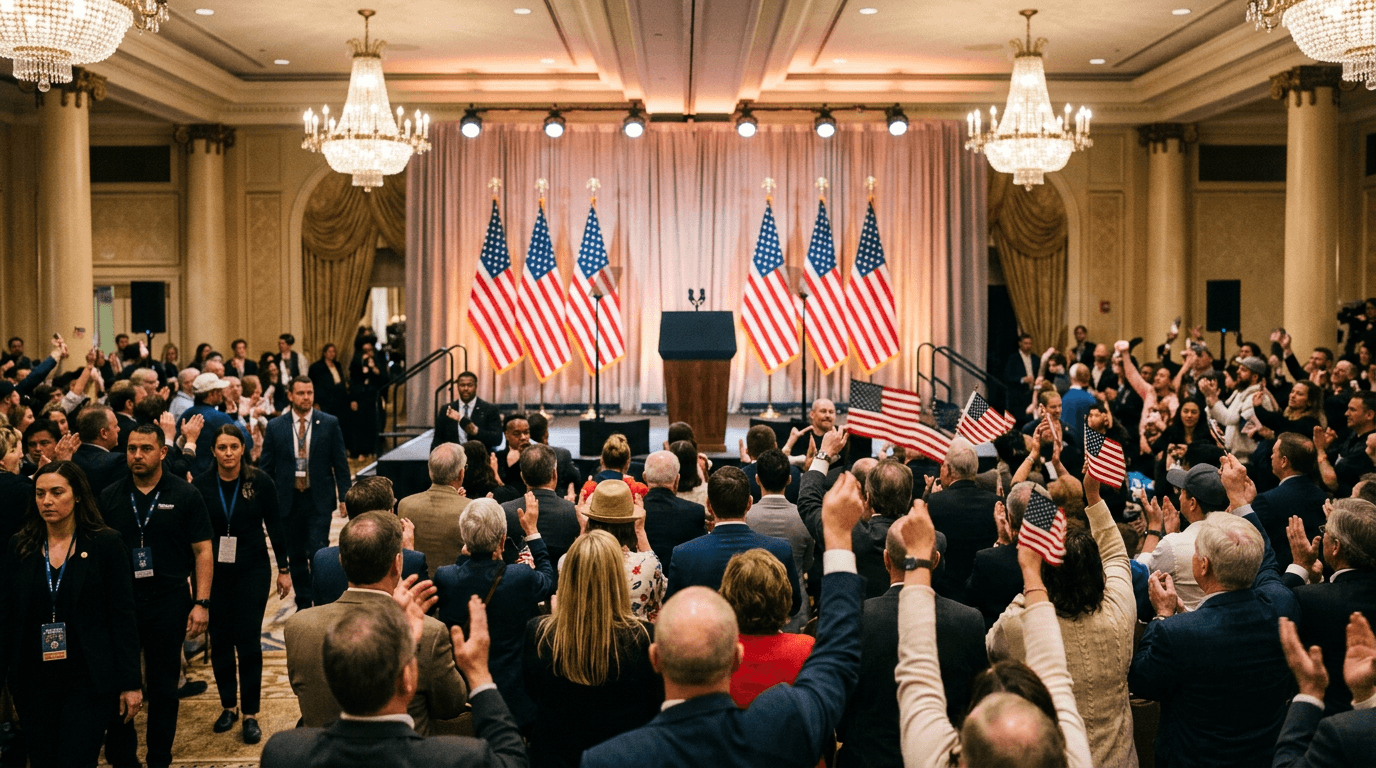
A pair of planned appearances in South Carolina has revived a consequential question for Democrats: will Cory Booker seek the party’s presidential nomination? The visits are a signal worth watching, but they do not establish that he has decided to run. Booker has not officially announced a candidacy, and the available evidence leaves a wide gap between political activity and a presidential campaign.
Booker has previously left the door open. He said he was not ruling out a presidential run while emphasizing his Senate reelection campaign. He has also argued that Democrats need a more unifying vision, rather than a politics centered only on opposition to Trump. Those statements show how he has framed the possibility and the party’s direction; neither is an announcement of a bid. Booker has run for president before and left the Democratic primary early, citing a lack of funds, a reminder that interest in the office and the practical decision to campaign are different things.
The schedule is specific but still open to more than one interpretation. Booker has arranged appearances in Sumter and Charleston, including an event on Nov. 20. South Carolina is scheduled to hold the first Democratic presidential nominating contest on Jan. 22, 2028, making the state a consequential place for a prospective candidate to build relationships. But the schedule alone does not show whether these appearances are campaign preparation, ordinary political activity or something else. The reporting says he has not officially declared; it also describes the state as drawing visits from multiple potential contenders.
Kalshi traders currently put the chance of an announcement before April at 70% as of 4:57 p.m. ET on Nov. 7. That price has up 10 points in the last day. The visible activity behind it is limited: 55 contracts traded over the last day, with 855 contracts open. The figures describe what traders currently believe, not an objective probability or a forecast. They also offer little basis for treating a sharp change in sentiment as a settled reading of Booker’s intentions. The longer-dated contracts show higher prices, but several have no recorded trading over the last day and no open contracts, so they should not be read as independent, well-supported evidence.
The timing is where the market’s message is clearest—and most uncertain. Traders place less weight on an announcement before January than before March, then more weight on a run by the later spring deadlines. In other words, the market’s broad tilt is toward a bid eventually, not necessarily an immediate announcement. That distinction fits the public record: Booker has left the possibility open, and his South Carolina schedule is notable, but neither tells us whether he has made a decision. Until he or his campaign says more, the visits are a reason to watch the question, not proof of its answer.