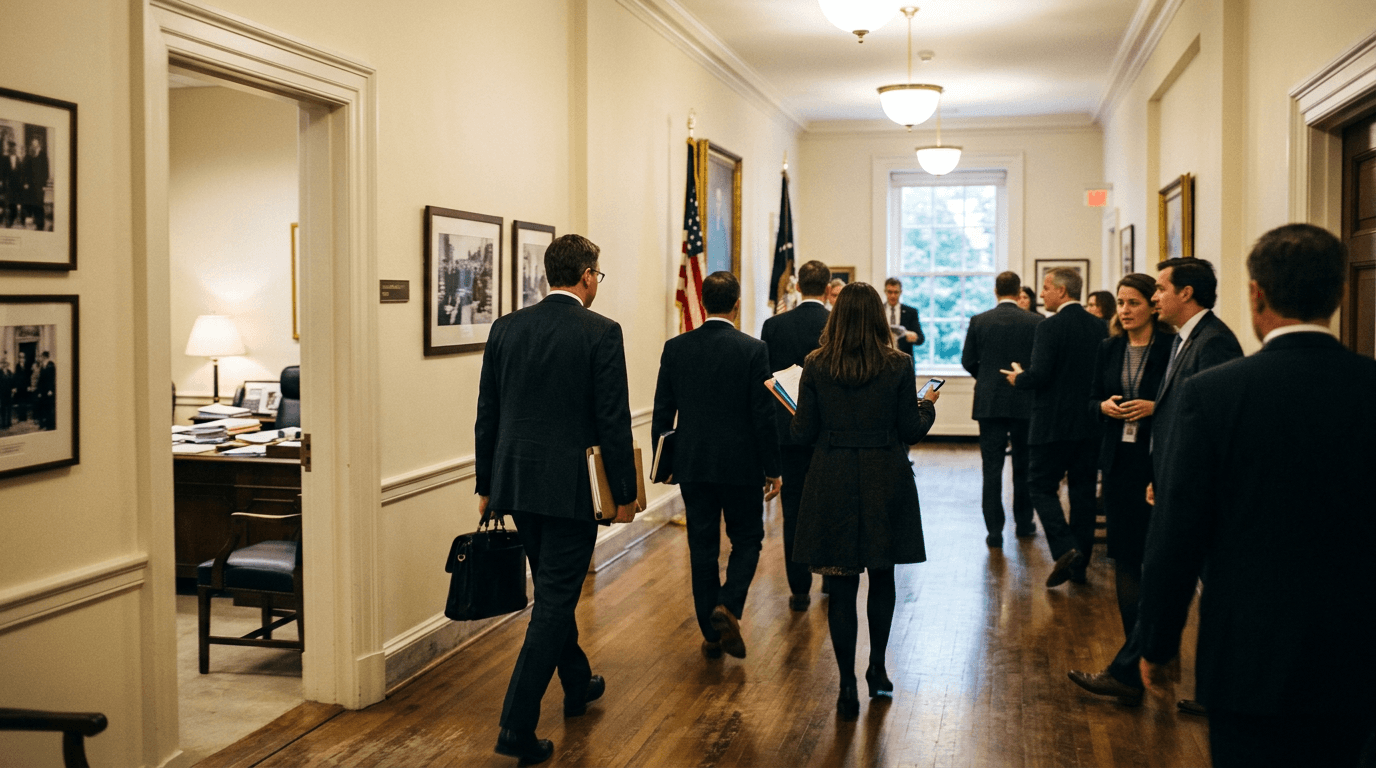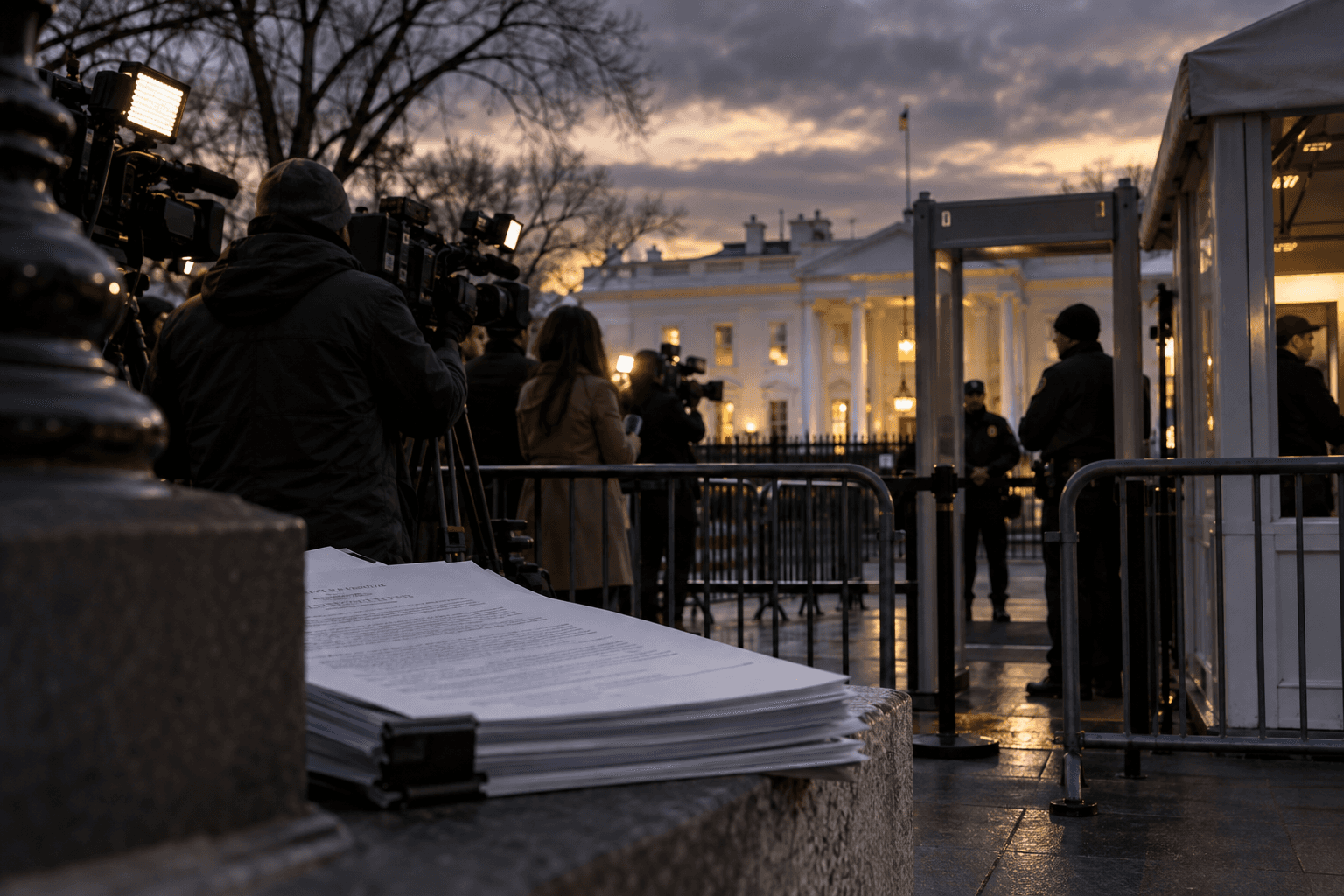
CNN, MS NOW and Politico sued President Donald Trump's administration on Monday, asking a federal court to restore access for journalists whose White House credentials were revoked over the weekend. The three organizations say the government excluded them because the president objected to their coverage, making the ban an unconstitutional form of viewpoint discrimination. Reporters from the outlets were turned away Saturday after Trump announced the restriction Friday, and their entry badges were disabled or confiscated. The case raises a direct question about whether the White House can deny access to spaces generally open to credentialed press because officials dislike an outlet's reporting.
The immediate consequences extend beyond the three newsrooms. CNN had been assigned to provide television pool coverage during Trump's trip to New York for the United Nations General Assembly, but the network was removed from that role. The major television networks declined to provide a substitute crew, leaving presidential events without the customary shared television camera. The outlets asked the court to act quickly, arguing that every day without access impairs their ability to cover the administration and limits the public's view of presidential activity.
The case was assigned to U.S. District Judge Timothy Kelly, a Trump appointee who handled CNN reporter Jim Acosta's access dispute during the president's first term. Kelly then ordered Acosta's pass restored on due-process grounds. This fight is broader in one important respect: the new ban applies to three organizations and keeps their journalists out of the White House complex, rather than limiting access only to tightly controlled spaces. Trump said Monday that he supports a free press but described the targeted outlets as a national-security threat because he considers their reporting false. The White House had not issued a formal response to the lawsuit by early Monday afternoon.
A newly opened Kalshi market put the probability of the White House announcing an end to all three bans before October 1 at about 6 percent. That price comes from a very young and lightly traded contract, so it should not be read as a legal forecast. The market also has a narrow resolution rule: an announcement covering only one or two outlets, or temporary compliance with a court order while an appeal continues, would not qualify. The distinction matters because the litigation could restore access without producing the specific White House statement the contract requires.
The next meaningful development will be the court's response to the request for emergency relief. The outlets must show that the exclusion causes immediate harm and that their constitutional claims are likely to succeed, while the administration can argue that presidents retain discretion over access and security. Any order restoring credentials, even temporarily, would reshape the practical dispute before a final judgment. Until then, the ban remains in effect, the affected reporters remain outside the gates, and the press corps must decide how far collective measures such as withholding pool coverage should continue.