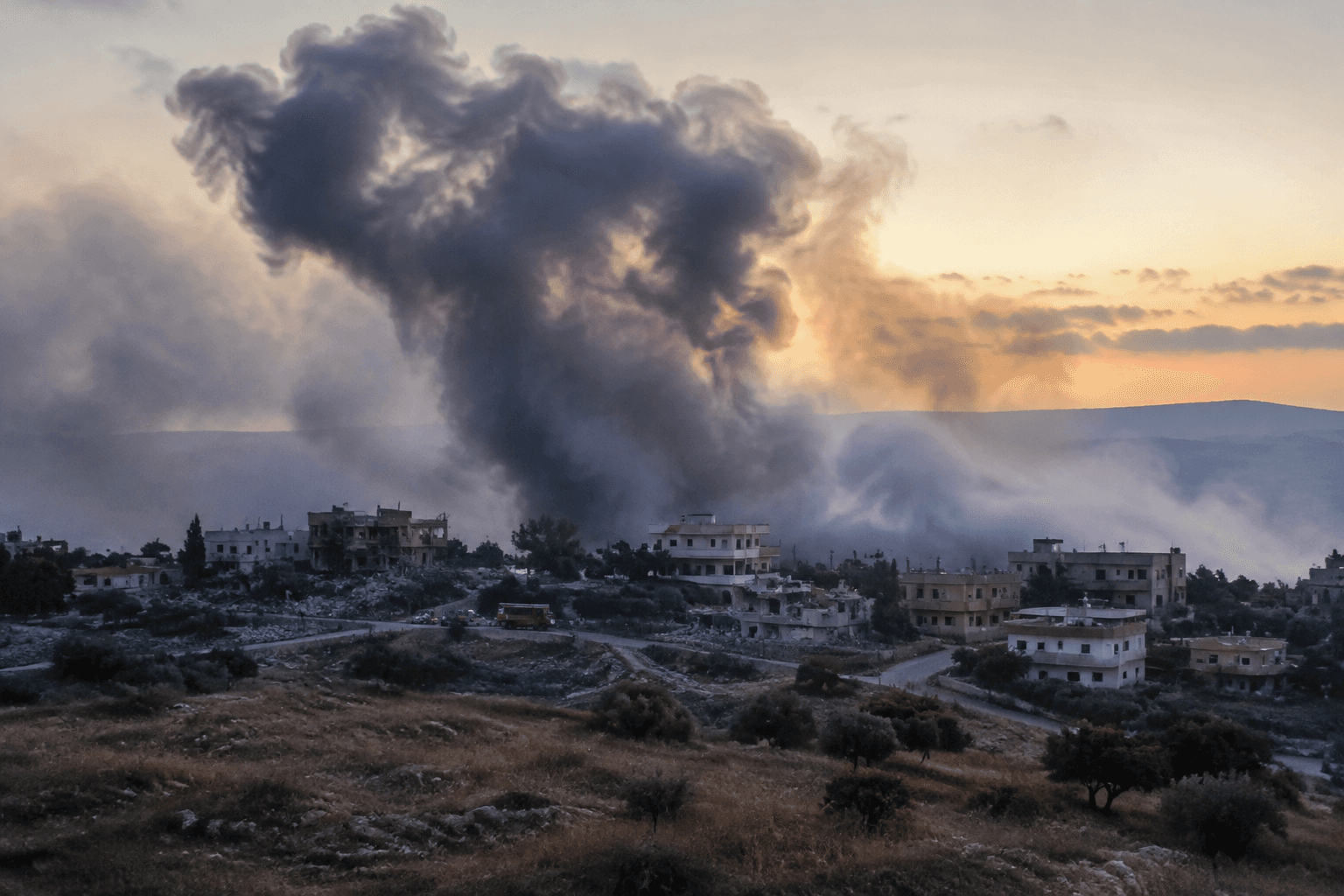
Israeli airstrikes hit the southern Lebanese village of Kfar Rumman early Monday, killing at least 12 people and widening an escalation that has continued despite a truce reached more than two months ago. Lebanon's Health Ministry said the dead included children, women and a paramedic, while other residents were wounded. One strike hit a building in the village and another hit a car. The toll made the attack one of the deadliest episodes in the area during the latest round of fighting and again exposed civilians and emergency workers to a conflict whose ceasefire arrangements have failed to stop regular violence. Residents described rescue crews searching damaged homes while families gathered at hospitals for news.
Israel's military said the strikes followed two Hezbollah drone attacks directed at Israeli troops in Lebanon and targeted a militant accused of transporting weapons into Kfar Rumman. Hezbollah did not immediately claim the drone attacks. The exchange came days after Israel said it had established operational control over the nearby Ali Taher hill, a position overlooking villages and roads leading toward Nabatiyeh. Israeli troops also reported coming under fire near Beaufort castle on Monday, with two soldiers lightly wounded, before killing the gunman. The competing accounts leave basic facts contested even as the human consequences in the village are visible. They also show how quickly one local incident can draw in air power, ground forces and armed groups operating around a densely populated area.
Polymarket's contract on Israeli military action against Lebanon on September 7 climbed about 21.8 percentage points over twenty-four hours to roughly 97 percent by Monday afternoon. The broader date-based event had drawn about $442,000 in total activity, with approximately $17,000 recorded during the latest day. Those prices are a measure of traders' assessment that qualifying action occurred; they do not verify responsibility, military necessity or the casualty count, all of which depend on official statements and independent reporting. The contract also compresses a complex escalation into a binary outcome, while the actual consequences will be measured in casualties, displacement and the durability of the truce.
The escalation is especially consequential because the truce was meant to create space for armed groups to pull back and for state authority to return to the border area. Instead, strikes in southern Lebanon have continued, and Israel says Hezbollah is rebuilding positions and threatening its forces. Lebanese officials describe the attacks as violations that undermine civilian safety and the country's sovereignty. The immediate test is whether the ceasefire's guarantors can establish what happened around Kfar Rumman and prevent retaliatory action from expanding. Attention will also turn to updated casualty figures, the status of displaced residents and whether international mediators can keep a sequence of drone attacks, airstrikes and ground incidents from becoming another sustained cross-border war. A rapid investigation and renewed contact among mediators would be the clearest signs that the latest violence can still be contained.