The next Democratic presidential field is beginning to take shape in public, but preparation is not the same as a campaign. The question is whether any of the Democrats listed in a Kalshi contract will formally announce a run before the year ends. Kalshi traders currently put that possibility at 28% as of 8:52 a.m. ET on Nov. 13. That is a measure of what traders believe, not a forecast of what will happen. The contract concerns an announcement reported by specified sources, rather than every sign that a potential contender is considering a campaign.
The near-term estimate has fallen sharply: the contract is down 26 points in the last day. It recorded 778 contracts traded over the last day, with 2,164 contracts open. Those figures show activity behind this particular market, but they do not establish why its price changed or what any potential candidate intends to do. Nor does the contract answer when the wider field will be settled; it asks whether an announcement will be reported before a specific cutoff. The sharp decline is a change in traders’ beliefs, not evidence that a candidate has ruled out a run.
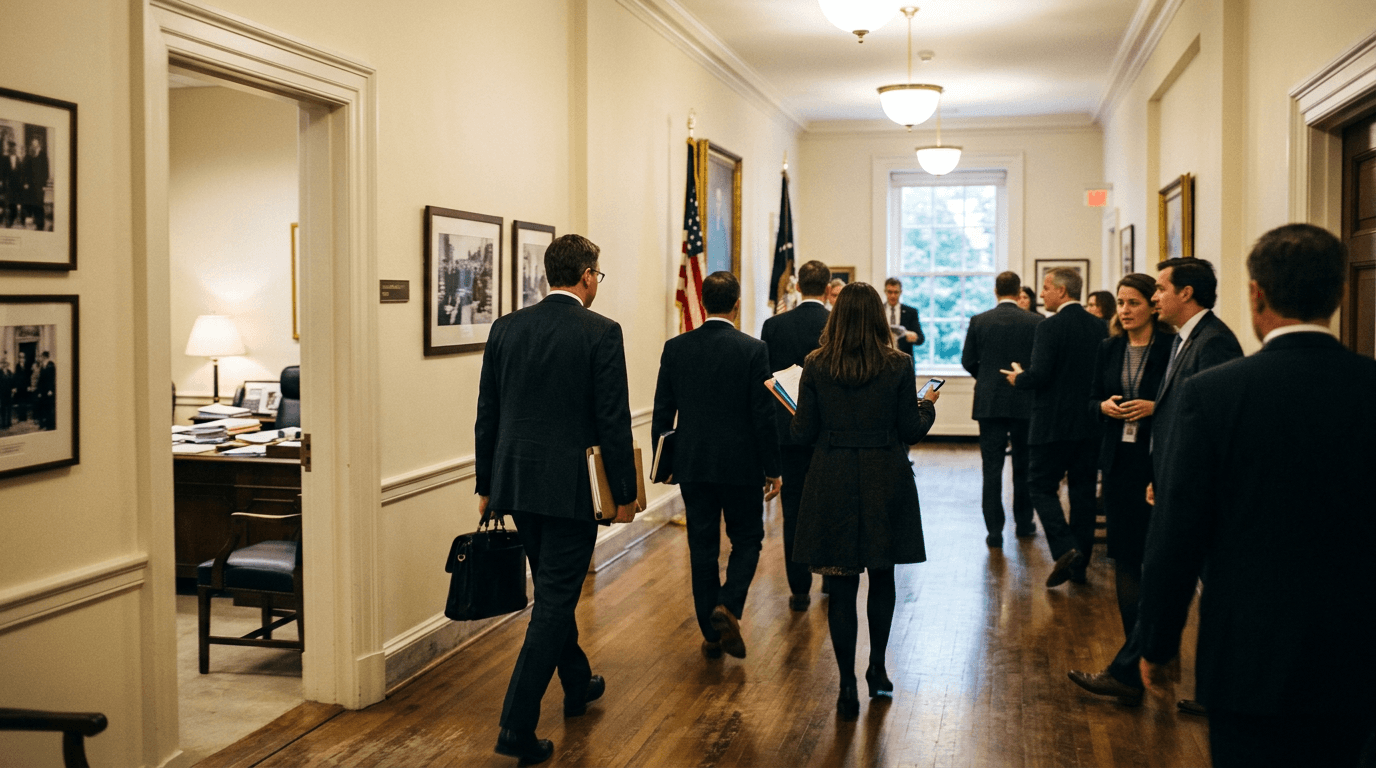
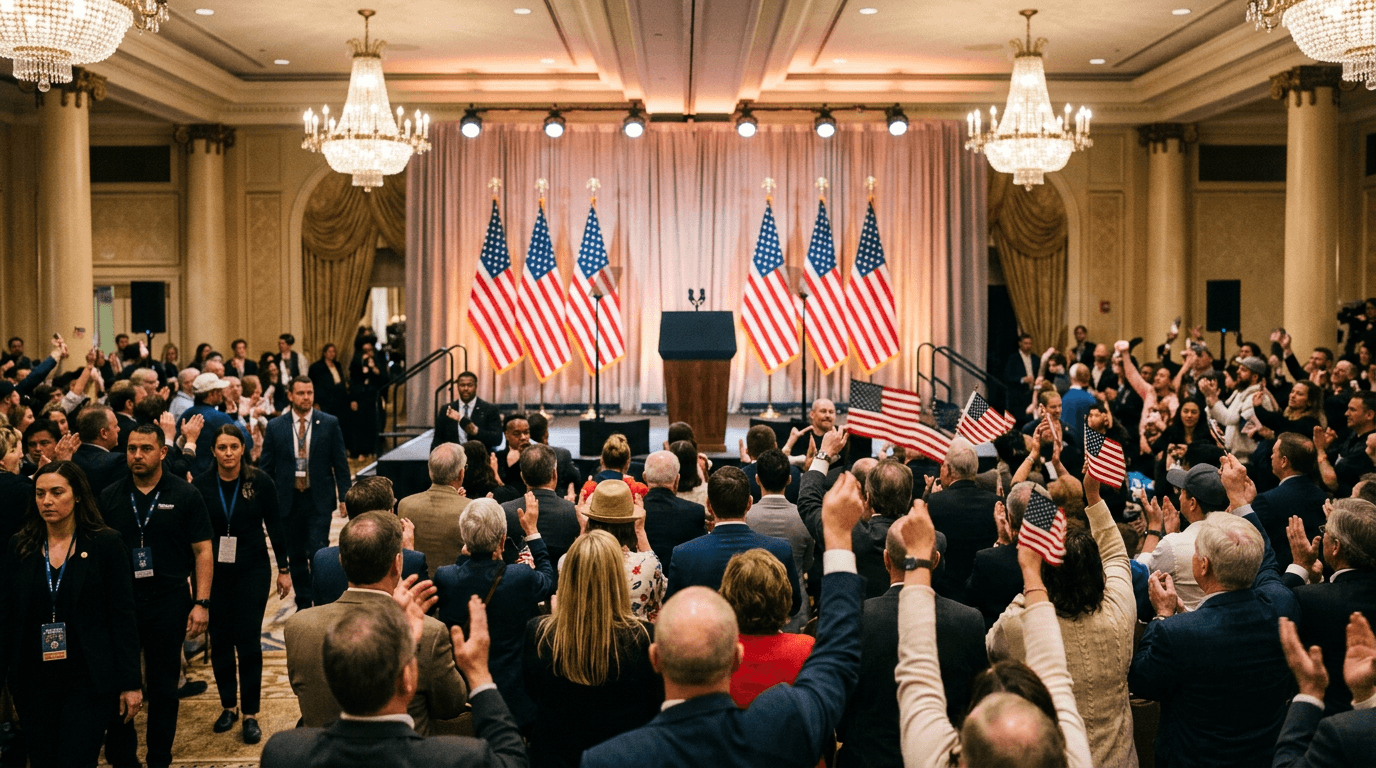
There are signs of activity short of a declared run. Reuters reported that potential candidates have been cultivating donors, visiting early-nomination states and raising their national profiles. It also reported that representatives for nine prominent potential contenders did not confirm a run. That is not proof that nobody will enter the race; it is a snapshot of what representatives would confirm at the time of the report. The distinction matters: positioning can build a campaign’s groundwork without amounting to an announcement. The reporting describes preparation, not a confirmed decision by any individual to enter the contest.
The potential pool may also be larger than the list of prominent names in the headlines. One strategist described at least 30 Democrats weighing a run, while making clear that interest does not mean they will all announce. The midterm results have sharpened attention on the next presidential contest, but they do not settle who will run—or who could win. Several prominent Democrats have not committed, including Josh Shapiro, according to the BBC report. A strong midterm performance, the BBC cautioned, does not guarantee a presidential win two years later. These points leave room for both possibilities: a campaign could emerge from the activity already under way, or potential contenders could remain on the sidelines.
The market’s timeline makes its uncertainty visible, but prices for later cutoffs should not be read as equally well-supported: several had no contracts traded over the last day and little or no open interest. The near-term contract is also not a survey of the entire party or evidence that a particular contender has decided to run. For readers, the useful distinction is between a party’s growing attention to the next contest and the formal act of entering it. Donor cultivation and travel can continue without a declaration; a price drop cannot tell us which way any candidate will move. Until someone makes an explicit announcement, the first entrant remains uncertain.