A new American effort to reopen Russia-Ukraine negotiations is colliding with renewed violence after a brief pause around a weekend diplomatic visit. U.S. envoys Steve Witkoff and Jared Kushner met Russian President Vladimir Putin in Moscow and then Ukrainian President Volodymyr Zelenskyy in Kyiv, carrying proposals that Zelenskyy described as worthwhile but not ready for public release. He said he hopes to meet President Donald Trump around September 20, when world leaders gather in New York, and wants September and October used to restart a formal negotiating process before winter deepens the pressure on civilians and infrastructure. The meetings are the first sustained shuttle effort of this phase, but both capitals continue to define peace on sharply different terms.
The emerging approach has two tracks. Zelenskyy said Washington is exploring steps that could reduce winter escalation while broader talks resume, including possible understandings involving energy facilities, electricity systems, grain shipments and oil and gas exports. He said the U.S. team is expected to brief Trump and continue consultations with Ukraine and European governments. The envoys' meetings did not produce a breakthrough, and Kyiv remains skeptical that Moscow is prepared to compromise. Still, the separate visits created a channel for discussing narrower measures that might protect critical systems while the larger territorial and security disputes remain unresolved. Ukraine is also seeking more air-defense support and economic help to withstand another season of pressure on its power network.
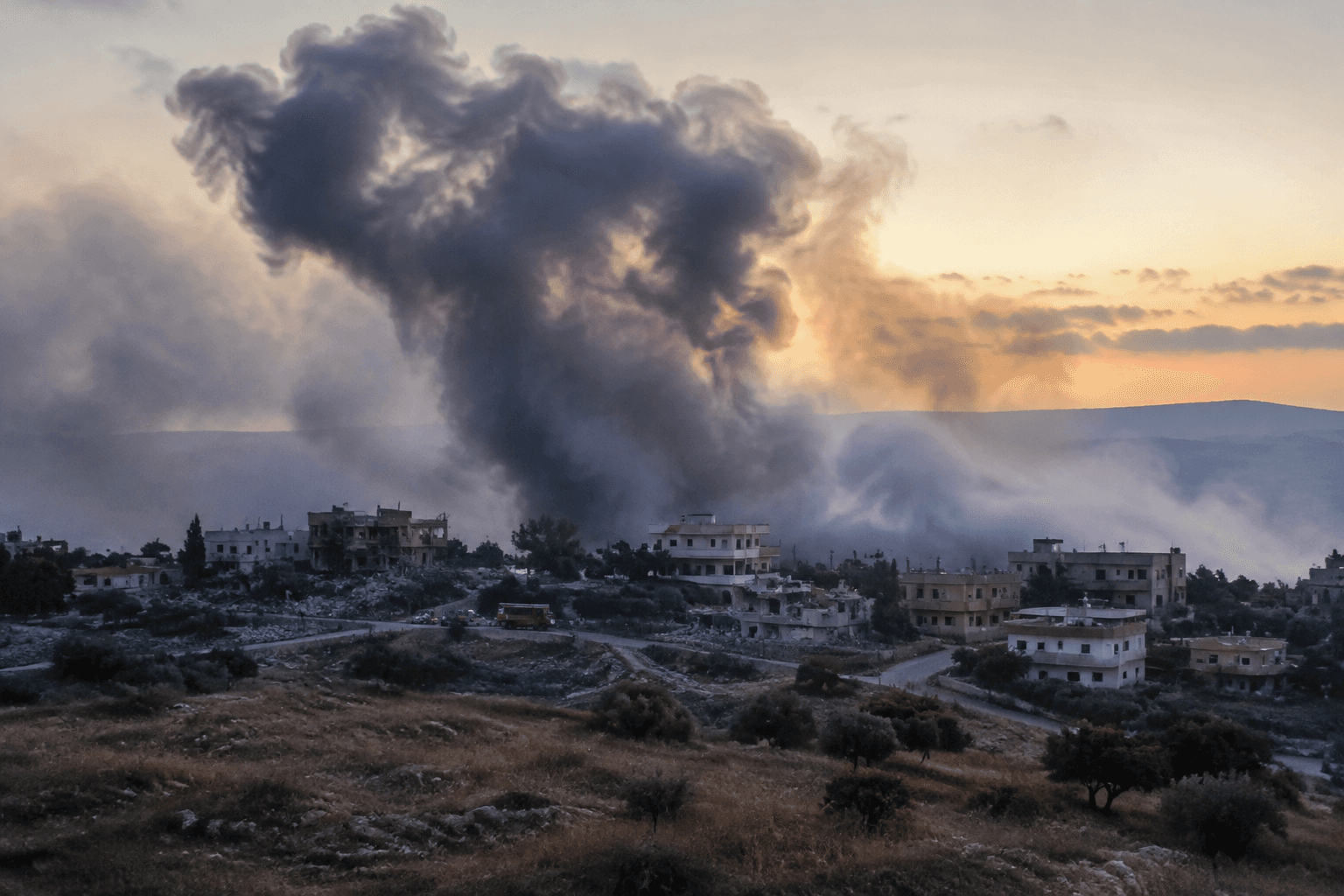
Events on Tuesday underscored that gap. The Irish Times reported that Russia and Ukraine resumed their air war after a weekend pause in attacks on their capitals. Strikes killed seven people and injured 28 in Kyiv and the surrounding region, while Russian officials reported three deaths and 13 injuries in areas under Moscow's control. Putin told Trump that Russia does not intend aggression against Europe, according to the Kremlin, but Russian officials also said Moscow remains committed to achieving its military goals. Zelenskyy, meanwhile, said battlefield actions still contradict claims of a willingness to compromise. The sequence left the diplomatic opening intact while demonstrating that neither side has accepted even a broader pause in hostilities.
Prediction markets continue to price a 2026 settlement as possible but unlikely. A Polymarket contract on a Russia-Ukraine ceasefire agreement by December 31 traded near 23%, up about four percentage points over the past week, while longer-dated contracts assigned higher chances to a deal in 2027. Those prices reflect uncertainty rather than diplomatic progress already secured. The next concrete tests are the U.S. team's briefing to Trump, the proposed Trump-Zelenskyy meeting and whether the parties move toward another trilateral session. Any agreement on energy or civilian infrastructure would be an early signal that narrow confidence-building measures can survive battlefield pressure. Continued attacks, or a failure to convene follow-up talks, would show that the new channel has not altered the war's immediate course.