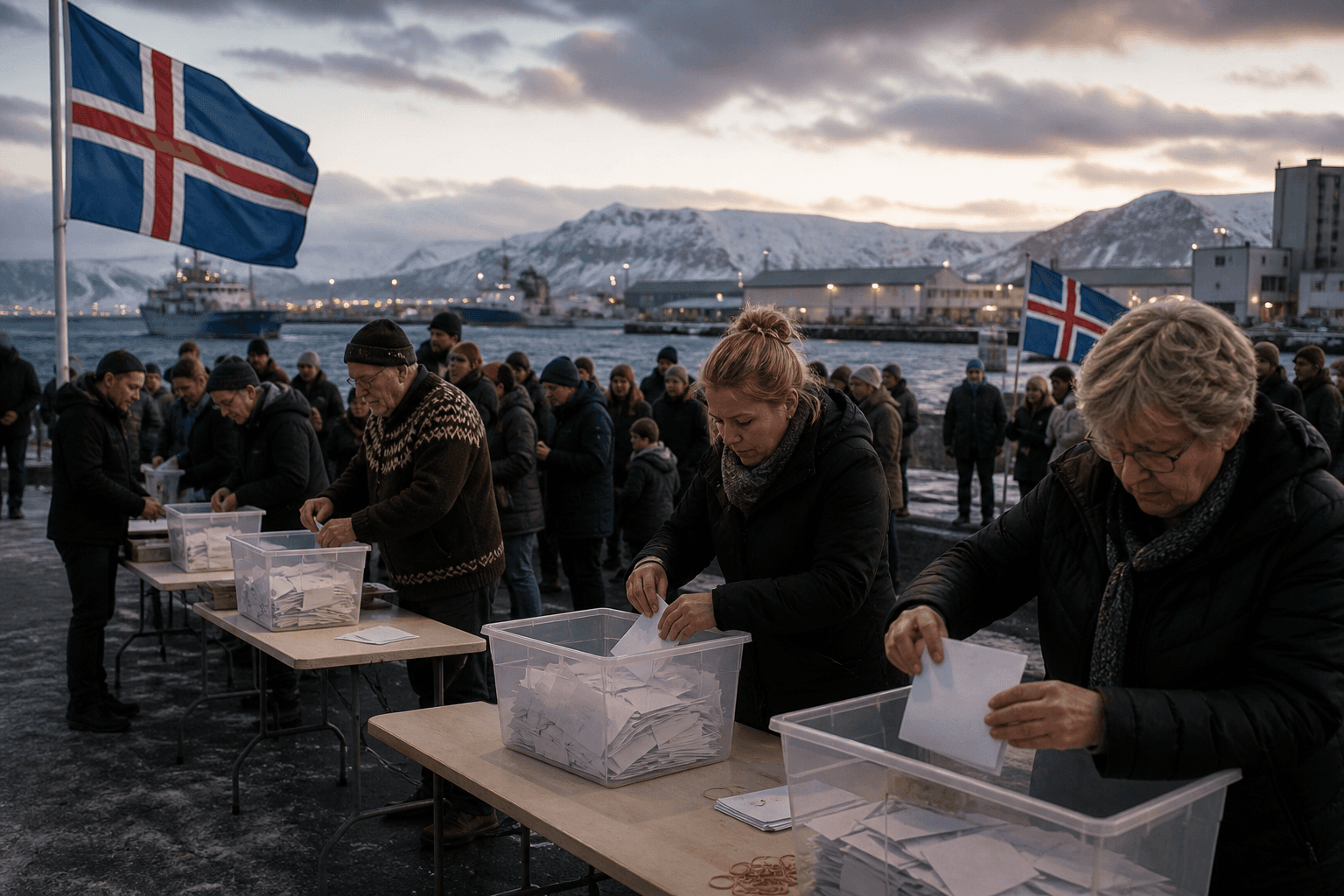
Iceland's long argument over Europe did not end with a dramatic lurch toward Brussels. It ended with voters deciding that renewed negotiations were a bridge too far, even after a year in which security fears, trade anxieties and inflation pressures pushed the question back into the center of public life. The referendum mattered because it was not about joining the European Union tomorrow. It was about whether Icelanders were willing to reopen a national conversation that had been shelved for more than a decade. By voting no, they signaled that the country still prefers the familiar balance it already has: close economic integration with Europe, but without the political and fisheries compromises that full accession talks would inevitably force back onto the table.
That result is a setback for Prime Minister Kristrun Frostadottir and for the pro-European camp, which argued that Iceland should not keep navigating a more dangerous North Atlantic alone while remaining a rule taker on many European standards. Associated Press reporting before and after the vote showed how supporters tried to tie the referendum to currency stability, lower borrowing costs and a rougher geopolitical environment shaped in part by Donald Trump's rhetoric around Greenland. RUV's overnight coverage showed the other side of that debate winning out. Rural voters and the fishing industry again treated control over natural resources as the red line, and the final margin made clear that sovereignty remains more persuasive than the promise of a reopened negotiating process.
Prediction markets captured that late hardening. On Polymarket's visible Breaking board on August thirtieth, the referendum card had collapsed to essentially no chance of passage after the count turned against the yes camp, a sharp reversal from the tighter expectations that had surrounded the vote earlier in the week. That move did not create the political outcome, but it reflected how quickly traders reset once the overnight tally and regional split pointed to a durable defeat rather than a suspenseful recount fight.
What comes next is less theatrical but still important. Iceland is not suddenly turning away from Europe; it remains deeply tied to the single market through existing arrangements, and no serious government can ignore the strategic pull of the Arctic or the pressure that a small independent currency places on households and businesses. But the vote means any path back to full accession has become politically harder, not easier. Frostadottir can still argue that the referendum succeeded in forcing a national reckoning about Iceland's place in the world, yet she now has to govern with the answer voters actually gave. For the European Union, the message is equally blunt. Even in a moment when enlargement has fresh strategic logic, old questions about sovereignty, identity and who controls the fishing waters still have the power to stop the process before it truly starts.