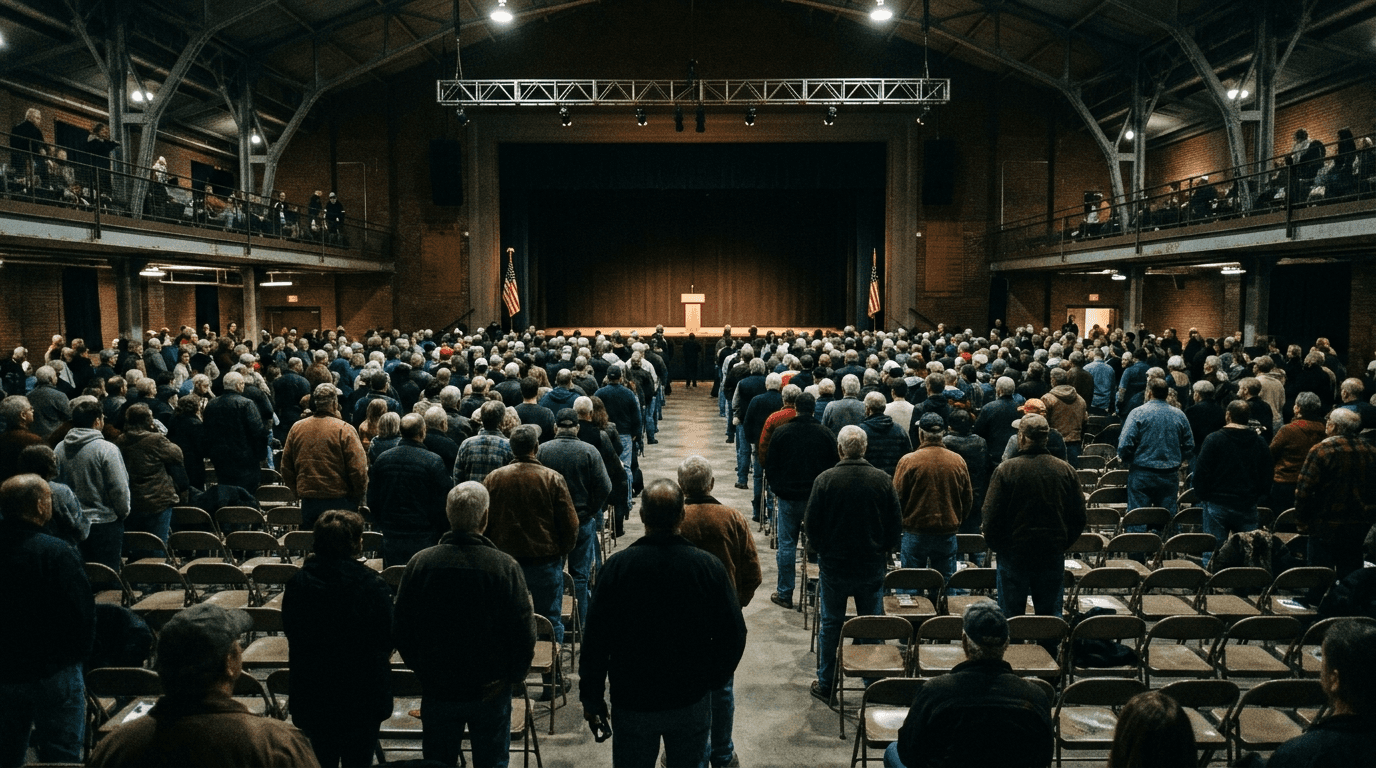
Iowa is expected to hold the first caucuses on the Republican presidential calendar, putting the state early in the contest to choose the party’s next nominee. But an early place on the calendar is not an early answer to who will win. Reporting on the coming campaign describes a field that has yet to take shape, with many potential contenders still keeping their plans private. The available contract-level market data does not price the Iowa caucus winner.
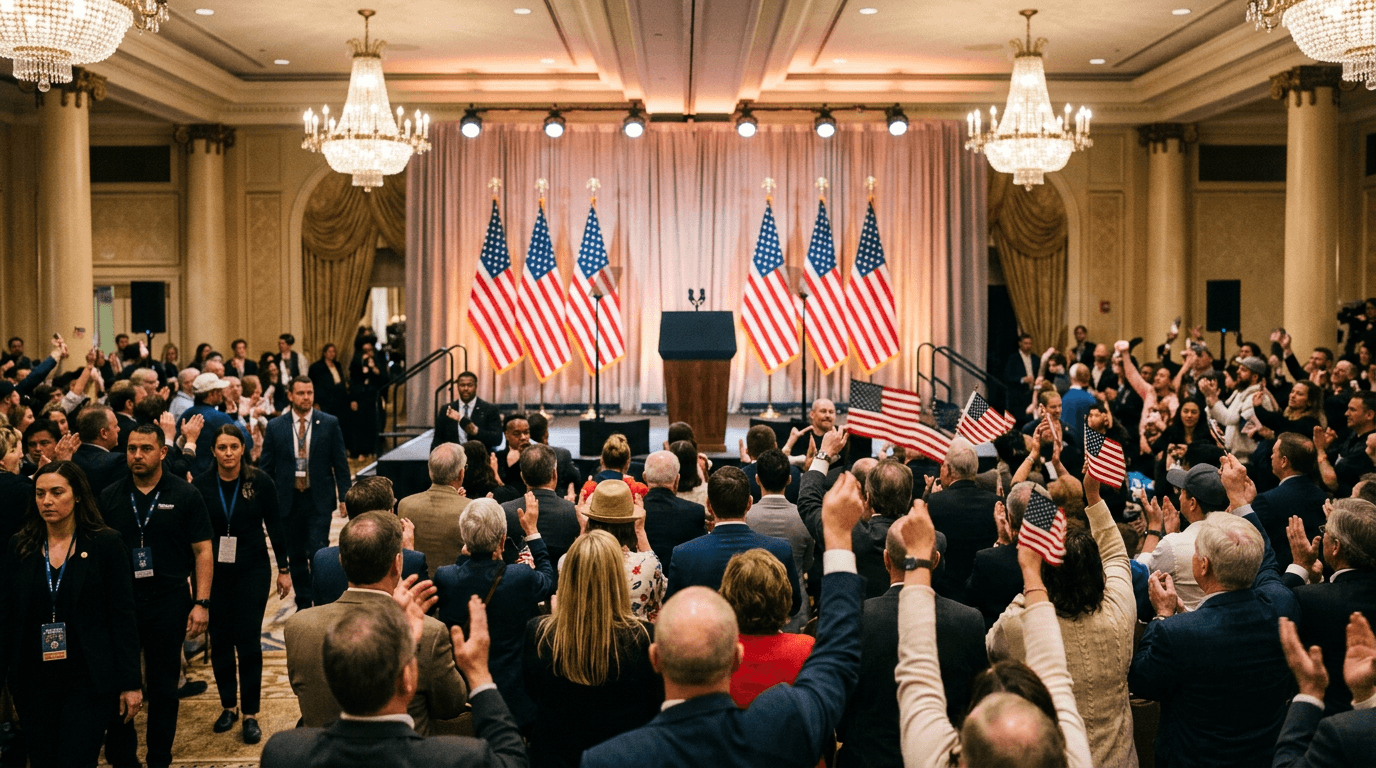
J.D. Vance is widely expected to run and has appeared at rallies in Iowa, according to the reporting. Those visits make him a visible potential contender, not a declared candidate or a demonstrated favorite among caucusgoers. The same report says many Republicans have not made their plans public and that the field could be broad. That uncertainty matters: early attention can help introduce a candidate to voters, but the information here does not show how Iowa Republicans will respond or how a crowded contest might unfold. The reporting identifies activity, not voter preferences or a settled lineup.
The supplied Kalshi contracts do not answer the Iowa question. They ask whether candidates will win Republican contests in other states, including South Carolina; they are not contracts on the Iowa caucus winner. For the South Carolina contract naming Vance, Kalshi showed 38% as of 10:03 a.m. ET on Nov. 8, but the contract recorded 0 contracts traded over the last day and 0 contracts open. That is not a basis for treating its displayed probability as a well-supported signal about Iowa. The packet provides no Iowa contract-level prices or market identifiers, so it cannot establish whether an Iowa market has an active, tradable price or meaningful liquidity. A price attached to a different state’s contest cannot by itself resolve the distinct question of who will win in Iowa.
The reporting places Iowa campaigning in a broader early-campaign sequence: candidates are expected to campaign there before traveling to New Hampshire, Nevada and South Carolina. It also notes that Ted Cruz, who won the Iowa caucuses in 2016, has repeatedly visited the state during the past year. Such appearances show that politicians are paying attention to Iowa; they do not settle who will enter the race, when the caucus will happen, or which candidate can turn visits into support. The available evidence is about preparation and possibility, not a contest with a clear front-runner. Nor does a history of visits establish how voters will judge the candidates when the field is known.
For readers trying to understand the next Republican presidential race, Iowa’s early role is meaningful, but the winner remains an open question. Vance’s appearances are one point to watch, not a verdict, and other potential contenders may still emerge. Until the field becomes clearer—and until a usable Iowa market price is available—there is little here for a prediction market to add to what the reporting already says: the campaign is starting, but the choice is not yet defined. The distinction is important: activity in the state can indicate that candidates are preparing, while the eventual outcome depends on a contest whose participants and support are not established in this reporting.