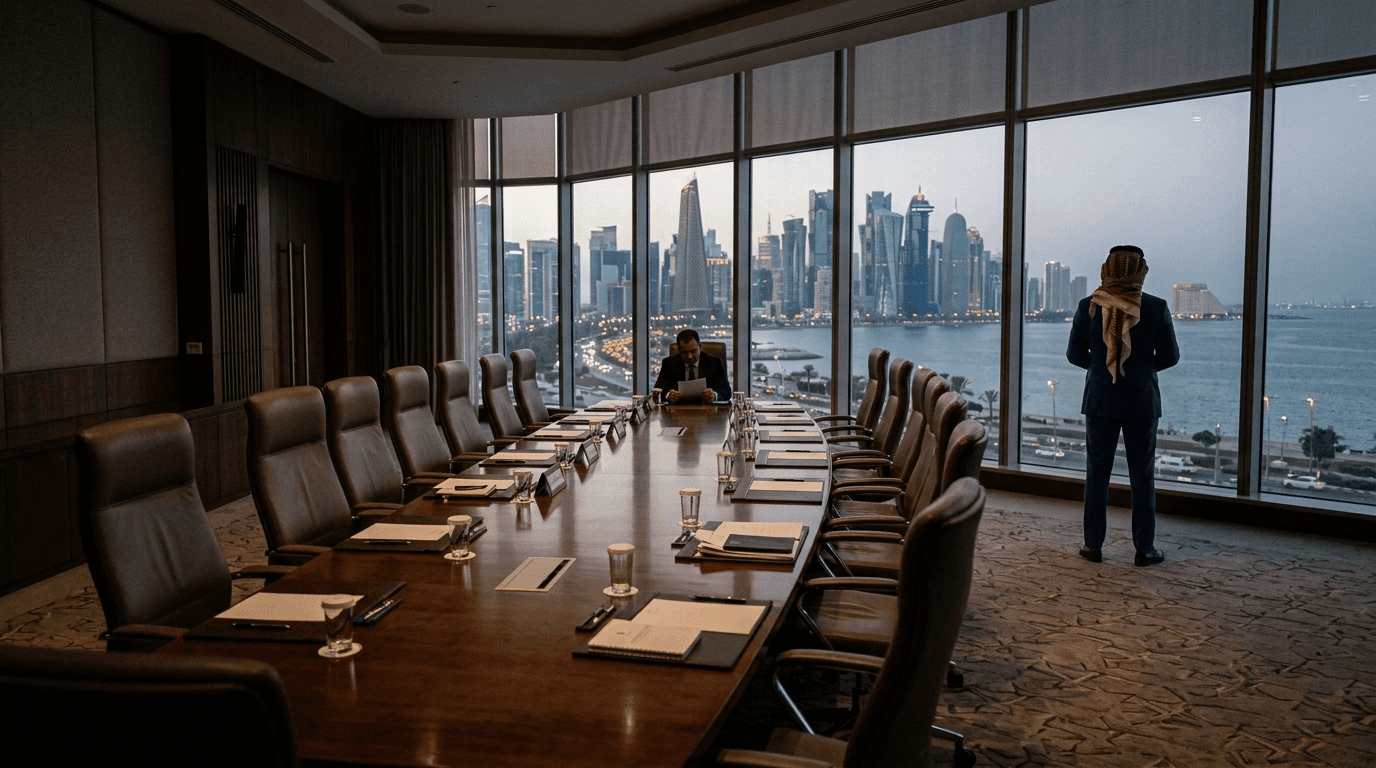
The question of who might attend another round of US-Iran talks rests on a more basic uncertainty: whether a meeting will happen at all. The latest reporting in this packet describes the two countries as being in an active war and says any talks would require approval from Iran’s Supreme National Security Council and Supreme Leader Mojtaba Khamenei. It does not confirm that a new round has been agreed or scheduled. That leaves the market’s attendee list as a measure of trader belief, not evidence of a diplomatic plan.
On Polymarket, Steve Witkoff is priced at 34% and Jared Kushner at 33%, the two highest readings among the listed US figures. The prices were recorded as of 4:47 p.m. ET on Oct. 17. But the market is thin: it shows $75 in trading over the last day for Witkoff and $70 in trading over the last day for Kushner over the last day. Those small amounts of trading offer limited grounds for treating the prices as a robust signal. They show where this market currently places its bets, not what either government has decided.
The other listed figures are priced lower, though the distinctions are modest. Abbas Araghchi is at 29%, Nick Stewart at 25%, and Mohammed bin Abdulrahman Al Thani and Kazem Gharibabadi each at 24% and 24%. Mohammad Bagher Ghalibaf is at 22%, while Pete Hegseth is at 5%. These are separate possibilities, not a division of one fixed delegation: the contracts do not establish that only one person could attend, or that a meeting will take place. Several have little trading behind them, and two list no trading on record. The market’s ranking is therefore not a reliable guide to the shape of any future negotiating team.
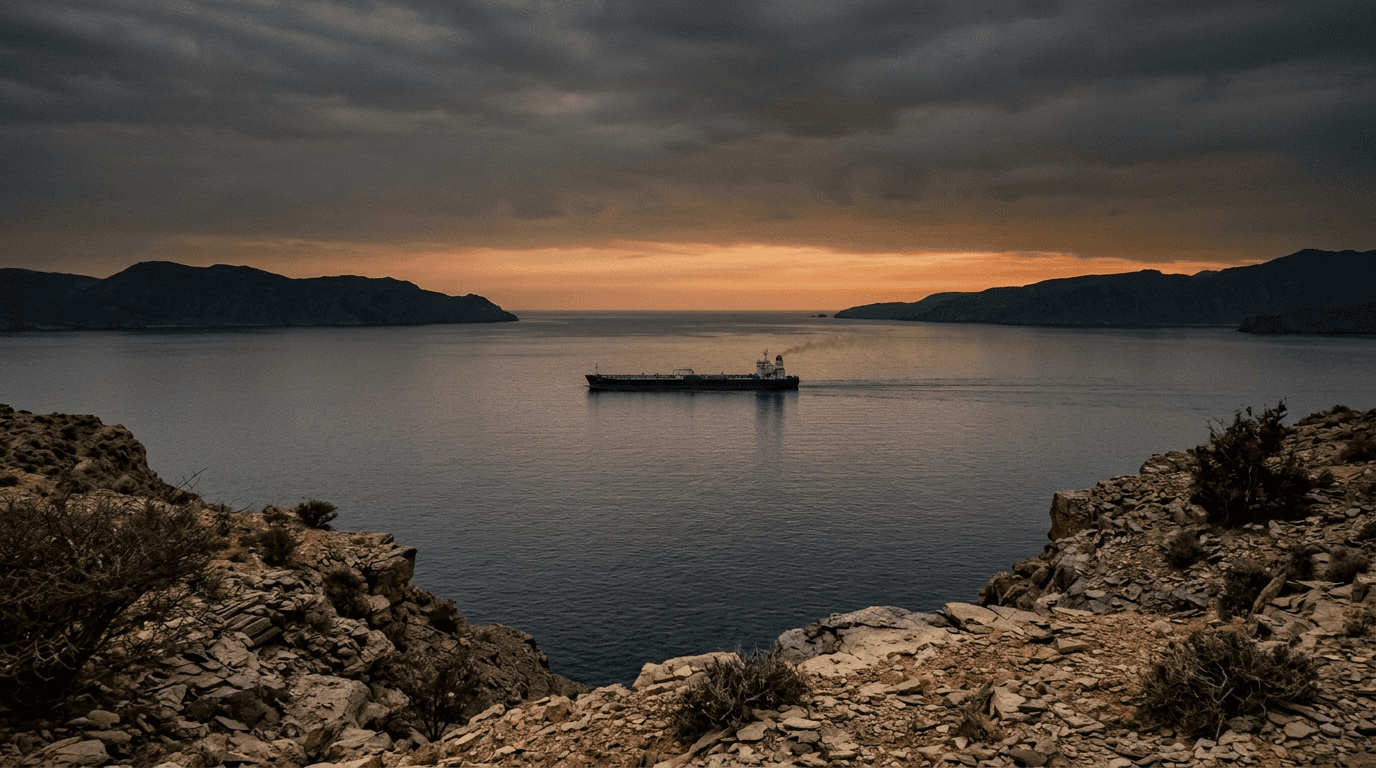
The political conditions in the reporting point to why the uncertainty is real. GlobalSecurity said Iranian lawmakers were discussing impeachment proceedings against Foreign Minister Araghchi over negotiations. It also said talks require approval from senior Iranian authorities. That is evidence of domestic pressure and a formal approval hurdle, not proof that diplomacy has stopped or that Araghchi would be excluded. The same update describes diplomacy against the backdrop of war, while reporting that commercial shipping remains in danger around the Strait of Hormuz even as vessels continue to cross. The stakes extend beyond a roster of officials: renewed diplomacy could matter to regional security and shipping, but the packet does not establish that it is imminent.
The market’s clearest message may be how little it can settle. Its leading prices are close together, trading is sparse, and the source reporting leaves open whether another meeting will be arranged, what form it might take, and who would be authorized to attend. A diplomatic channel remains possible; past participation or current prices cannot confirm a future delegation. Until either government confirms a new round, the attendee question is conditional. The immediate uncertainty is whether there will be talks to attend at all.