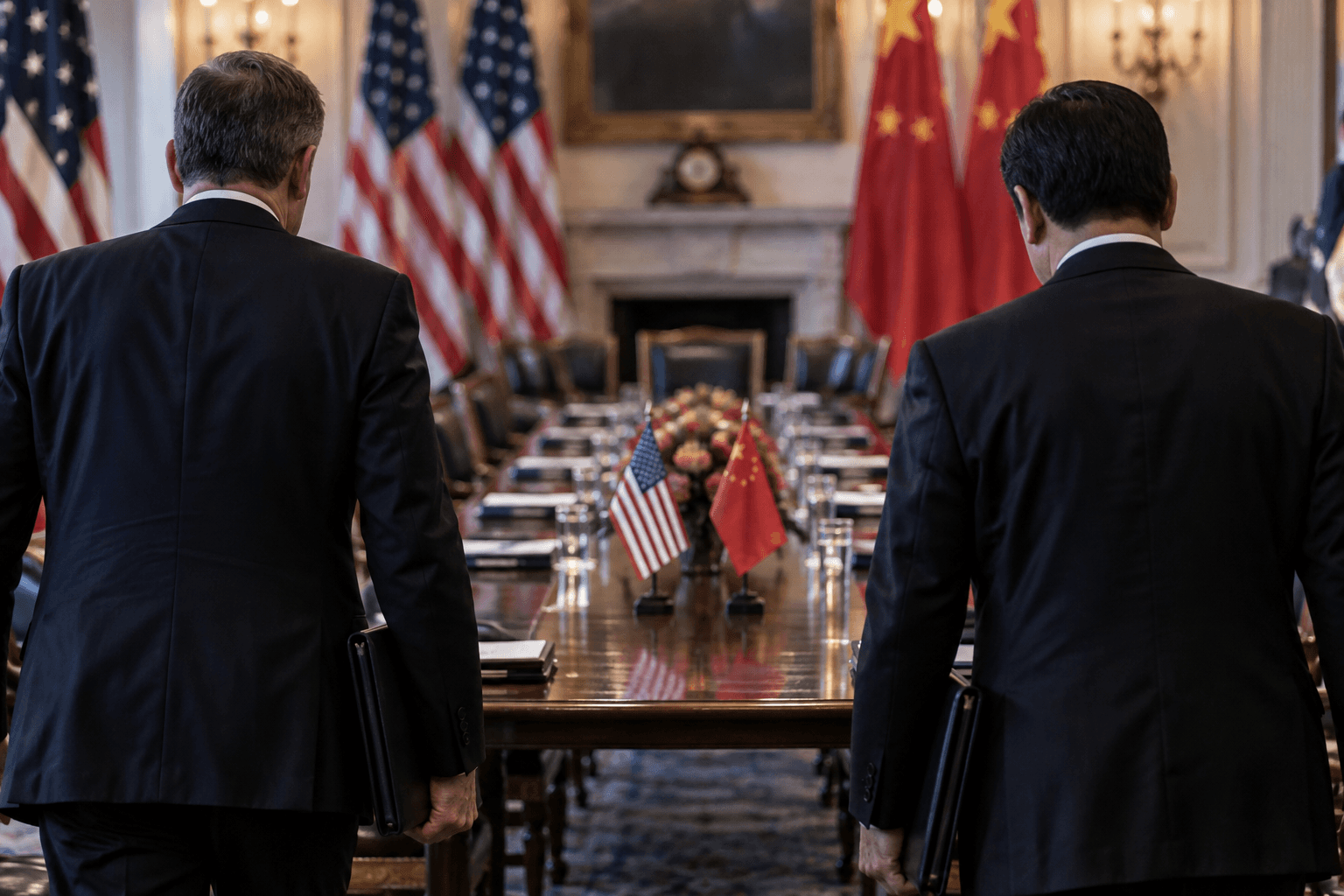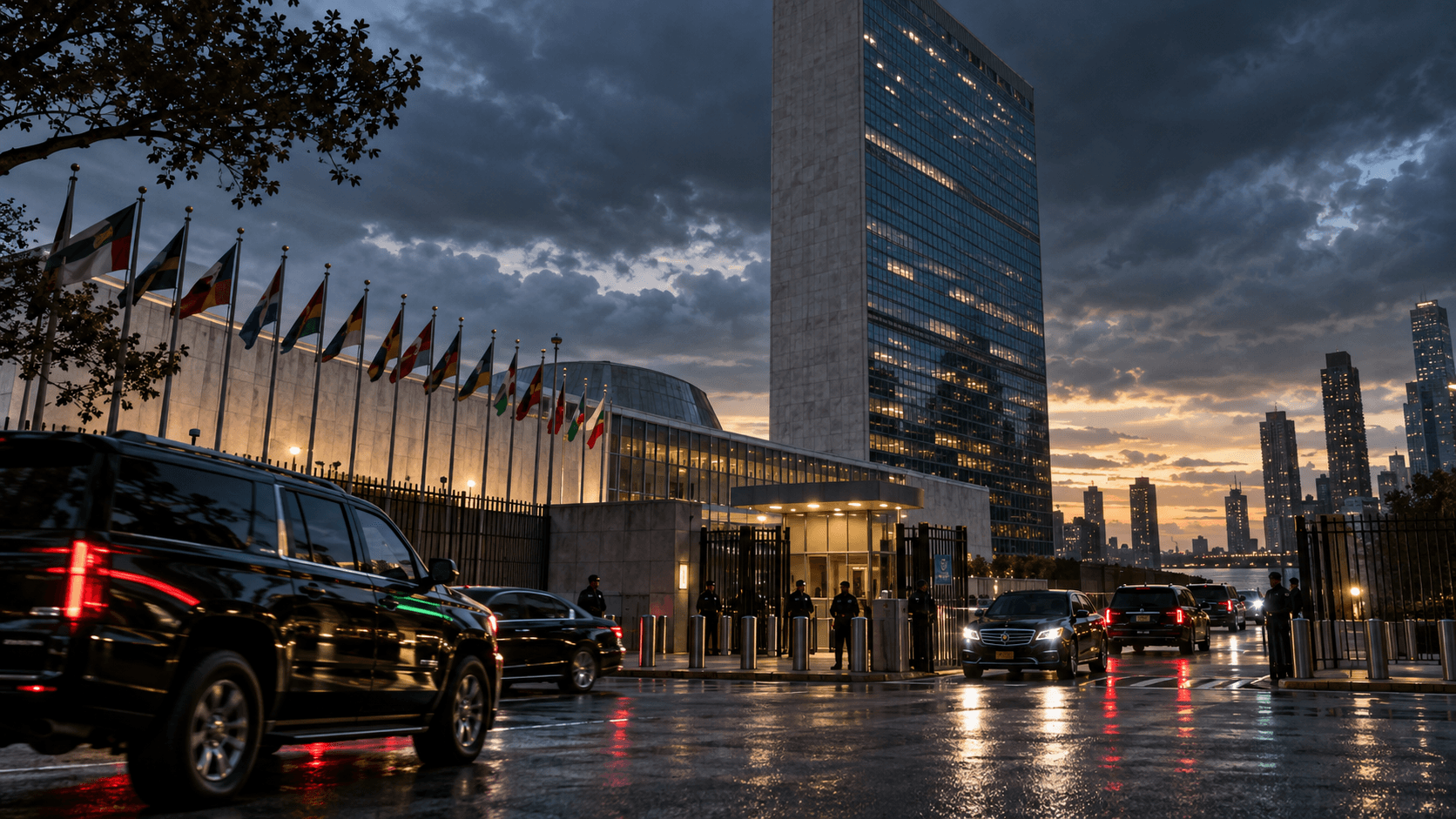
Iran’s foreign minister arrived in New York for the United Nations General Assembly as President Donald Trump prepared for talks with Gulf leaders on the next phase of the conflict, creating the week’s clearest opening for diplomacy without producing a formal negotiating framework. Iranian President Masoud Pezeshkian is also attending the gathering. No direct meeting with Trump had been announced Tuesday morning, but placing senior officials from both sides in the same city gives intermediaries a chance to test whether either government is prepared to narrow its demands. Even indirect contact could reveal whether the public positions leave room for a limited first step.
Trump entered the General Assembly near the seven-month mark of the war and with military and economic pressure still shaping his choices. Reuters reported that his schedule includes meetings with leaders from four continents while the unstable Middle East dominates the gathering. CBS News reported that Trump said he was in “deciding mode†over whether to pursue another agreement, intensify economic pressure or order further military action. U.S. officials continue to insist that Iran cannot obtain a nuclear weapon, while Tehran has demanded security guarantees and relief from sanctions as part of any durable settlement.
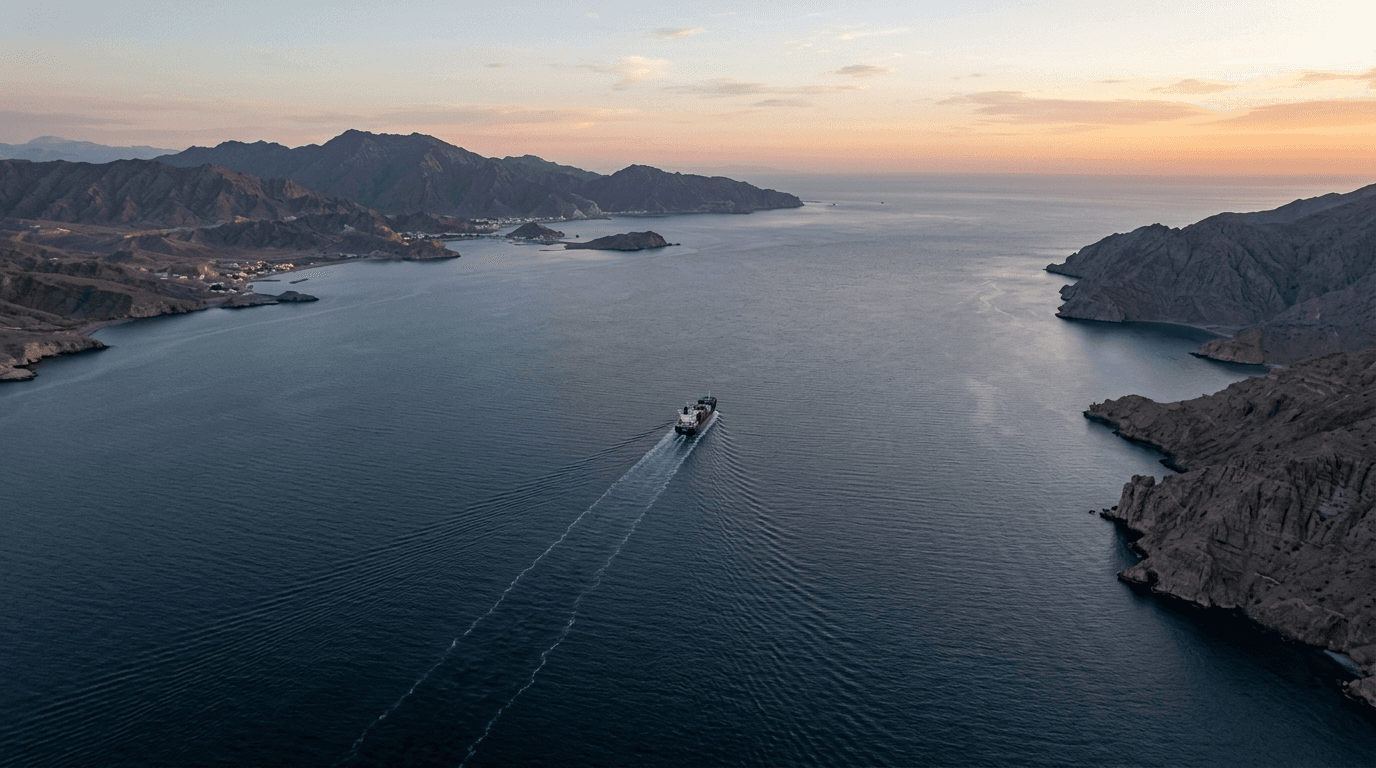
The Gulf states have a direct stake in whether the New York contacts lead anywhere. Recent attacks on Saudi territory and infrastructure have widened the war’s economic cost, while disruption to shipping and energy facilities has kept pressure on oil prices. Trump is expected to discuss Iran with leaders from Bahrain, Kuwait, Oman, Qatar, Saudi Arabia and the United Arab Emirates. Iran’s delegation, meanwhile, can use meetings with European and regional officials to clarify whether it will accept renewed inspections, limits on nuclear activity or an interim arrangement that reduces the chance of another U.S. strike.
Kalshi’s agreement event shows how little confidence remains in a quick comprehensive accord. The outcome for a deal before the start of next year traded near ten percent, while the chance of an agreement before the start of twenty twenty-eight was about twenty-eight percent. A longer deadline extending to the final days of Trump’s term stood near thirty-seven percent. Those prices distinguish a temporary pause in fighting from the much harder task of reaching a nuclear agreement with verifiable obligations.
The meaningful signals will come after the speeches. A direct or mediated meeting, a written timetable for talks, restored access for inspectors or a limited sanctions-for-restraint exchange would indicate that the diplomatic opening is real. Another round of threats without a process would leave the ceasefire exposed to a single military decision. New York offers proximity and political theater; the test is whether officials convert either into specific commitments that can survive after the delegations go home.