Iran reported a peaceful night with no new US strikes on July 25, marking an apparent break from nearly two weeks of consecutive US bombing campaigns. The lull in attacks comes as both sides confirm they are engaged in talks, with President Trump saying Tehran is getting more serious about a deal.
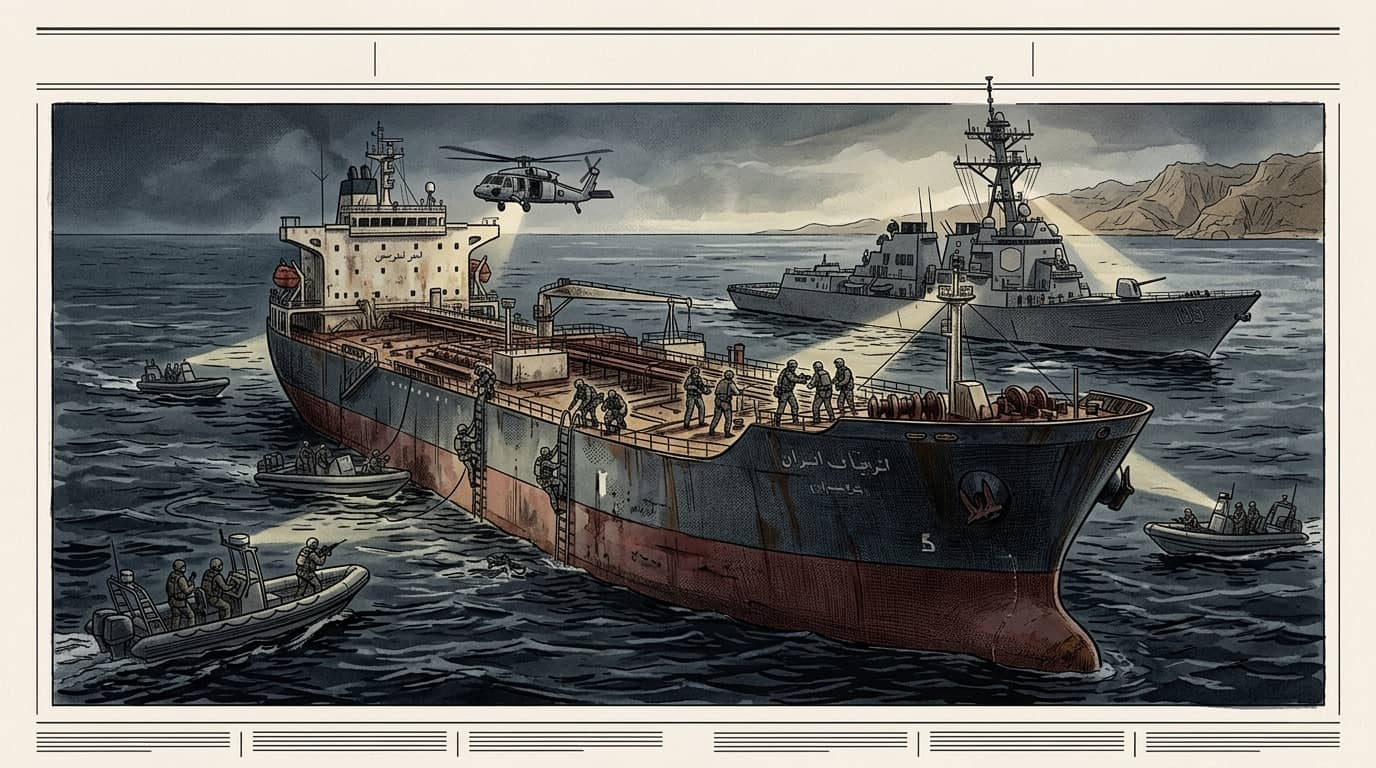
The broader US-Iran ceasefire collapsed on July 8 when President Trump declared it over from the NATO summit in Ankara, after Iran struck three commercial vessels in the Strait of Hormuz and US Central Command launched strikes on more than 80 targets in Iran. The original June 17 Islamabad Memorandum of Understanding had set up a 14-point framework including a 60-day negotiation window, but Israeli officials said the agreement did not bind them.
Despite the collapse of the US-Iran truce, the bilateral ceasefire between Israel and Iran appears to remain in effect. No direct reporting has found any Israel-to-Iran or Iran-to-Israel military strike since the June MOU was signed. Israel continues separate operations against Hezbollah in Lebanon, but has not directly engaged Iranian territory during the recent escalation.
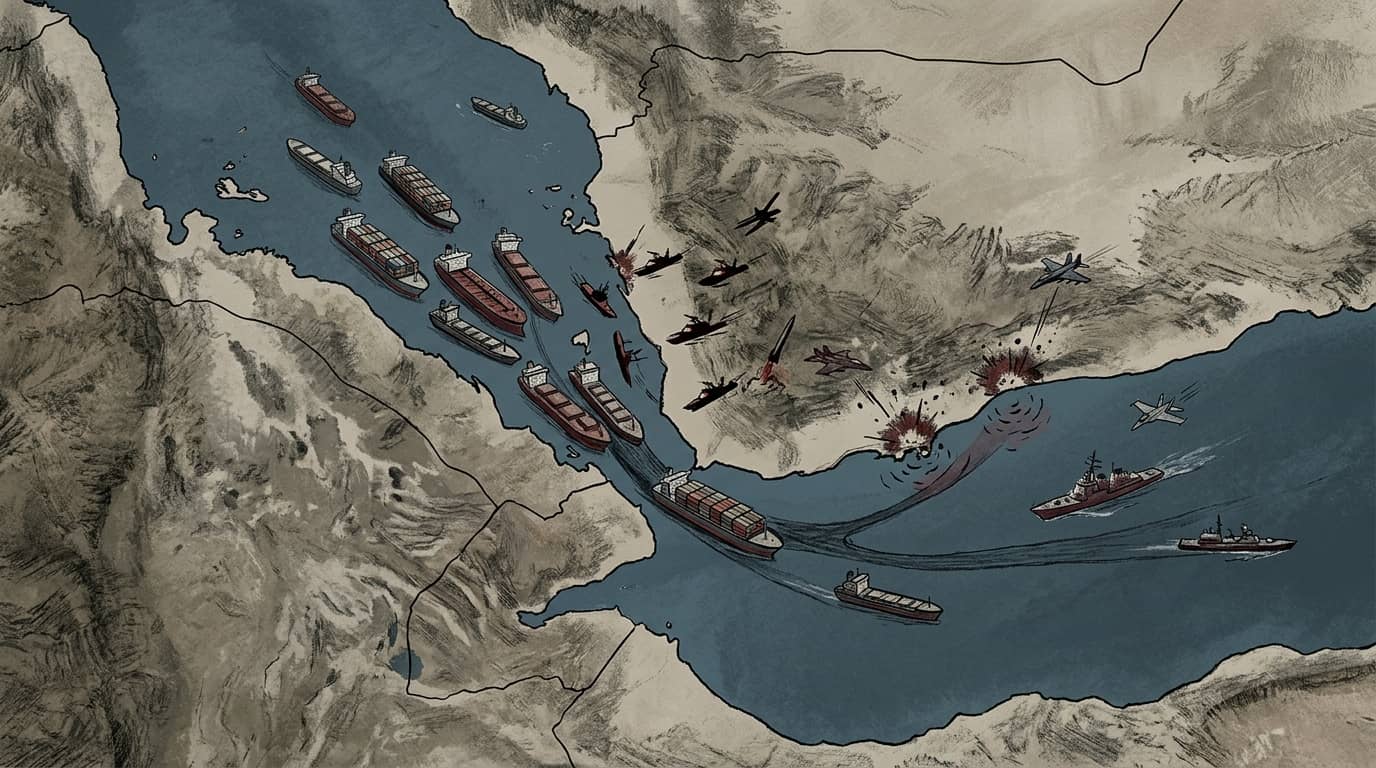
Iran's Foreign Minister Abbas Araghchi said on July 25 that the US violated the June MOU by trying to force open a new route through the Strait of Hormuz, insisting Iran has the right to set transit routes under the agreement. Trump confirmed that talks are ongoing, though he has not decided whether to launch major new strikes.
The key question now is whether any direct military action between Israel and Iran occurs before the July 26 deadline. Any reported airstrike or missile strike between the two countries would break the ceasefire. The absence of such action and continued diplomatic signals could keep the bilateral truce in place.