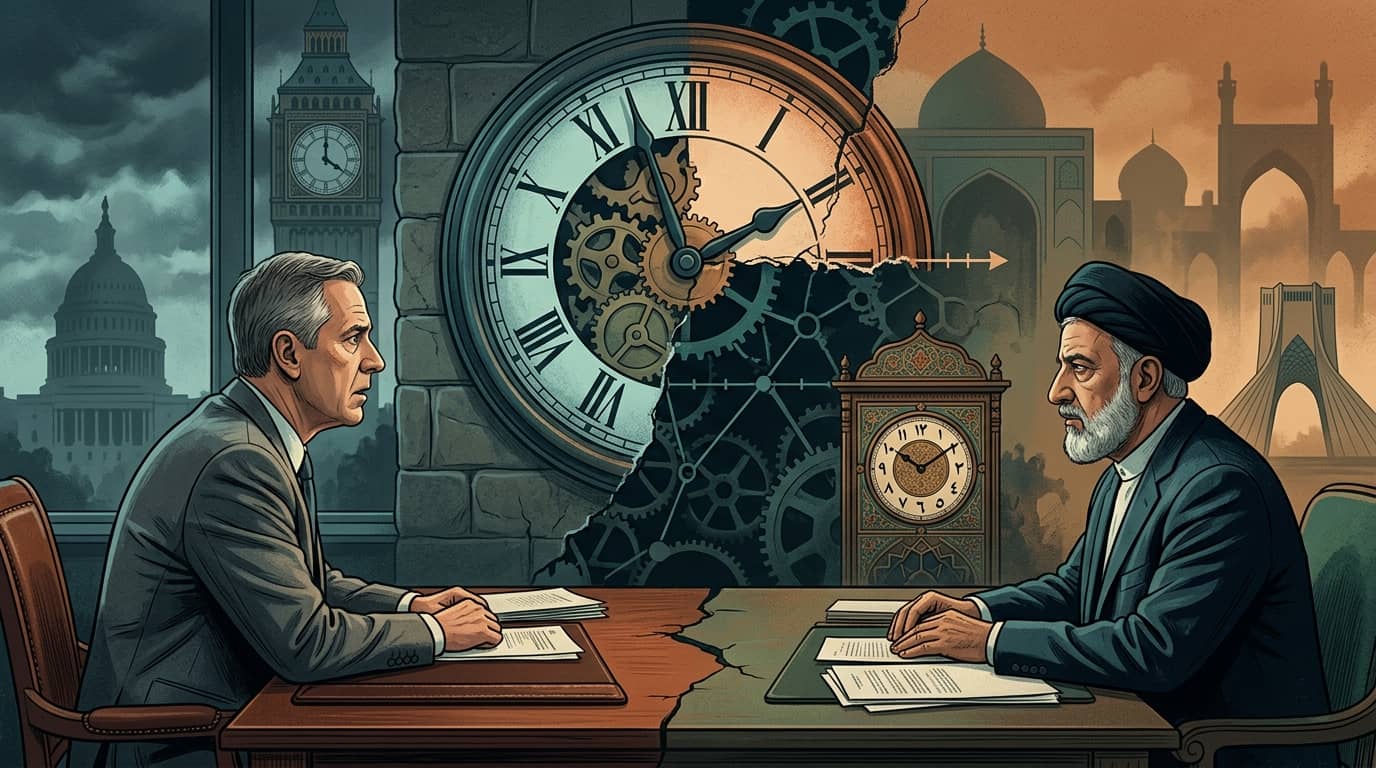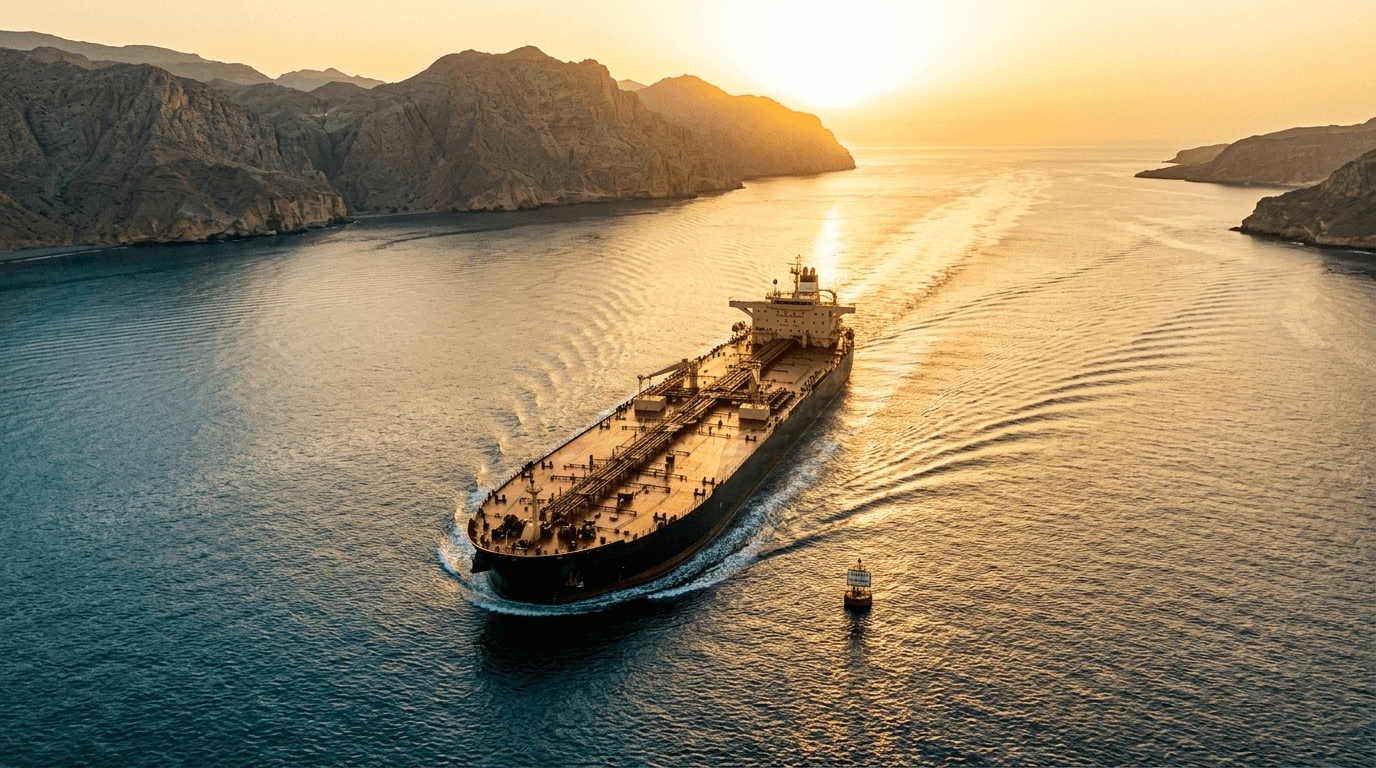
Iranian Foreign Minister Abbas Araqchi said on August 14 that Tehran has not decided to resume talks with the United States and that Washington must meet conditions on the Strait of Hormuz before shipping can resume, Reuters reported. The statement came as ship-tracking firm Kpler recorded just two vessels passing through the strait on that day, with no crude oil shipments visible, compared to more than 130 ships per day before the war.
The US-Iran memorandum of understanding, signed on June 17, 2026, by President Donald Trump and Iranian President Masoud Pezeshkian, expired on August 17 with neither side extending it, according to Al Jazeera. The interim deal had included provisions for the US to lift its blockade on Iranian ports, reopen the Strait of Hormuz to prewar traffic levels within 30 days, and begin a $300 billion reconstruction package for Iran, as reported by AP News.
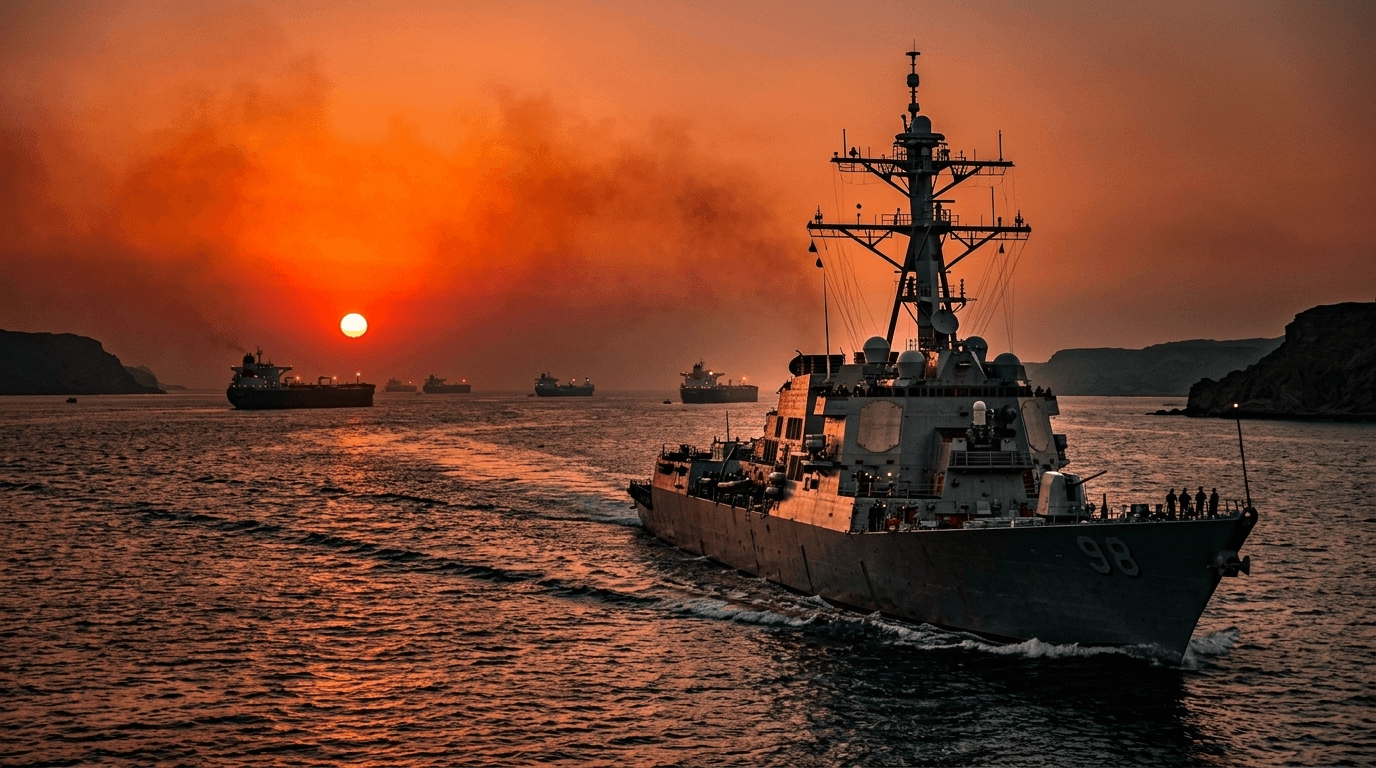
The United States said on August 13 that it could maintain its naval blockade of Iran indefinitely, Reuters reported, with shipping traffic through the Strait of Hormuz falling to about eight vessels per day compared to a 10-day average of roughly 12 vessels. The US position underscores the deepening standoff between the two countries with no framework for renewed negotiations in place.
Iran's top negotiator, Mohammad Bagher Ghalibaf, has not attended any formal US-Iran diplomatic meeting since the interim deal was signed, and no schedule for future talks has been announced. The lack of official commitments from either side leaves the question of Ghalibaf's potential involvement in any future meeting unresolved.
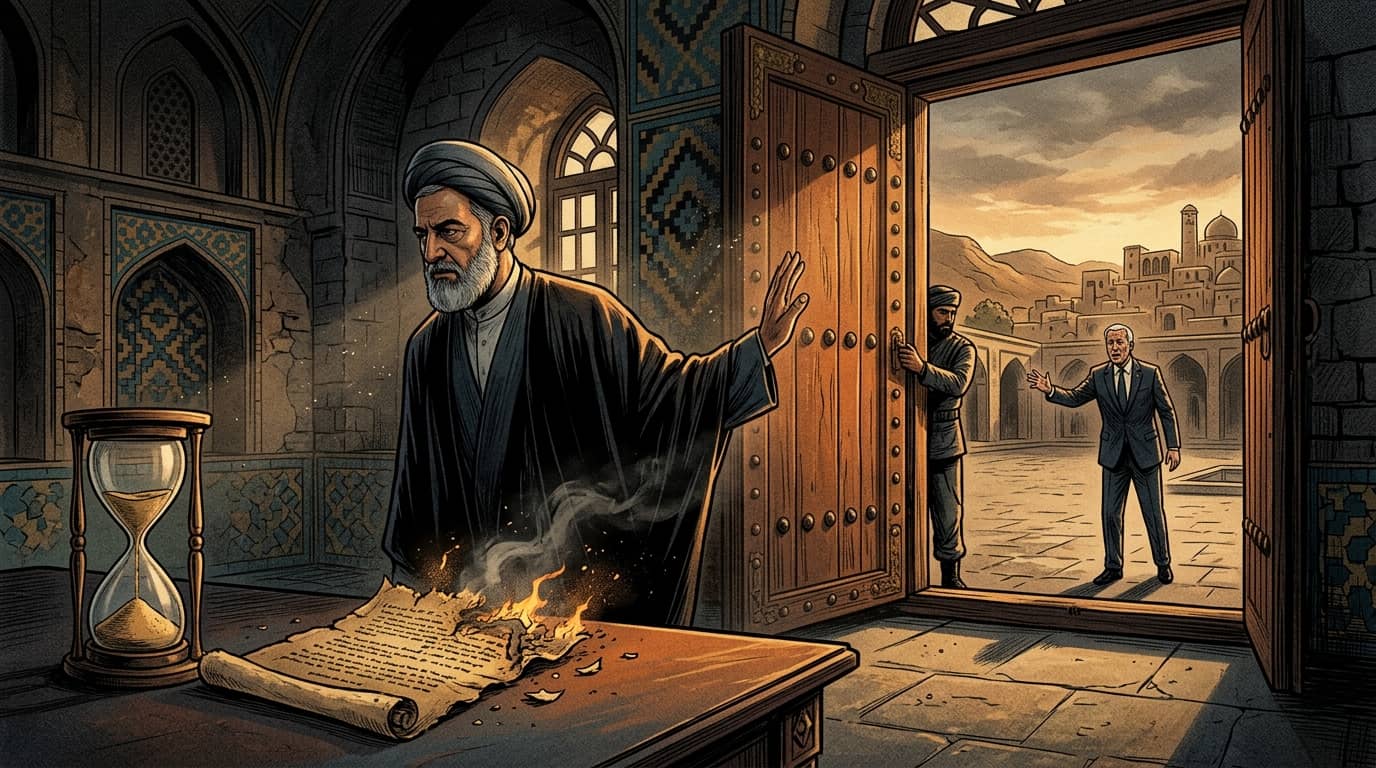
The expiration of the memorandum of understanding could prompt either an extension or renewed negotiations, but neither government has signaled a clear path forward. The immediate focus remains on whether the parties can revive a diplomatic channel that has produced little progress since the initial accord.