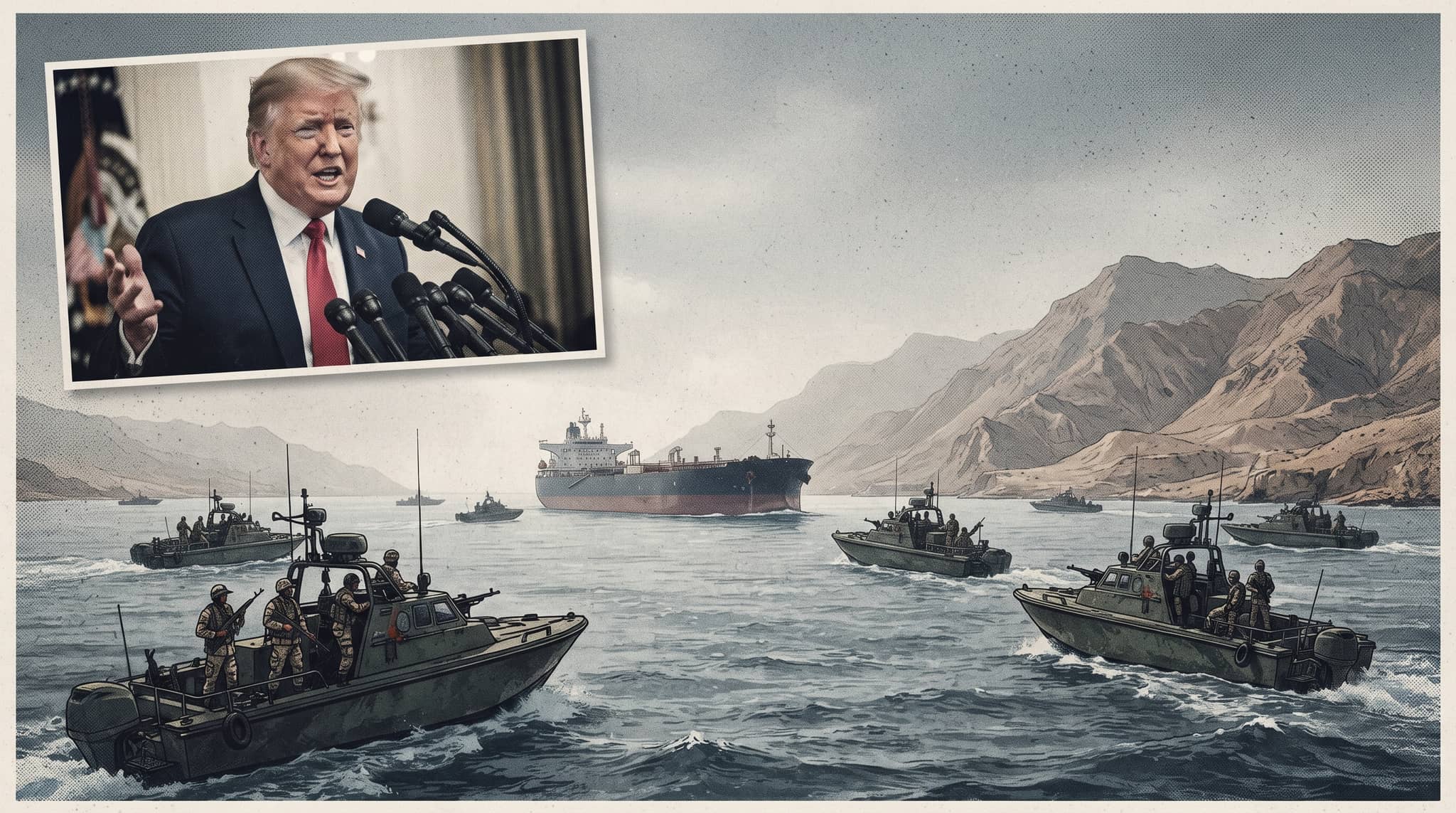
Iran laid out a set of conditions for reopening the Strait of Hormuz, insisting the waterway will not open until the United States ends the war, lifts its naval blockade, withdraws military forces from the area, compensates Iran for war damage, lifts sanctions, and unconditionally releases frozen Iranian assets. The Associated Press reported the position as Tehran's formal stance.
President Trump claimed that Mideast allies have reached the parameters of a deal to end the Iran war, including reopening the Strait of Hormuz, and said he would hold off on ordering new strikes. A regional official involved in mediation told the Associated Press that a proposal under discussion calls for reopening the strait and halting attacks but that mediation efforts remain ongoing.
Iran's foreign ministry said talks with the U.S. are ongoing and incomplete, with nothing finalized to end the conflict that began on February 28. The conflicting statements underscore the gap between White House optimism and Iran's position.
An Iranian state media draft plan, reported by CNBC, would exclude U.S. and Israeli ships from passage through the Strait of Hormuz while allowing other vessels free movement. That framework would fall short of restoring traffic to normal levels.
With the market pricing a low probability of a return to normal transit by mid-August, the next milestone is whether diplomatic talks yield a signed agreement addressing Iran's conditions. Absent a tangible deal, the Strait of Hormuz remains effectively closed to full commercial shipping.