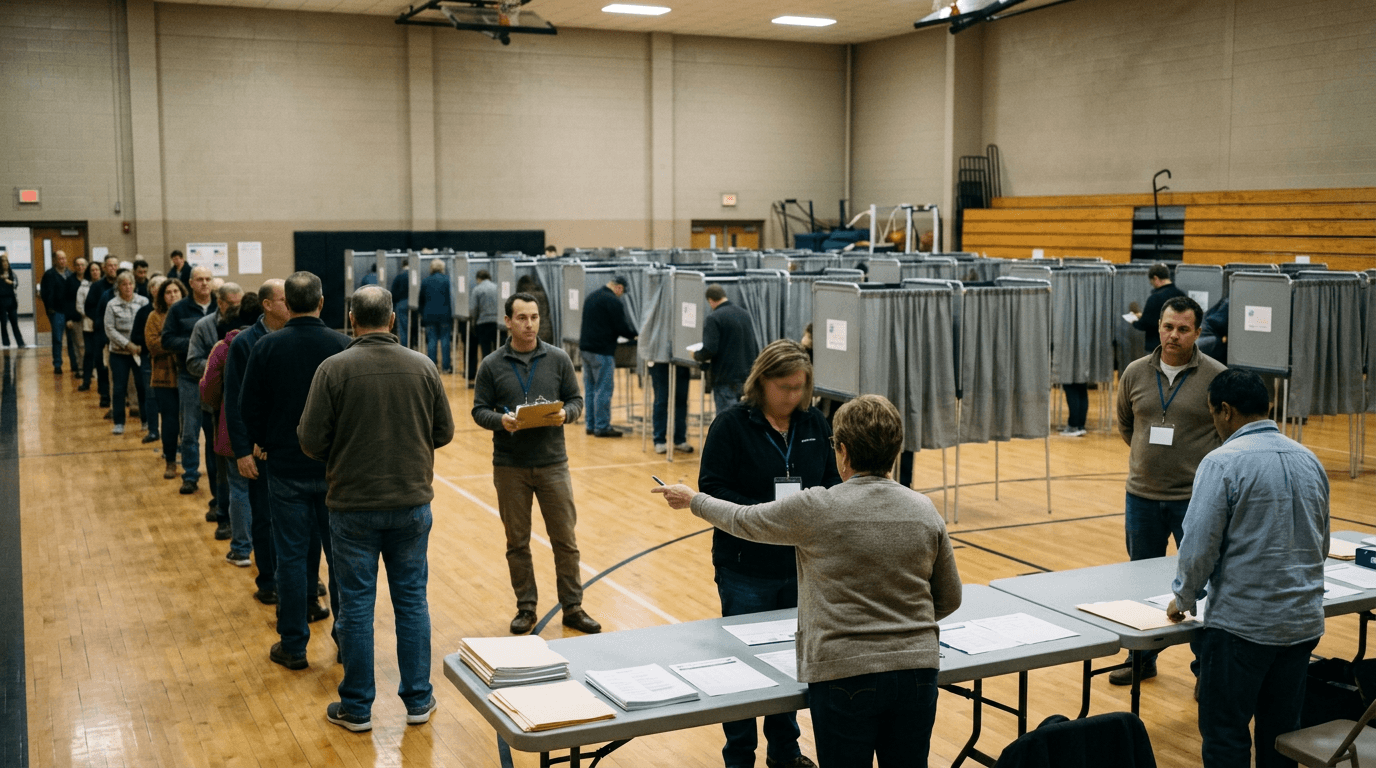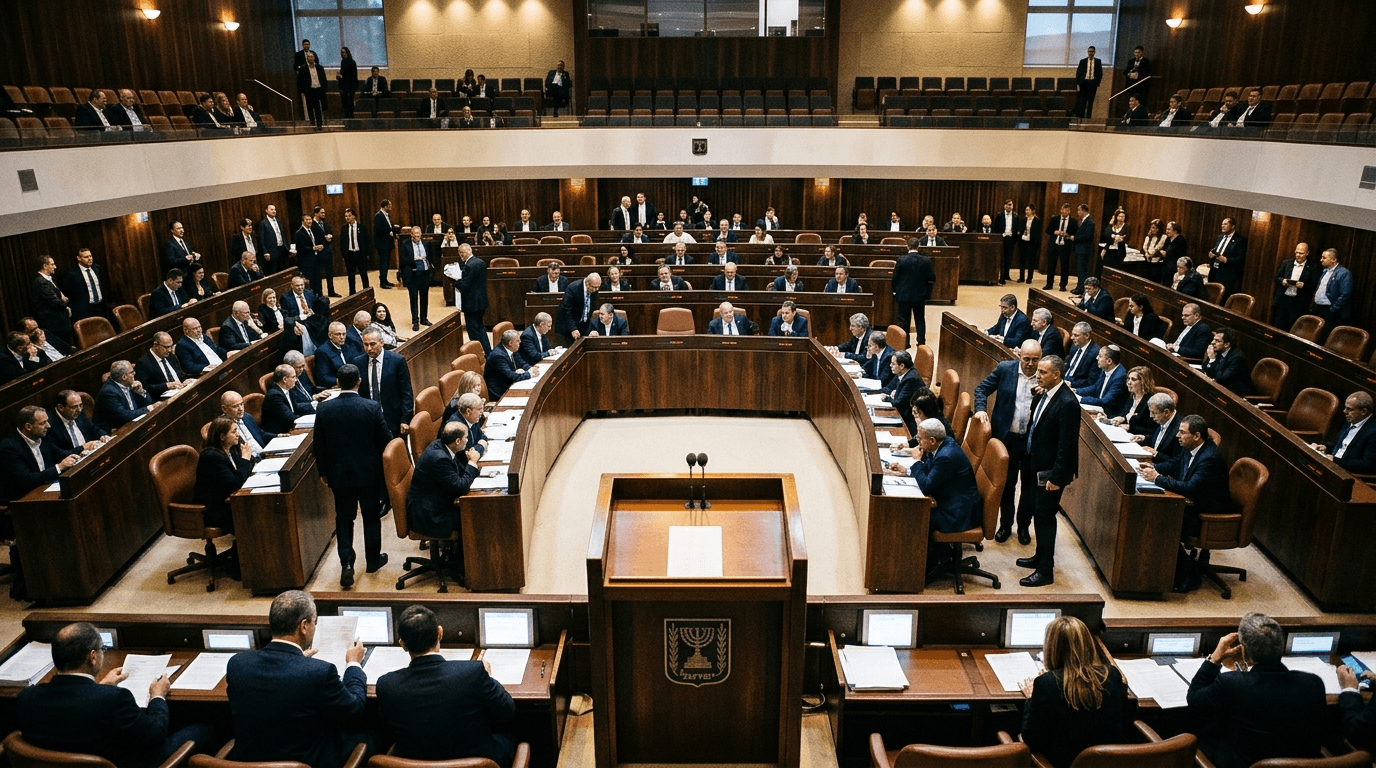
The first chance to form Israel’s next government is not necessarily a prize for the leader of the biggest party. It depends on who the president believes can assemble enough support in parliament. With most votes counted, neither Benjamin Netanyahu nor Gadi Eisenkot was within reach of a governing majority, leaving the central question unresolved: which candidate can persuade enough parties to back a government? The distinction between receiving a mandate and commanding a majority is central to understanding what this market measures.
Kalshi’s market on which candidate President Isaac Herzog will first ask to form a government puts Gadi Eisenkot at 56% and Netanyahu at 42%, as of 2:53 p.m. ET on Oct. 28. Those are traders’ current beliefs about a narrowly defined outcome, not a forecast of who will ultimately govern. The market is split, and the choice it tracks is only the first mandate—not whether its recipient succeeds in forming a government or becomes prime minister. The contracts ask whether The Times of Israel will report that the president gives each named candidate the mandate, rather than asking who will eventually lead the government. The prices describe beliefs about that reported outcome, not an objective probability of the political result.
The distinction matters because the president’s decision is about coalition prospects, not simply party rank. The president chooses the candidate he thinks is most likely to assemble a 61-seat majority, and the choice need not be the leader of the largest party. Netanyahu’s Likud was projected to be the largest single party, but that fact alone does not settle who gets the first opportunity. The count and projections remain provisional, with the final count expected in a few days. As long as the tally is unsettled, the relative size of the parties does not by itself resolve which candidate can gather the parliamentary backing the president is weighing.
Eisenkot’s market lead does not mean his route is clear. His path is complicated by divisions among opposition parties and reluctance among some potential allies to cooperate with Arab parties. Netanyahu, too, faces the challenge of finding enough partners: neither candidate was within reach of a governing majority with most votes counted. That leaves the market’s leading alternatives on opposite sides of an unresolved coalition question, rather than indicating that either has secured a governing arrangement. A higher market probability for Eisenkot reflects traders’ current view of who may receive the first mandate; it does not establish that his coalition prospects are stronger in fact or that he can complete the task.
The decisive signals are still ahead: the final seat tally, the parties’ recommendations to Herzog, and whether either camp can assemble dependable parliamentary support. The first mandate would give its recipient a chance to negotiate, not a guarantee of success. Kalshi’s prices capture uncertainty around who gets that initial opportunity; they cannot answer who will govern. The reported deadlock and the market’s split leave room for the political picture to change as the count is completed and the president weighs who can put together a majority. For readers, that is the key limit of the current prices: they concern the first invitation to try, while the larger question of forming a government remains open.