New data from Oregon is turning postal timing into an urgent voting issue less than two months before the midterm elections. The state reported that 7,314 ballots arriving during the seven-day grace period after its May primary were rejected because of late postmarks, a 35 percent increase from the comparable 2022 primary. The rejection rate among ballots received during that window reached 13.1 percent, up from 9.5 percent in 2024 and 8.2 percent in 2022. State officials say those figures suggest that thousands of voters handed ballots to the Postal Service on time but did not receive a qualifying postmark before the legal deadline. Oregon Secretary of State Tobias Read is urging voters to use official drop boxes and has asked lawmakers to fund twenty more locations and a statewide ballot-tracking system.
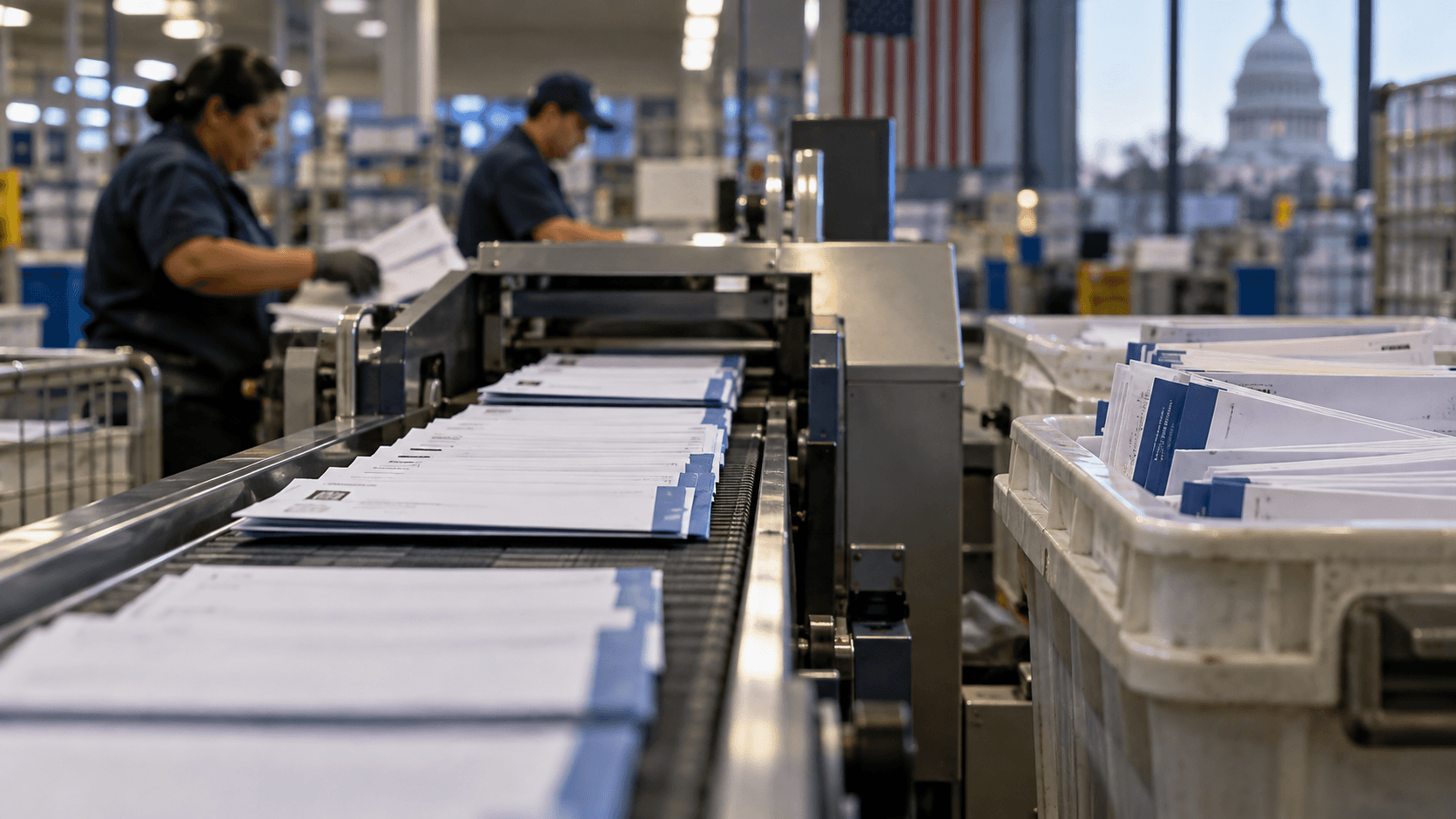
The operational concern is national because election offices are already preparing and mailing fall ballot packages. The Postal Service says a new federal rule would improve handling by requiring unique barcodes, standardized envelope designs and state-provided lists identifying people scheduled to receive ballots through the mail. It argues that those tools are familiar shipping practices, do not allow postal officials to change the state lists and can improve security and reliability. Election administrators counter that compressed deadlines leave too little time to redesign materials, certify voter information and test new systems before voting begins. The dispute has forced state officials to plan for higher drop-box use while explaining to voters that a ballot placed in the mail before Election Day may still be vulnerable if its postmark is delayed.
The clash has moved into the courts. A federal judge blocked mandatory enforcement while litigation continues, finding that election officials may be unable to comply before November and warning that noncompliant ballot mail could lead to substantial disenfranchisement. The temporary order still allows states to seek Postal Service approval voluntarily and permits the agency to continue building its ballot portal. The administration has asked the Supreme Court to lift the block, arguing that appellate review could otherwise come too late for the election. That leaves officials preparing for a system whose legal requirements could change while ballots are already moving. It also creates two separate but overlapping risks: whether voters receive ballot packages on time and whether completed ballots obtain timely postmarks on the return trip.
A Polymarket event on control of Congress showed the all-Democratic outcome near 50.5 percent Wednesday morning, down about one percentage point over the previous day, with about $12.8 million in open interest across the event. That price does not measure the chance that postal delays will decide the election, and Oregon's rejection data cannot be translated directly into seats. It does underscore how narrow expectations are in a contest where administrative failures affecting thousands of ballots could matter at the margins. The next decisions belong to the courts, state election offices and the Postal Service. Voters in mail-heavy states will also face a practical choice: return ballots earlier than usual, use official drop boxes, or track them closely enough to correct a problem before deadlines expire.