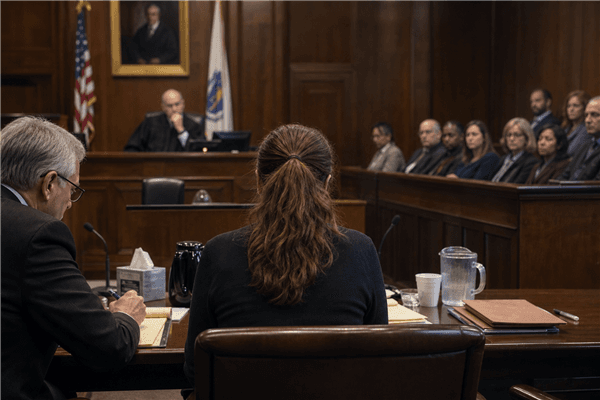
The Lindsay Clancy murder trial is moving into its final stretch in Plymouth, Massachusetts, with jurors preparing to weigh one of the most wrenching questions any criminal court can face: whether a mother who killed her three children should be judged as a calculating murderer or as someone whose mind had collapsed under severe postpartum mental illness. Clancy is charged in the January 2023 deaths of her children at the family's home in Duxbury, and there is no dispute that she caused the killings before attempting to take her own life. The fight at trial has instead centered on criminal responsibility, a distinction that could send her either to prison for life or to a secure psychiatric facility if jurors conclude that psychosis left her unable to appreciate the wrongfulness of what she was doing.
That legal divide has become sharper in the final days of testimony. The defense rested on Friday, August 21, after calling mental health experts and family members who described a woman unraveling under anxiety, insomnia, medication changes and what they say were psychotic symptoms tied to childbirth. A defense psychologist testified that Clancy did not understand the wrongfulness of her actions when she killed the children. Prosecutors, however, have pushed a far harsher narrative, arguing that the killings were planned and that Clancy understood enough to create a window of time by sending her husband out on errands before the children were strangled. Their rebuttal case has tried to undercut the idea that devastating mental illness erased legal responsibility, leaving jurors to decide whether profound suffering also crossed the threshold required by Massachusetts law.
The trial has also become a flashpoint far beyond the courtroom because it touches a deeply emotional and politically charged debate over maternal mental health. Supporters have gathered outside court in pink clothing to argue that postpartum psychosis remains poorly understood and too often missed by families and clinicians. That public campaign does not answer the criminal question before the jury, but it helps explain why the case has drawn such intense national attention. The verdict will be read not only as a judgment on Clancy herself, but also as a signal about how American courts handle extreme psychiatric claims in cases involving undeniable violence and devastating family loss.
Prediction markets are reflecting that uncertainty, but not evenly. On Polymarket, the contract asking whether Clancy will be convicted of murder is trading below one third after dropping sharply over the past day, a sign that traders increasingly see the insanity defense as a real obstacle to a straightforward conviction. That signal should not be mistaken for a forecast written in stone. Jurors still have to hear closing arguments and deliberate on a case that mixes graphic facts, dueling psychiatric testimony and a demanding legal standard. The real next step is close and concrete: once testimony ends and closings begin this week, the case will move from competing narratives to a verdict that could quickly become one of the most closely watched criminal judgments of the year.