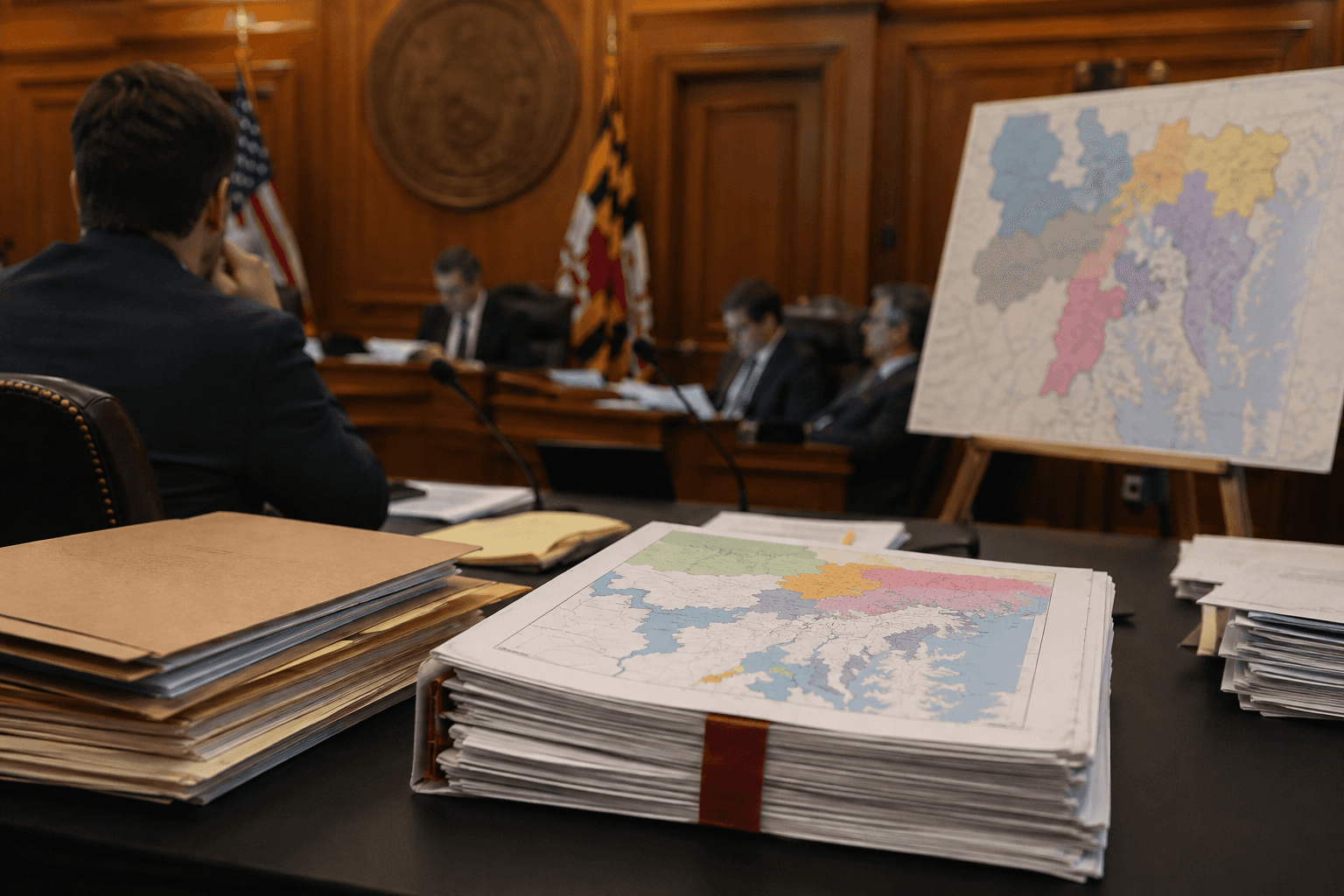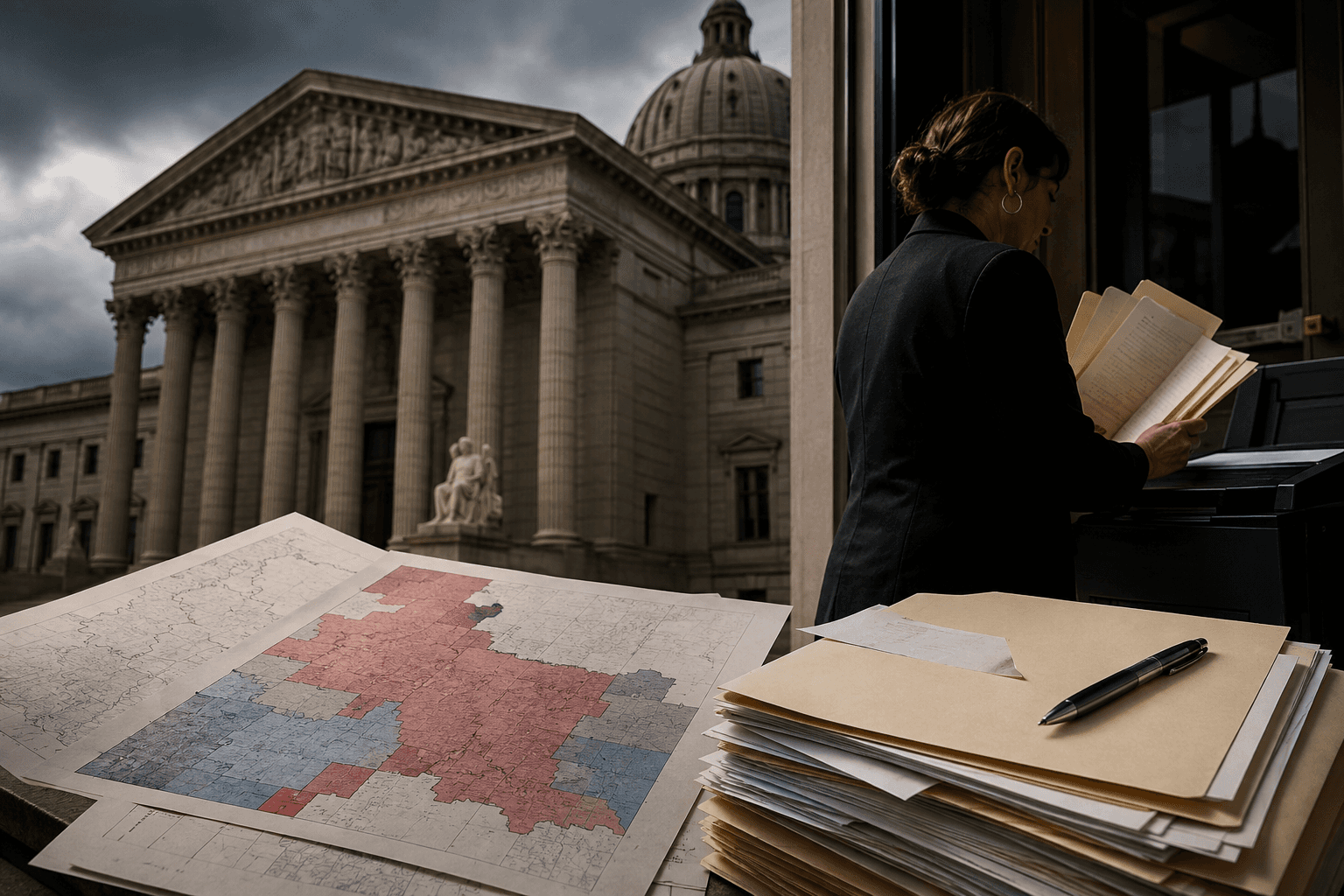
Missouri's congressional fight lurched into a new phase on Friday when the state's highest court blocked the use of the newly redrawn map for the November general election and ordered voters to weigh in on it later instead. Associated Press reported that the Missouri Supreme Court unanimously sided with referendum backers who argued the revised districts could not simply be treated as locked in law while a ballot challenge was still alive. That ruling means the older district boundaries remain in place for this fall, even though the state had already run its August primaries under the new lines. The decision did more than hand Republicans a legal setback. It opened an immediate practical question about how the parties, election officials and campaigns are supposed to translate August results into a November ballot built around a different map.
The stakes are larger than a technical filing dispute. Missouri Republicans had pushed the redrawn districts in hopes of squeezing out another safe House seat, especially around Kansas City, where the proposed changes threatened Democratic Rep. Emanuel Cleaver's position. Opponents answered with a referendum campaign that drew more than three hundred thousand signatures, arguing that voters should decide whether the map deserves to stand. The court agreed that the referendum was valid and timely, rejecting the state's earlier view that congressional redistricting could not be suspended that way. Attorney General Catherine Hanaway has already signaled that she wants the U.S. Supreme Court involved, but even an appeal does not erase the problem in front of local officials: the fall ballot is approaching faster than the legal system can cleanly reset a primary season that was held under districts the court now says cannot govern November.
Prediction markets quickly turned that confusion into a procedural bet rather than a partisan one. Kalshi placed Missouri's nominee-method board in its New row on Friday, asking which mechanism will first officially settle all Democratic and Republican House nominees under the restored map. The board's clearest early quote favored carrying over the August primary winners, with the yes side roughly between sixty one and seventy one cents, while party committee selections traded much lower at roughly twelve to seventeen cents on the yes side. At the same time, almost all of the early money landed in the contract that rejected party committee nominations as the statewide answer, while the carryover contract itself had not yet built real volume. That is not a settled verdict. It is a market saying the cleanest administrative shortcut looks more plausible than a wholesale do over, even though traders still lack a mature read on how Missouri will actually implement the court's ruling.
That leaves the next move with judges, election administrators and party lawyers, not with the market. If federal appeals go nowhere, Missouri will need a defensible way to name every nominee on the restored map without throwing the calendar into chaos. If appeals do gain traction, the state could be pushed back into another round of uncertainty just as ballots are finalized. Either way, Friday's ruling changed the argument from whether Republicans could benefit from a new map to whether Missouri can produce a legally coherent ballot at all. Voters are still headed toward a midterm election. What has become unclear again is which map, and which nominees, will truly define it.