Los Angeles Councilmember Nithya Raman holds a five-point lead over Mayor Karen Bass in a new internal poll released by Raman's campaign, adding pressure to a runoff already defined by competing claims about the city's direction. Hart Research Associates found Raman at 44 percent and Bass at 39 percent among 600 likely voters surveyed in early September, with 17 percent undecided. The poll's four-point margin of error means the measured lead is not conclusive, and its campaign sponsorship warrants caution, but it offers fresh evidence that the incumbent has not secured the race.
Other campaign-aligned surveys reinforce the uncertainty rather than identifying a durable favorite. An independent expenditure group supporting Raman said its poll initially had Bass at 38 percent and Raman at 37 percent, a statistical tie, before additional information about the candidates moved Raman ahead 41 percent to 34 percent. A pro-Bass group cited an early-August Tulchin Research survey showing the mayor leading 41 percent to 35 percent, with 24 percent undecided. After respondents heard balanced biographies, that poll put Bass ahead 45 percent to 33 percent. The sharply different results show how question order, sponsorship and voter information can shape a still-fluid contest.
The polling arrived as both campaigns and their allies expanded paid advertising. Raman promoted a Hollywood-themed message centered on affordability and change, while outside groups have attacked Bass over homelessness, transparency and the response to the Palisades fire. Bass has emphasized her governing experience and argued that Raman's council record deserves closer scrutiny. The contest pits two Democrats and former political allies against each other in a city where housing costs, street conditions, public safety and the handling of homeless encampments remain persistent tests for City Hall.
Kalshi's Los Angeles mayor market moved toward Raman after the new numbers circulated. Bass traded near 55 percent, down seven points from the previous price, while Raman was near 45 percent after an eight-point increase. The two contracts together have accumulated more than $33 million in activity, with nearly $594,000 over the past day. The shift is substantial, but it does not settle the race. Campaign polls are designed in part to influence donors, volunteers and media coverage, and the market can amplify a headline before independent surveys confirm the signal.
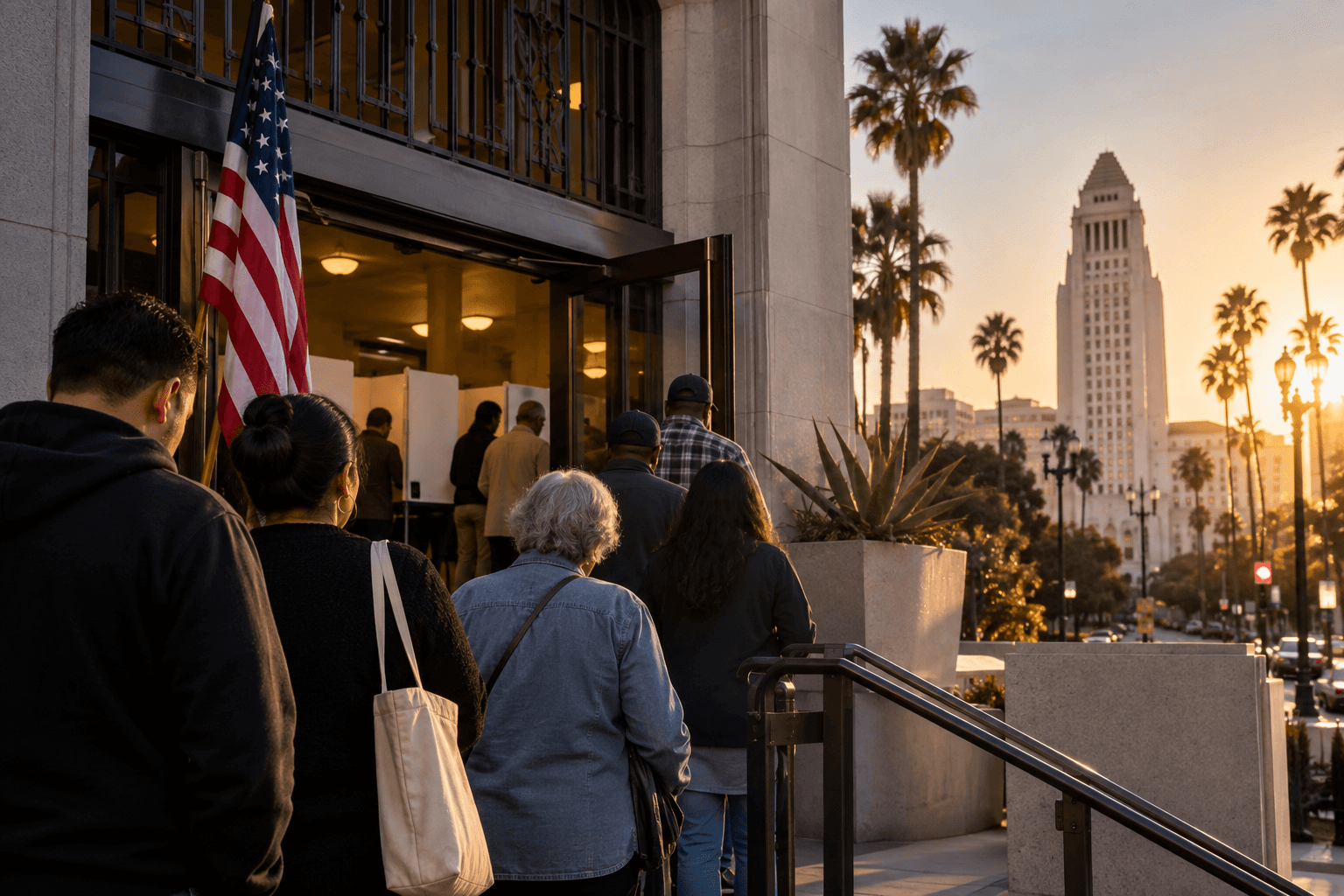
Voters will choose between Bass and Raman on November 3 after the councilmember advanced from the June primary. The next high-quality independent poll will be more informative than another memo from either side, especially if it publishes full questionnaires, weighting and turnout assumptions. Debates and advertising will also test whether the large undecided blocs found across the surveys shrink in a consistent direction. For now, Raman can argue that an upset is plausible, while Bass can point to competing data and the advantages of incumbency. The evidence supports a competitive runoff, not a settled winner.