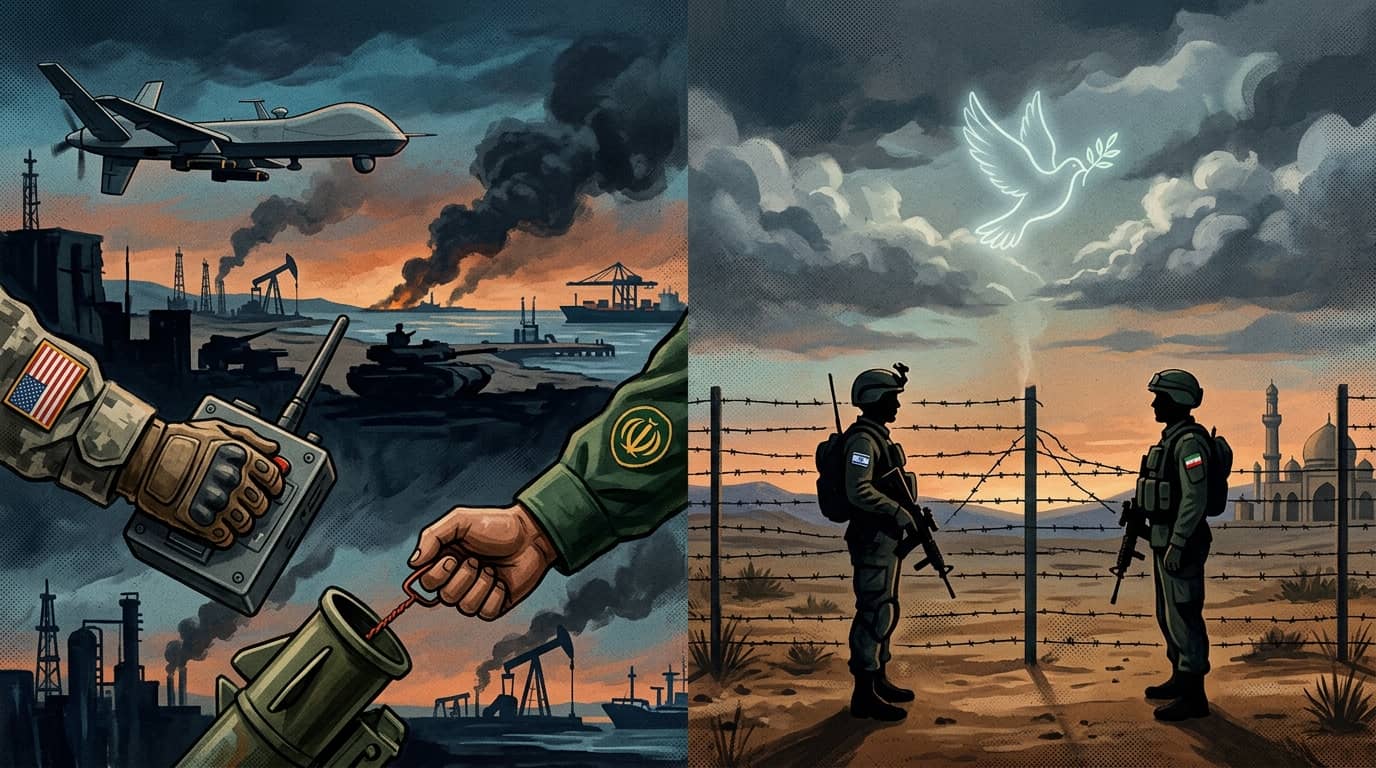
The Pentagon suspended its bombing campaign against Iran late on Friday, July 24, ending 13 consecutive nights of US airstrikes, with no US attacks reported on either Saturday, July 25, or Sunday, July 26, according to reports citing US officials.
President Trump said on July 27 that the US halted attacks at Iran's request, warning that he would order 'very strong military action' if negotiations fail. US Ambassador to the UN Mike Waltz said Sunday that Trump is 'giving talks some space' and 'a little bit of room,' while stating that US forces remain 'locked and loaded' and that talks are happening 'at every level from the technical aspect to the highest levels.'
Top military advisers recommended the pause. General Dan Caine, Chairman of the Joint Chiefs of Staff, cautioned privately that continued bombing risked negative impacts on US munitions stockpiles, including Patriot interceptor missiles. The Guardian reported that top military officials advised Donald Trump that the campaign had reached the limits of its effectiveness.
Iran's army spokesperson Mohammad Akraminia said on July 27 that since 'our strategy has essentially been retaliatory, we have also halted our retaliatory operations,' noting the US had stopped attacks for two nights. A senior Iranian official told Reuters on July 26 that Iran would halt its own attacks as long as the United States does the same, stating Tehran's position remains 'attack for attack: if the attacks stop, Iran will also halt its operations.'
Iran hosted diplomatic calls with Saudi Arabia and Oman regarding the Strait of Hormuz on July 28, as Trump publicly hailed 'good talks' between the parties. It remains unclear whether the US government has issued a formal, public announcement declaring a cessation or suspension of offensive military operations against Iran, as distinct from a de facto tactical pause.