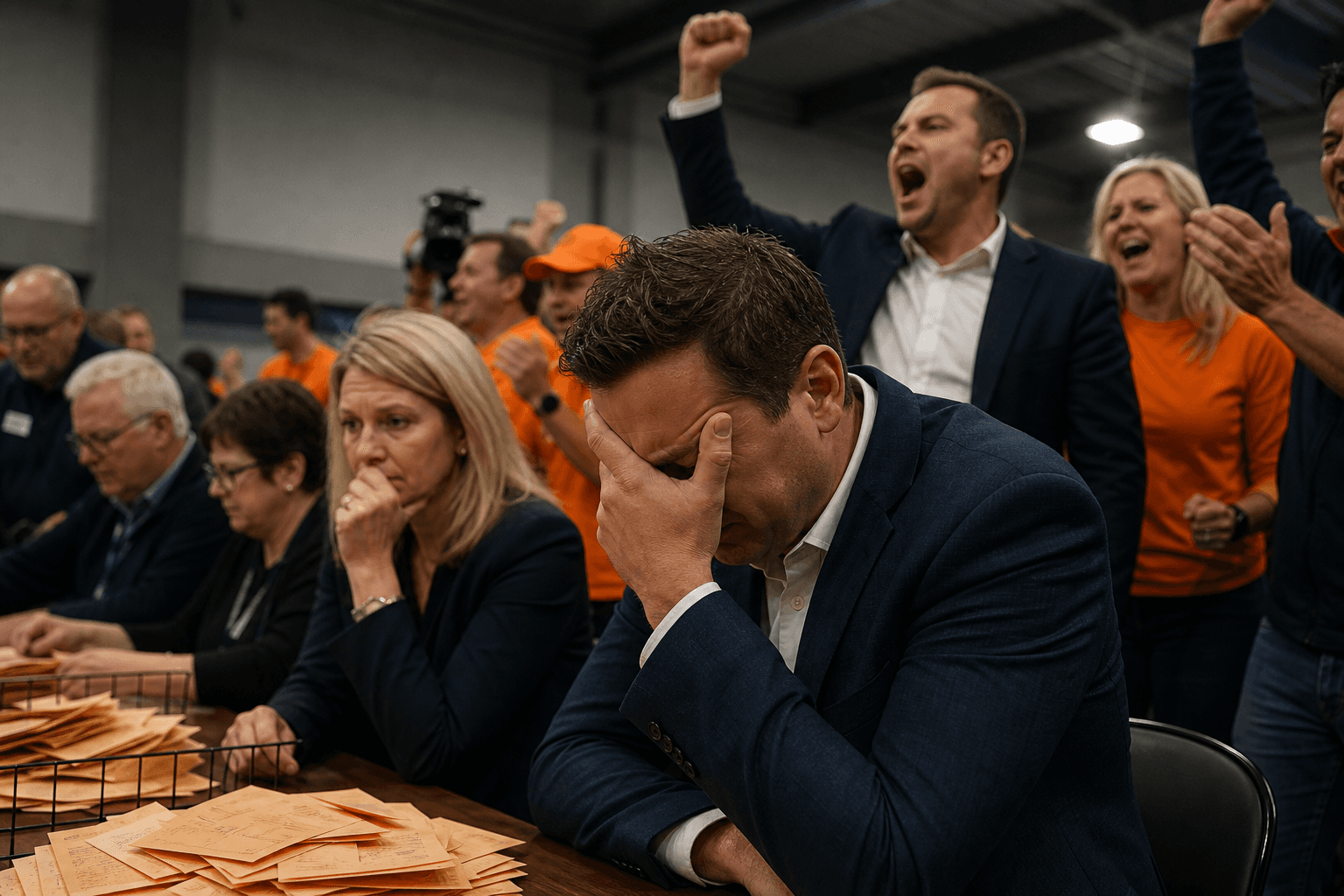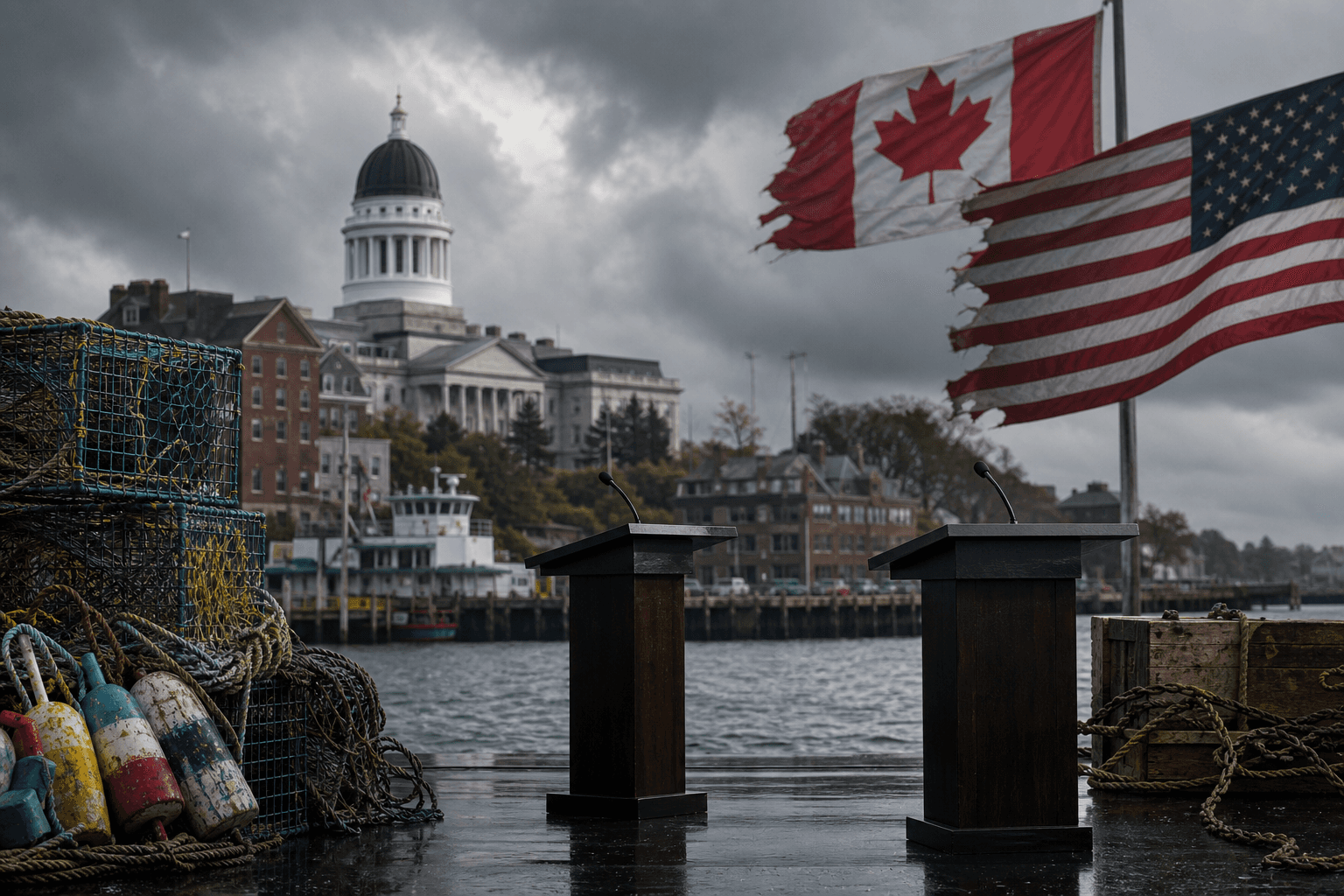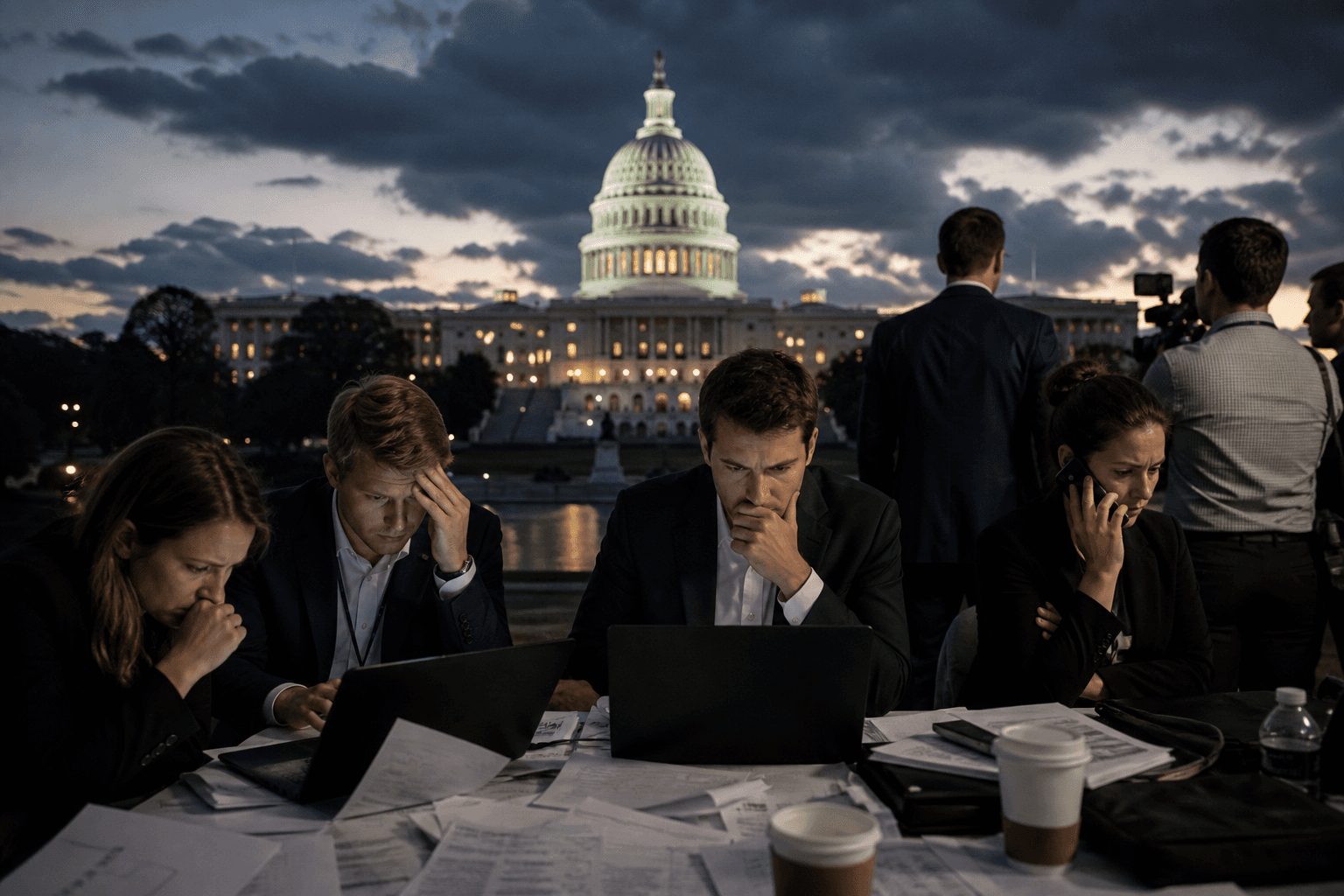
Republicans are moving toward the fall campaign with less political cushion than they expected to have at this point in the cycle. What was supposed to be a midterm fought on immigration, judicial battles and the familiar advantages of holding a narrow congressional majority has become something harsher and more expensive for voters to absorb. The war with Iran has stretched on far beyond the timeline Donald Trump once promised, gasoline and other costs remain politically toxic, and the collapse of trade talks with Canada has made economic strain feel newly concrete in border and manufacturing states. None of that guarantees Democrats a clean comeback. It does mean Republicans are no longer asking only whether their coalition can stay energized. They are increasingly being forced to defend whether the party in power still looks competent enough to deserve the benefit of the doubt.
That shift is now visible in both reporting and polling. The Associated Press reported on August twenty-eighth that Republicans are heading into the midterms with the Iran war still dragging on months longer than Trump had promised, a burden that is hitting household costs and opening a more direct line of attack for Democrats. A separate AP report earlier in the week showed how the Canada trade breakdown is landing in states with politically sensitive Senate races, turning tariffs into a practical voter issue rather than an abstract foreign-policy dispute. Economist and YouGov polling published this month adds the broader mood: Democrats hold the advantage among enthusiastic midterm voters, while many Americans say they want the Iran conflict to end quickly and have grown more skeptical that it will. Taken together, those signals matter because they describe a national environment in which frustration is no longer confined to one constituency or one policy lane. It is bleeding across foreign policy, trade and consumer anxiety at the same time.
Prediction markets have started to reflect that narrower Republican margin for error without collapsing into a single runaway forecast. On Polymarket's featured balance-of-power board on August twenty-ninth, the leading outcome was a full Democratic sweep at just under half probability, while a Republican Senate paired with a Democratic House remained the other major scenario and a full Republican hold sat well behind them. That pattern suggests traders still see several plausible ways the map could break, but they are increasingly treating a House loss as the most realistic path if the national mood stays sour. The market is not saying Republicans cannot recover. It is saying they have less room to absorb more political damage.
The next phase of the campaign will test whether Republicans can localize enough races to escape that broader verdict. They still have structural advantages in some districts, a presidential base that can be reactivated, and an opposition that must turn dissatisfaction into actual turnout. But the burden of proof has changed. Every additional month of war, every trade setback that raises prices, and every reminder that the White House has struggled to control events makes the midterms feel less like a routine test of partisan loyalty and more like a referendum on governing competence. For Democrats, that creates opportunity but not certainty. For Republicans, it creates a much harsher equation: they do not just need their voters to stay with them. They need enough wavering voters to believe that the turbulence of the past few months is temporary rather than the defining story of the rest of Trump's term.