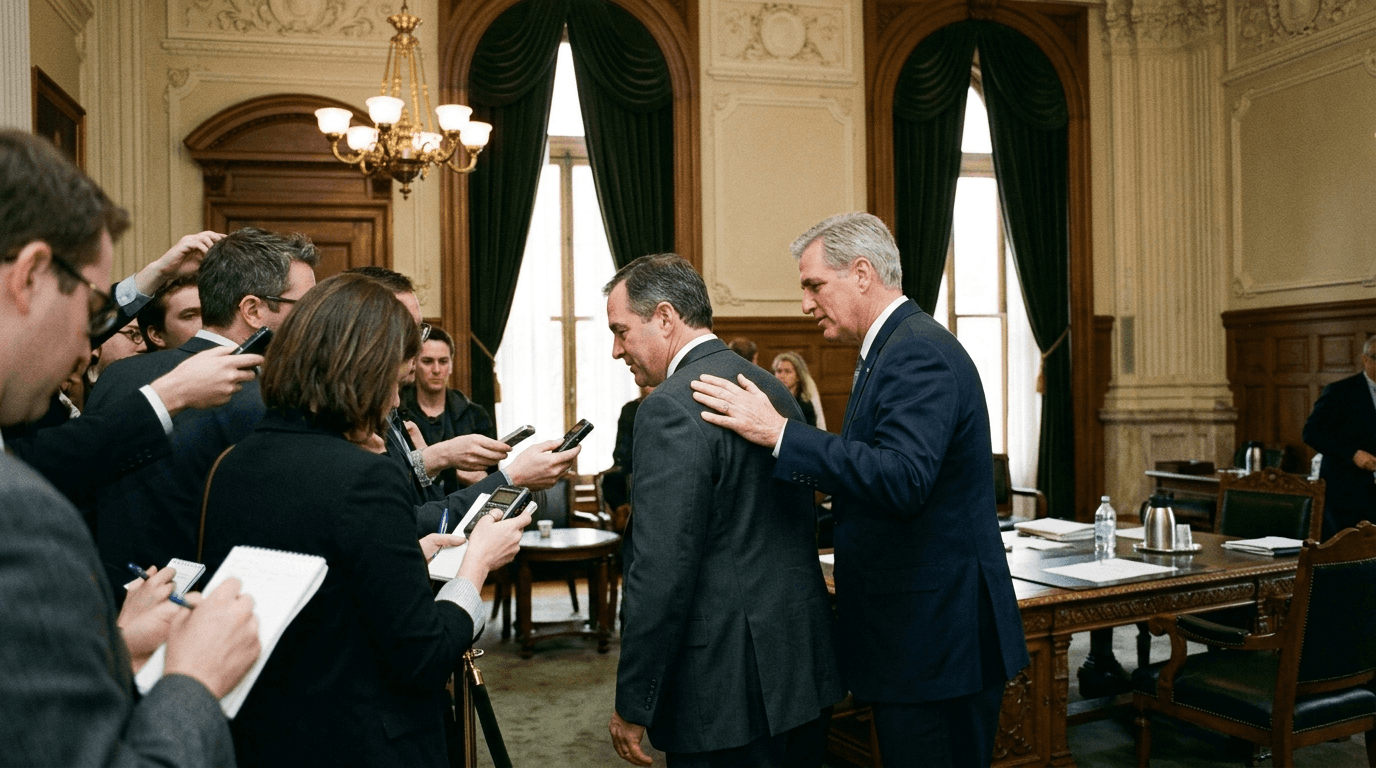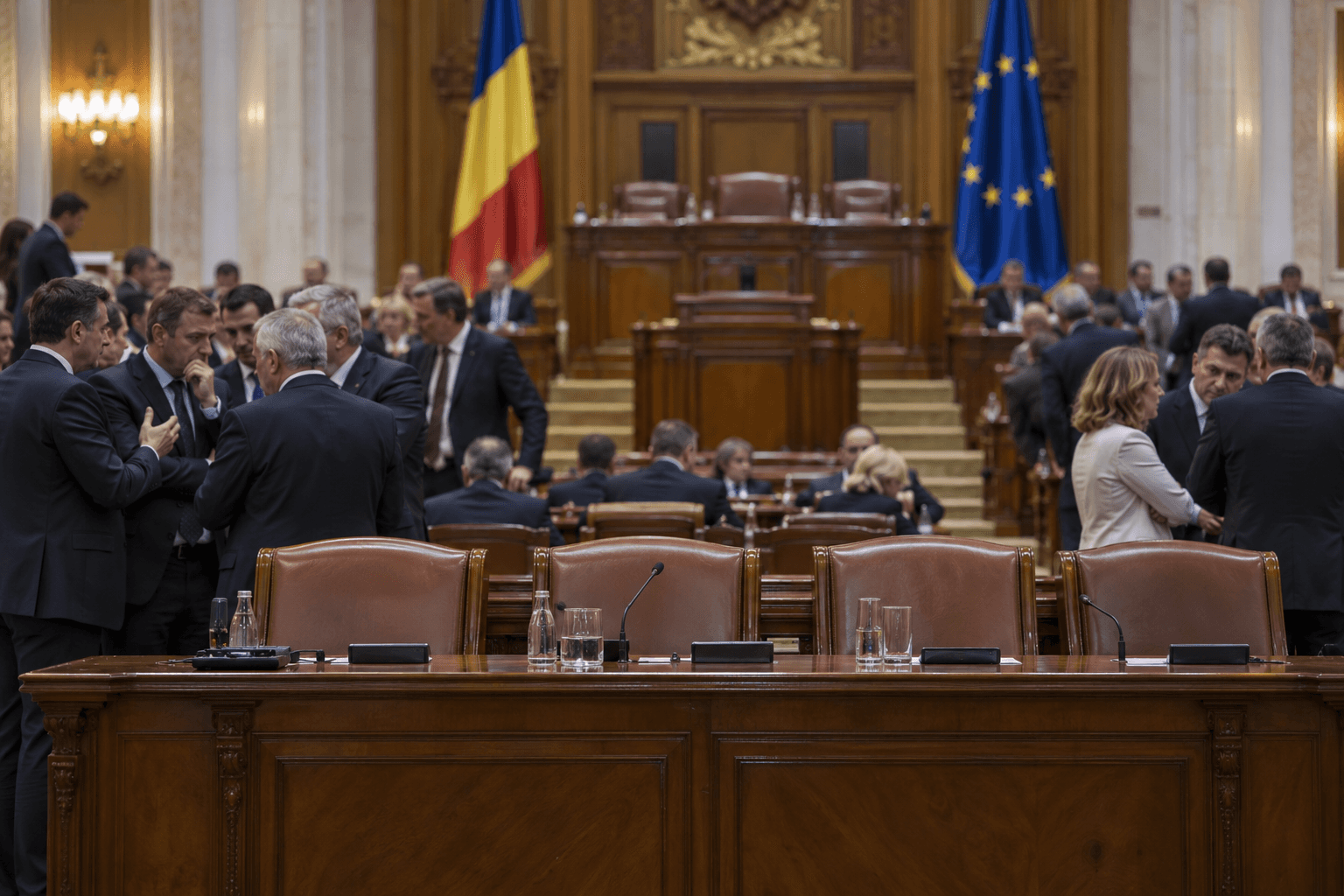
Romania’s Parliament has rejected the proposed government of Prime Minister-designate Siegfried Mureșan, extending a political crisis that has left the European Union and NATO member without a fully empowered cabinet for months. Mureșan secured 182 votes, well short of the 233 required for approval. The defeat made him the third unsuccessful nominee advanced during the current deadlock and returned the initiative to President Nicușor Dan. The vote also exposed how far the parties remain from a workable majority.
The collapse is about more than personnel. Romania is trying to reduce the largest budget deficit in the European Union while preserving its investment-grade credit rating and maintaining support for neighboring Ukraine. The previous broad pro-European coalition fell apart after a no-confidence vote in May, leaving an interim administration with limited political room. Mureșan assembled the National Liberal Party, the Save Romania Union and the ethnic Hungarian UDMR behind a reform-oriented program, but the alliance did not have enough seats to govern without outside support.
Prediction-market traders responded by assigning the highest probability to a nonparty solution. A Polymarket contract put the chance that Romania’s next prime minister will be an independent or technocrat at about 60.5%, up 15 percentage points over 24 hours. The wider event recorded nearly $11,000 in activity during that period. Those prices show how traders are interpreting the failed partisan coalition, but they do not identify the president’s next choice and should not be treated as an official forecast or proof that Parliament would accept a technocratic cabinet.
Dan now has several difficult paths. He can nominate another candidate who may be able to secure support from the Social Democrats, seek a broader arrangement that includes parties outside Mureșan’s alliance, or allow pressure for early elections to build. Reuters reported that the failure increases the possibility of cooperation between the Social Democrats and the hard-right Alliance for Uniting Romanians, a development that could complicate deficit reduction and Romania’s pro-European direction. The constitution also permits Parliament to be dissolved after repeated failed cabinet votes under specified timing conditions, although a snap election is not automatic.
The immediate next step is a new round of consultations at the presidential palace. Any nominee will need to show not only that a cabinet can reach 233 votes, but also that it can pass a budget, negotiate with European institutions and manage heightened security concerns near the Black Sea. Another failed nomination would intensify pressure on Dan to choose between a compromise government and an electoral reset. Financial institutions and Romania’s European partners will also watch whether the caretaker period delays deficit measures already promised. For now, Mureșan’s defeat has clarified the size of the obstacle without resolving it: Romania’s parties agree that the caretaker period must end, but they still have not assembled a majority around who should lead the country next.