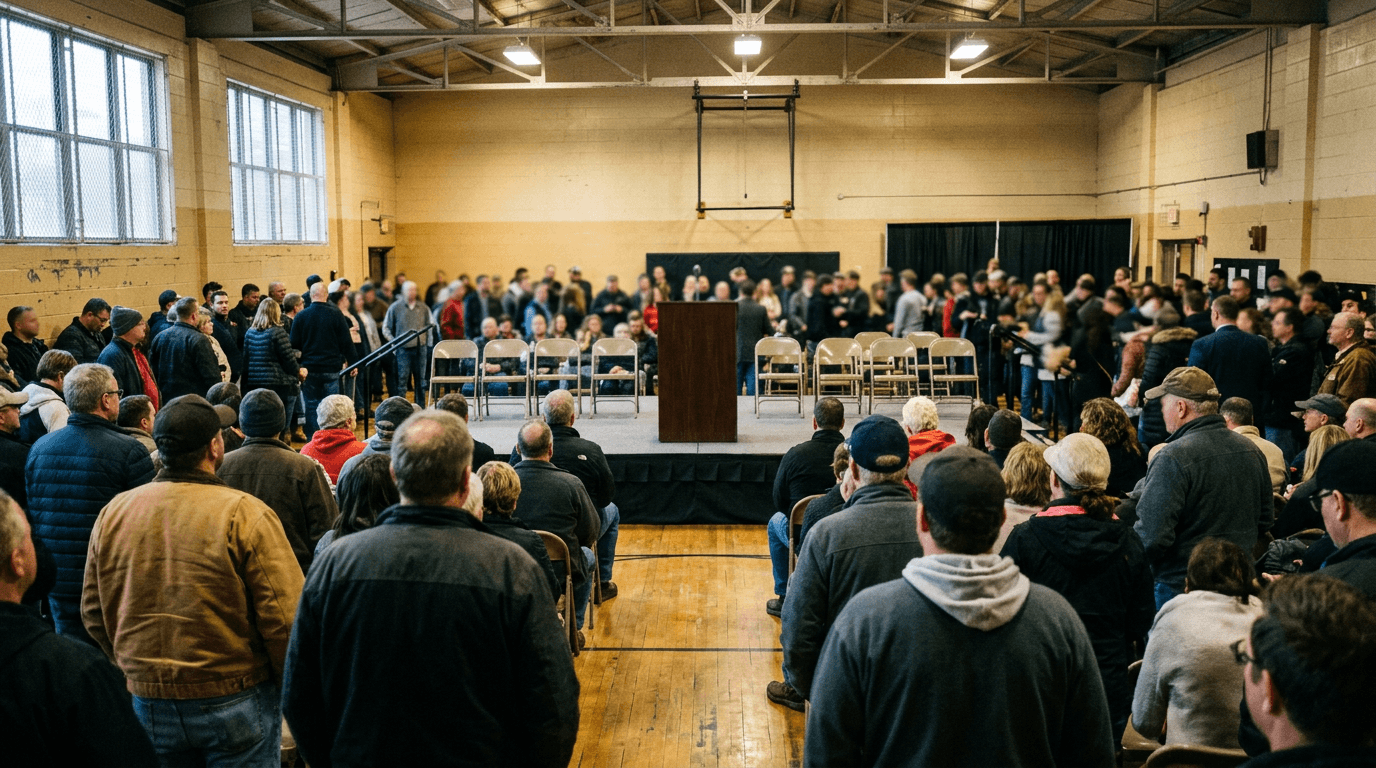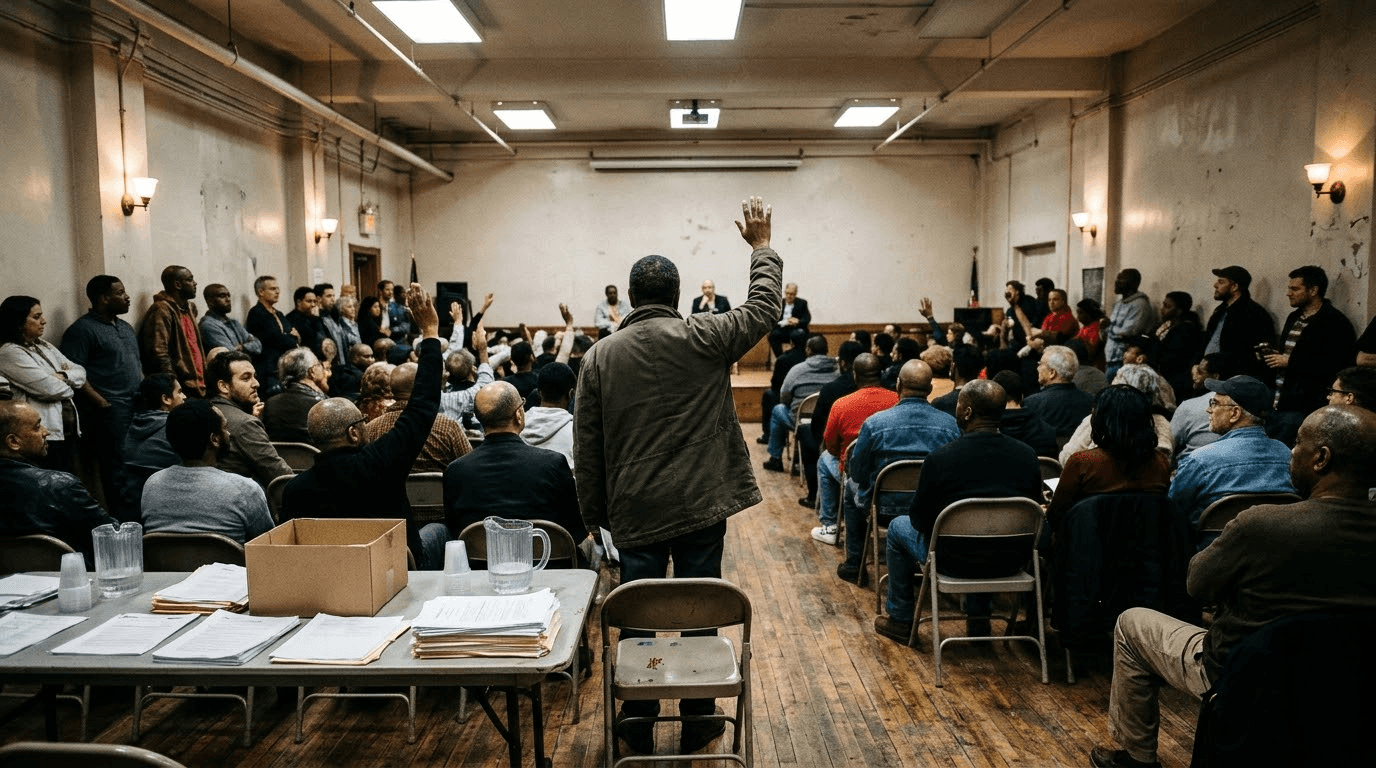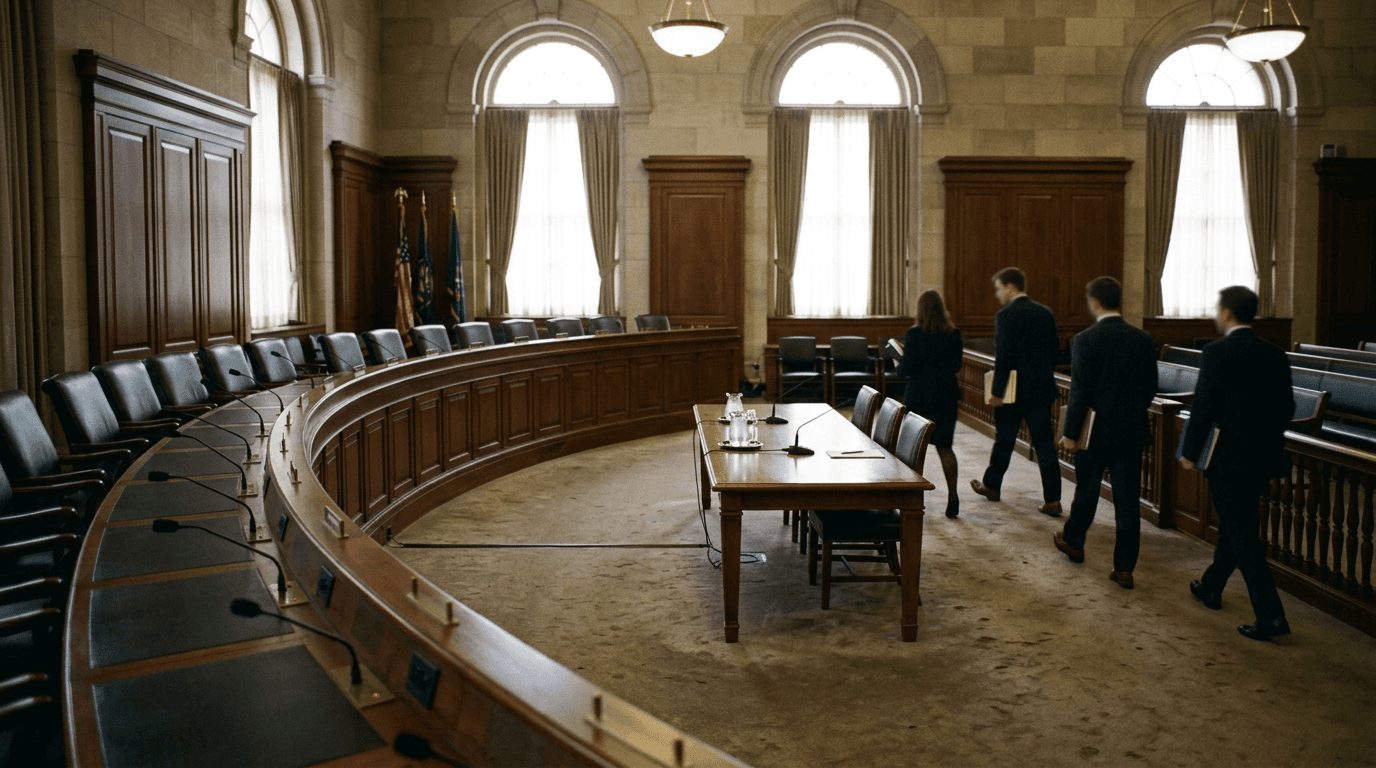
Whether advanced American AI chips are reaching China, and whether Washington has closed the gaps that let them through, is the question behind a coming Senate hearing. Committee Chairman Tim Scott has asked Nvidia CEO Jensen Huang to appear on December 3, and has asked Commerce Secretary Howard Lutnick to appear separately a week later. The hearing is titled "Protecting America's AI Advantage: Oversight of U.S. Export Controls." Scott framed it as seeking answers to questions that raise grave national security concerns.
The pressure is not coming from one side. Senator Elizabeth Warren, the committee's ranking member, said Lutnick and Under Secretary Jeffrey Kessler must explain why they have not closed export control loopholes. That puts the Commerce Department's handling of the chip trade, and not only Nvidia's business, in the committee's sights.
Kalshi runs a set of markets on which words Huang will say during the session. They are a rough read on what traders expect to dominate the questioning. as of 2:57 p.m. ET on Nov. 25, Kalshi traders put the chance that he says Trump or President at 86%. They put a Lutnick or Commerce mention at 81%. For China, the contract asks for repeated mentions, meaning at least the threshold set in its terms, and traders price that at 83%. That contract has barely traded, so the number says little. Huawei sits lower at 67%.
Newer chip names are less certain
The more specific the term, the more the market is split. Data Center is at 64%. Blackwell or Rubin and the name Megaspeed share a price of 63%. The Megaspeed contract is the most actively traded of the group, and Kalshi shows it up 9 points in the last day, with 188 contracts traded over the last day and 725 contracts open. Why traders raised their bets on that name is not evident. The contract on one specific Nvidia processor is the closest to a coin flip at 50%, up 5 points in the last day. That book is thin, with 14 contracts traded over the last day, so a few trades could shift the price.
The pattern fits a hearing about export controls. Traders expect the president, the Commerce Department and China to feature, and are less sure that Huang will name particular products or companies. Product names depend on how Huang answers and how senators phrase their questions.
What the prices cannot tell you
These markets price wording, not outcomes. A high price on China says traders expect the subject to be central. It does not say what the committee will conclude or whether any rule will change. A long, topic-dense hearing also favors word contracts, since more time means more chances for any given term to come up. Most of the contracts here are thinly traded, so their prices are tentative.
Several basic questions remain open. It is not yet clear whether Huang will attend voluntarily. It is also not clear whether the hearing will go ahead on the date now listed. The Kalshi contracts refer to the session as the one originally scheduled, which leaves room for a change. Until the hearing is held, the markets show what traders think will be discussed, and the committee's own questions will show what matters to senators.