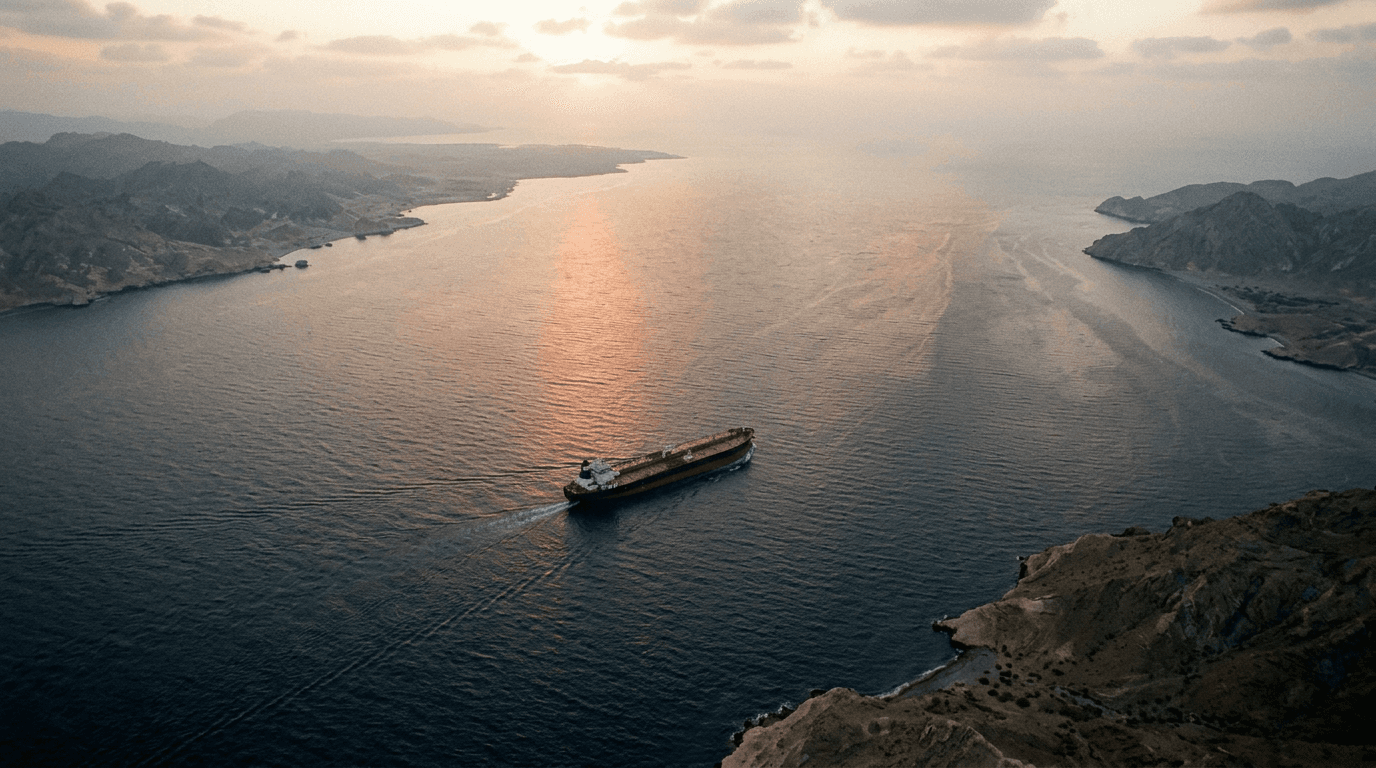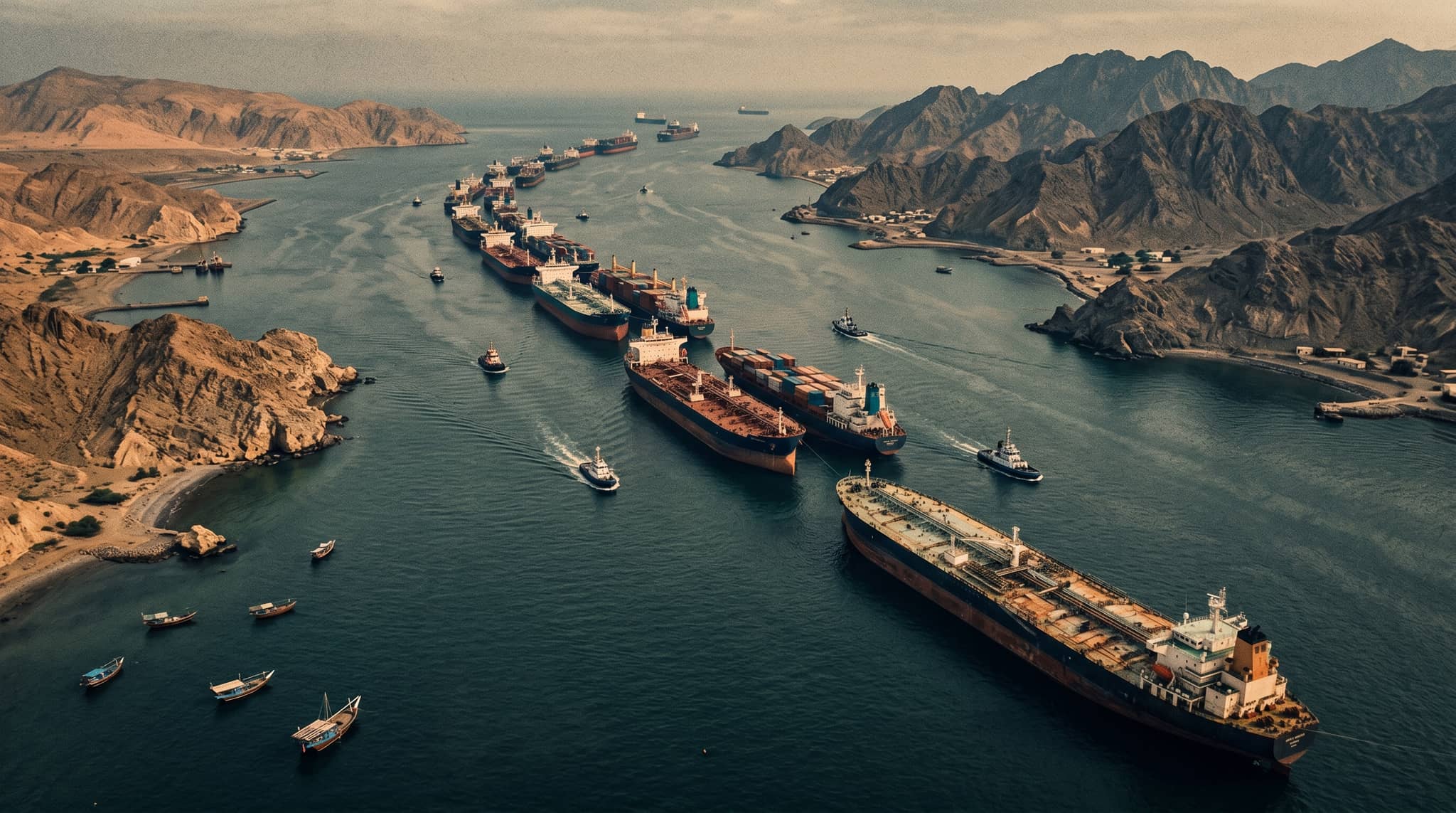
Traffic through the Strait of Hormuz remains severely disrupted after three months, with only a handful of vessels passing daily compared with a normal average of 100 cargo ships, according to CNN reporting on June 2. The choke point, which handles about 20 percent of the world's oil supply, has seen transit levels collapse as a result of the ongoing US-Iran deadlock and conflict.
In April 2026, just 191 vessels crossed the strait — approximately 5 percent of the pre-war average, according to data from maritime analytics firm Kpler cited by CNN. Gulf News described the waterway as a ghost route in a June 2 report, underscoring the extent of the paralysis that has disrupted global energy markets for months.
The resolution of any market tied to the strait's return to normal is set to depend on transit-call data published by the International Monetary Fund's Portwatch platform, which tracks vessel movements through the channel. As of early June, no official Portwatch data had indicated a sustained return toward the 60-ship threshold often cited as normal.
The key catalyst that could shift the situation remains a US-Iran peace agreement or ceasefire that guarantees safe passage. Absent such a diplomatic breakthrough, the prospect of a full normalization of traffic by the end of June appears distant, with no specific timetable from maritime authorities or the IMF for a recovery.