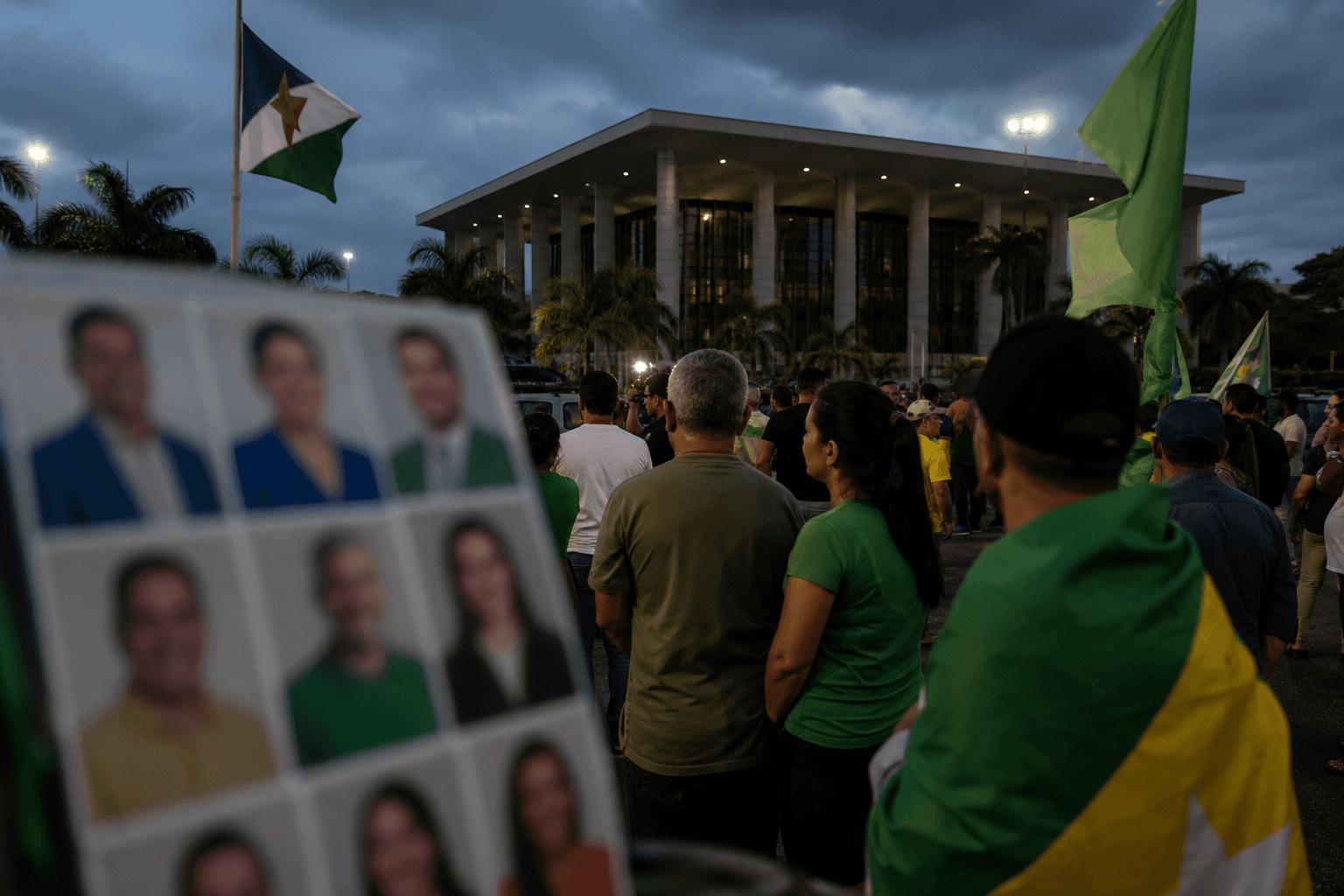
Roraima's Senate race has moved into the kind of late summer stretch where a small lead can mean a lot and still settle very little. Teresa Surita, the former five time mayor of Boa Vista and one of the state's best known political figures, is back at the center of a statewide contest that now looks far more open than her name recognition alone would suggest. With two Senate seats on the ballot, a crowded field and the gubernatorial race tugging at the same alliances, the question is no longer whether Surita belongs in the top tier. It is whether she can turn a narrow polling edge into a durable advantage before better organized conservative rivals decide which lane to consolidate behind.
The freshest public evidence points to a race that is competitive but tilting in her direction. A Quaest survey published on August twenty eighth and summarized by local outlet Roraima Em Tempo put Surita first in the first vote for Senate with twenty six percent, ahead of Nicoletti on twenty and Helena da Asatur on nineteen. When the poll aggregated both Senate choices available to each voter, the same three candidates remained bunched together, with Surita on nineteen, Nicoletti on seventeen and Helena on sixteen. That gap is real but modest, and it sits alongside a strikingly large bloc of undecided voters. UOL's state candidate list also underscores how fractured the field remains, with incumbents, local figures and party loyalists all still competing for space in a contest where familiar names may not be enough.
Prediction markets are reflecting that uncertainty rather than treating the race as settled. On Polymarket's visible Breaking board this afternoon, the Teresa Surita first place contract ranked seventh among the day's biggest movers and priced her at about a thirty percent chance to finish on top, only a little ahead of Nicoletti. That narrow lead matches the broader picture from the poll: Surita may have the clearest current path, but traders are still assigning substantial probability to a late reshuffle in a state where campaign organization, turnout and second choice behavior can change the order quickly.
The broader Roraima backdrop helps explain why. Folha's latest reporting on the gubernatorial race showed Arthur Henrique with a commanding lead over interim governor Soldado Sampaio, a result that could reshape how national and local parties deploy resources across the whole October ballot. Surita benefits from long standing visibility and an established municipal record, but she is also competing in a state where the right remains powerful, Bolsonaro aligned names still matter and local alliances can move fast once campaigns stop introducing themselves and start choosing targets. That means the next few weeks are likely to be less about biography than about coalition discipline. If Surita can keep the anti incumbent and centrist vote from splintering further, her edge becomes more meaningful. If her rivals find a cleaner way to merge conservative strength with the momentum from the governor's race, the apparent front runner could find that leading in August was only the beginning of a much harder argument.