Texas Republicans expected this Senate race to be a straightforward hold after Ken Paxton pushed past John Cornyn in the primary and lined up Donald Trump's support. Instead, the contest has settled into a bruising and unusually unstable general election in which James Talarico has kept dragging the campaign back toward the questions that have shadowed Paxton for years. The Democratic nominee is trying to turn a deep red state's marquee race into a referendum on scandal, credibility and exhaustion with the old Texas playbook. That argument would have sounded far-fetched a year ago. Late August now looks different. The race is close enough that every new legal wrinkle, spending decision and turnout test is being treated as evidence that Texas may be more competitive than either party expected.
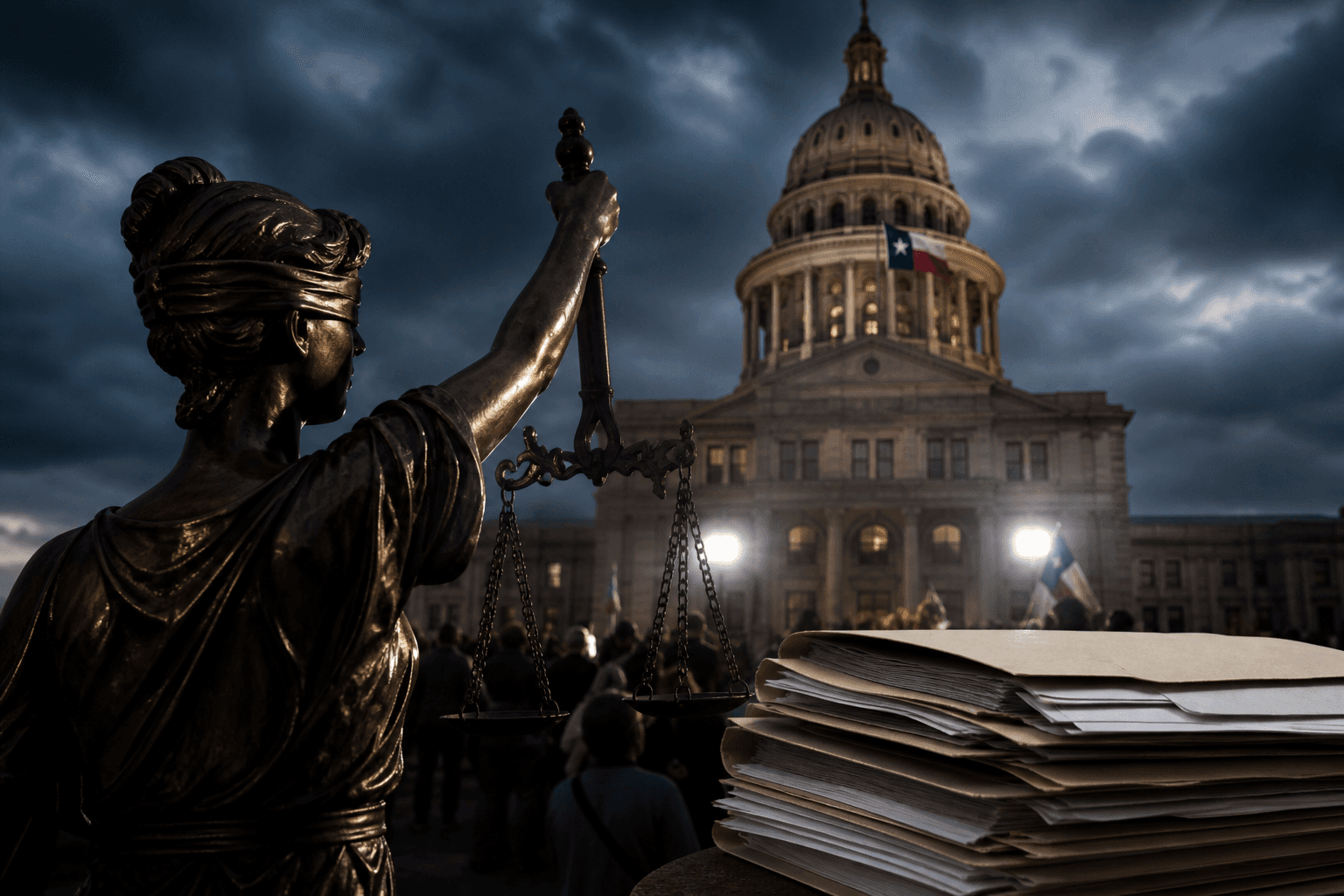
The latest jolt came Wednesday, when Talarico's campaign asked a Collin County court to unseal depositions Paxton gave in a years-old securities fraud dispute tied to an energy investing fight. The Associated Press reported that the filing is meant to force more of Paxton's past back into public view at the precise moment Republicans want the race centered on national issues and border politics instead. The move landed on top of an already awkward stretch for Paxton. Texas Tribune's statewide tracker, updated Tuesday afternoon, says the Democrat has held a slight edge in most recent public polling and leads the latest survey by three points. That combination matters because it suggests the race is no longer being driven by one isolated attack line. Talarico is pairing fresh pressure on Paxton's ethics record with a broader case that swing voters and uneasy Republicans are willing to consider an alternative.
Prediction markets have moved to the same conclusion without declaring a winner. On Kalshi's visible Texas Senate card, the race is essentially split down the middle, with James Talarico and Ken Paxton separated by about a point depending on the contract and side of the book. That near-even pricing does not prove how Texans will vote, but it does show how far the campaign has moved from the old assumption that Republicans would coast once the primary ended. Traders are treating this as a live toss-up, not as a symbolic protest race in a state that always snaps back to form.
What happens next will determine whether that opening lasts. If the court fight over Paxton's sealed testimony produces new details or drags his legal history back onto front pages through September, Talarico gains more chances to keep the campaign anchored in character and trust. If Paxton and allied groups succeed in reframing the race around party identity, immigration and turnout among habitual Republican voters, the state could still reassert its familiar lean. Texas remains expensive, sprawling and difficult terrain for Democrats, and history still argues for caution. But the late-summer evidence now points to a harder truth for Republicans: this is not a race they can safely treat as routine. It is one they may have to win the hard way, with persuasion, money and a candidate who spends the fall answering for more than his platform.