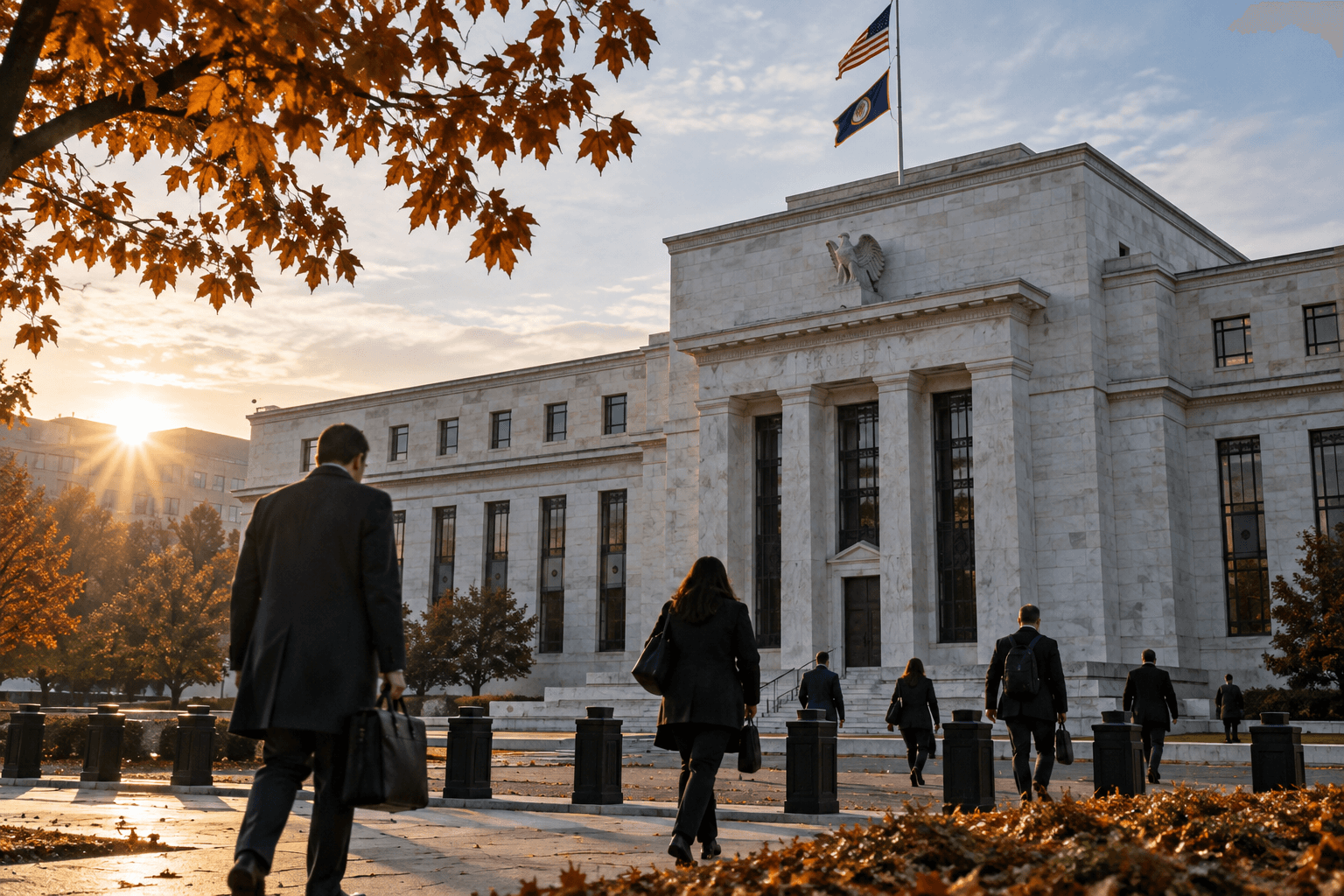
The Federal Reserve has raised interest rates for the first time since 2023, ending a long easing cycle and putting its October meeting at the center of the economic debate. The Federal Open Market Committee voted unanimously Wednesday to lift the federal funds target range by a quarter percentage point, to 3.75% to 4%. In its statement, the committee said economic activity continued to expand at a solid pace, job gains remained low and the unemployment rate had edged up. It also said inflation had risen and remained elevated, language that explains why officials judged a return to tighter policy necessary.
The decision was a reversal from the rate cuts that began in 2024, and it came as renewed inflation pressure complicated the Fed's effort to balance stable prices with maximum employment. Higher borrowing costs can cool demand, but their effect reaches households and businesses unevenly through mortgages, credit cards, auto loans and corporate financing. Treasury yields rose after the announcement, while the dollar strengthened against major currencies. Investors are now trying to determine whether Wednesday's increase was a one-time adjustment or the opening move in a longer tightening phase.
Kalshi's October decision event reflected that uncertainty Thursday morning. The contract for the Fed to leave rates unchanged at its October 28 meeting traded near 55%, down from a previous 63%, while the contract for another quarter-point increase stood near 46%, up from 38%. The mutually exclusive outcome family had recorded about $620,000 in activity over the latest day and roughly $1.5 million overall. Those prices describe trader expectations about the next meeting; they are not a forecast issued by the central bank, and they can change rapidly as new data arrive.
The next decision will depend heavily on evidence released before policymakers reconvene. Officials will see another round of inflation data, employment reports and revisions to earlier economic estimates. A pause could signal that the committee wants time to measure the effects of this week's increase. A second hike would suggest officials see persistent price pressure as a larger risk than the recent softening in hiring. Financial conditions matter too: rising bond yields or a stronger dollar can tighten the economy even without another policy move.
For households and companies, the practical message is that the path of borrowing costs has become less predictable. The committee emphasized that future decisions will consider incoming data, the evolving outlook and the balance of risks rather than follow a preset course. That leaves the October meeting genuinely open after a unanimous September vote. The clearest signals will come from upcoming inflation and labor reports and from speeches by Fed officials explaining what would justify either a pause or another increase. Until then, the first hike in nearly three years has replaced expectations of steady relief with a live debate over how much restraint the economy still needs.