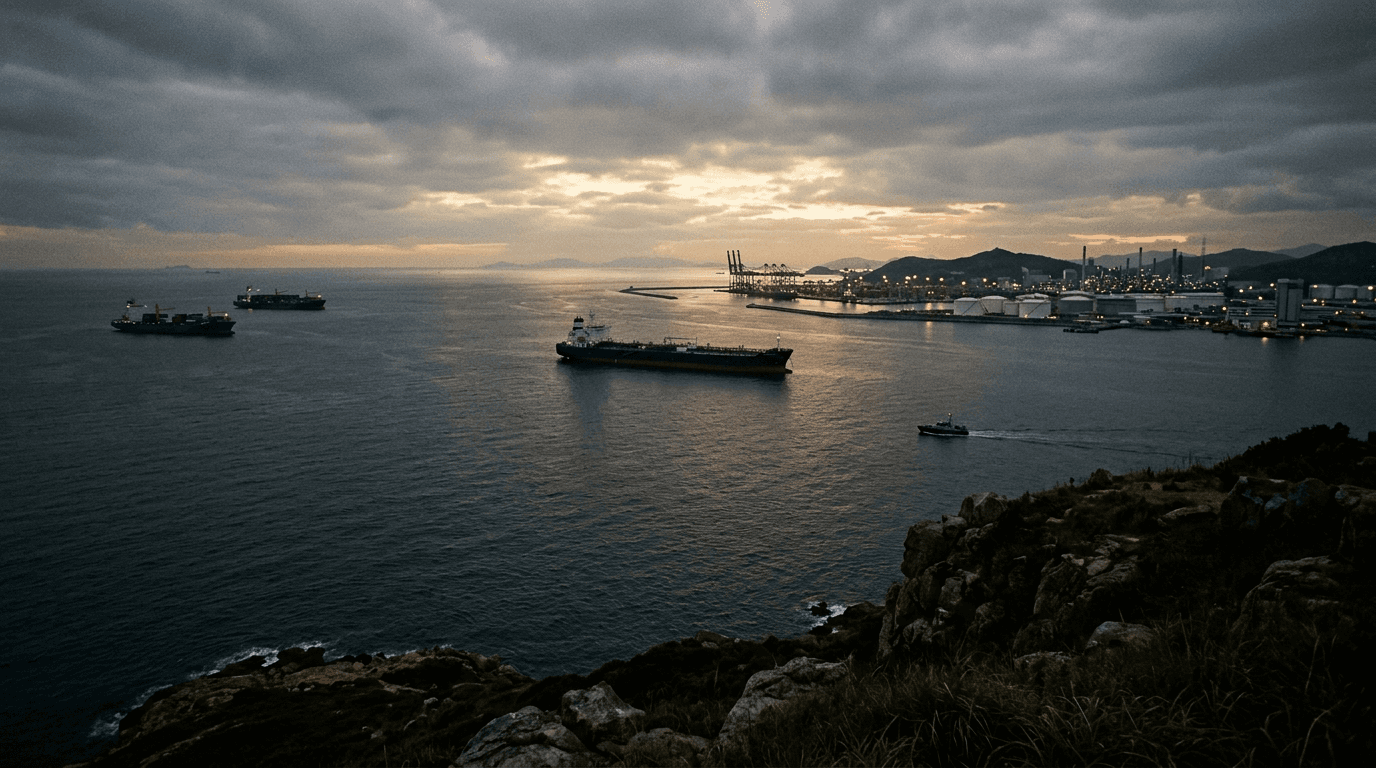
Whether ships can move through the Strait of Hormuz at anything like their old pace bears on oil supply and the fuel prices that follow. On that question, Polymarket traders see little chance of a quick fix. as of 2:41 p.m. ET on Nov. 25, they put the chance that traffic does not return to normal this year at 97%, up 8 points over the week. That is a thin book, with $1K in trading over the last day. The contract for a return in November sits at 0%, also thinly traded.
The rest of the ladder pushes the question into next year, without agreeing on when. Traders put the chance of no return to normal at any point next year at 64%, up 15 points over the week, on a very thin book with $109 in trading over the last day. The individual months are small numbers. October is the highest at 9%. August is at 8% and April at 7%. February and May are both at 6%. Several of these contracts have barely traded, so they are better read as a rough sketch of doubt than as a schedule. What the ladder says clearly is that traders expect the wait to be long. It does not say when it ends.
The bar for "normal" in this market is demanding. The threshold traders use is an average of at least 60 commercial crossings a day. The recent average has been 6.9 a day. The busiest month since the war began, June, averaged 12.9 AIS-visible transits a day on the IMF PortWatch count. A separate tally put AIS-visible ship traffic at roughly 9% of its pre-war rate. The picture for oil is less bleak than the ship counts. Kpler put oil clearance at about half of pre-war levels, and Brent crude last settled at $89.37 in its most recent completed session, well below its March peak. A low ship count does not mean oil is stuck, which is one reason a reading of "nothing moves until next year" overstates what the market is saying.
The politics explain why traders are patient. Iran declared the strait closed to hostile shipping when the war began on 28 February 2026. The US reimposed its naval blockade of Iranian ports from 14 July after a ceasefire collapsed. Iran says the strait will not reopen until the US meets its conditions, conditions that include lifting sanctions and the blockade. On the last day of October, Iran said talks with Qatar had cut its reopening plan to two days: the US would act on the first day and the strait would reopen on the second, provided Iran's conditions are met. The US has not accepted those conditions, and no agreed date exists.
Even a deal would not settle the question. A report carried by The Tribune quoted the analyst Zeynab Malakouti on the point: the reopening of the Strait will not automatically restore normal operations, given the need for mine clearance, traffic management and security arrangements. It is not yet clear how long those steps would keep traffic below the market's threshold after a political agreement, or whether that threshold captures the conditions shipping will actually face. The market is split on timing, thinly traded, and unanimous mainly that this year will not be the one. Anyone planning around a quick return has little in either the diplomacy or the numbers to lean on.