Jensen Huang’s departure from Nvidia has sharpened questions about whether President Donald Trump will continue to engage with the former chief of one of the world’s most consequential technology companies. Huang had been a prominent voice on U.S. artificial-intelligence policy and advocated for issues including chip exports to China. Those policy questions give the relationship significance beyond whether two powerful figures meet: their interactions are relevant to scrutiny of how the administration handles sensitive technology. Still, the question at issue is narrower than the broader policy debate. A recent phone call is not evidence that the two will meet in person again before the end of the year.
Kalshi traders put the chance of an in-person meeting before the new year at 17% as of 7:46 a.m. ET on Nov. 15. The price was up 9 points in the last day. That market reading measures the possibility of a meeting; it does not establish that one is planned. Trading was limited to 497 contracts traded over the last day, with 3,733 contracts open. Those figures describe activity in this contract, not evidence of a meeting arrangement. The contract’s trading deadline is Dec. 31; that is when trading closes, not an indication of when or where a meeting might happen.
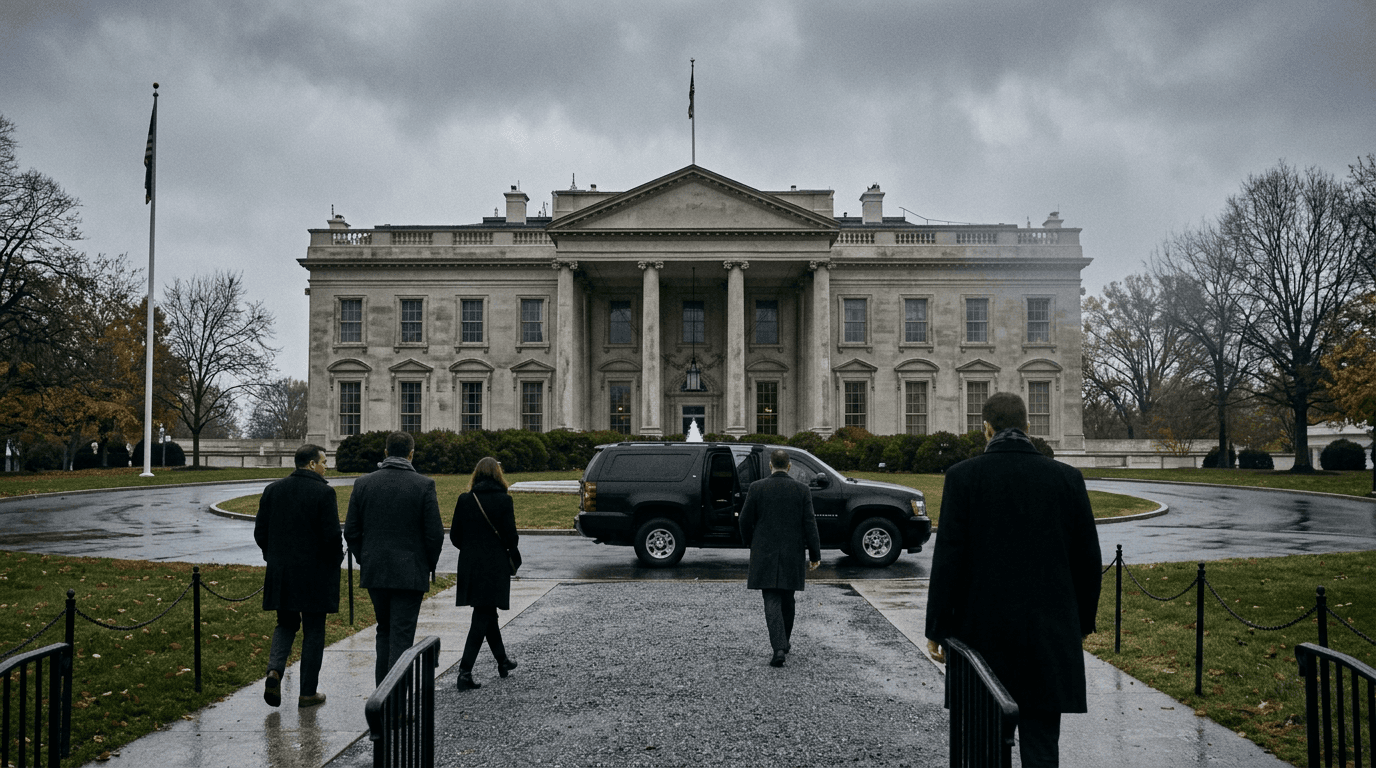
Trump and Huang have met before: their first meeting was at the White House. More recently, Trump called Huang and urged him to fight to keep his job, according to CNBC. Nvidia later announced Huang’s resignation and named Colette Kress interim CEO. The call and their history make another encounter conceivable, but neither confirms an in-person meeting. Nor does the company’s leadership change itself resolve whether Trump and Huang will continue to engage. The market’s price reflects the unsettled outcome, rather than a reported commitment by either man.
The relationship is also under greater scrutiny. CNBC reported that Huang’s resignation followed reports about personal relationships, including an allegation involving a woman suspected by U.S. intelligence of being a Chinese spy; that allegation is not established as fact here. Separately, Senator Tim Scott requested public testimony from Huang and Commerce Secretary Howard Lutnick as lawmakers raised national-security concerns. Scott requested testimony for December 3rd and December 10th. That scrutiny could make a public meeting politically sensitive. At the same time, Trump’s recent support for Huang and the pair’s past contact leave room for another encounter. Neither interpretation settles whether they will meet face-to-face.
Trump was expected to travel to Shenzhen for the APEC leadership meeting on Nov. 18, but the reporting does not establish that he would meet Huang there. Whether Huang will attend an event with Trump, or whether congressional scrutiny will affect the administration’s engagement with him, remains unsettled. The uncertainty matters because Huang had been a prominent participant in debates over U.S. AI policy and chip exports to China, yet a possible meeting alone would not reveal what either man intends on those issues. For now, the market registers a possibility rather than a plan: Trump and Huang have spoken, but whether they meet in person again before the year ends remains an open question.