Donald Trump and New York Mayor Zohran Mamdani have met in person, so the live question is no longer whether they will sit down. It is whether their conversation can produce federal support for housing proposals in a city where the cost of living is a central concern. Their meeting included discussion of cost of living and housing issues; it did not yield an announced funding commitment or a timetable for construction. The distinction between agreeing to talk and agreeing to act is central to what the meeting does—and does not—show.
One proposal in the discussion is Sunnyside Yard, a development envisioned to put homes and community facilities over the rail yard. Trump and Mamdani agreed to move the discussions to their respective teams, describing the next step as a new level of that conversation. That is an opening for further work, not an agreement to build. The reporting on the meeting says the leaders announced no a dollar figure, construction timetable or legislative agreement. The proposal’s scale makes the unanswered questions consequential, but the packet establishes no commitment to deliver it.
Trump said the project would need federal approvals and probably some federal money, but he did not pledge federal funding. That distinction matters: a statement that federal money may be needed is not a commitment to provide it. The available account leaves open what the City Hall and White House teams will propose, whether federal approvals or funding will follow, and whether the project will move toward construction. Until those steps are clear, the public record is a discussion and a decision to continue discussing—not a financing plan or construction schedule.
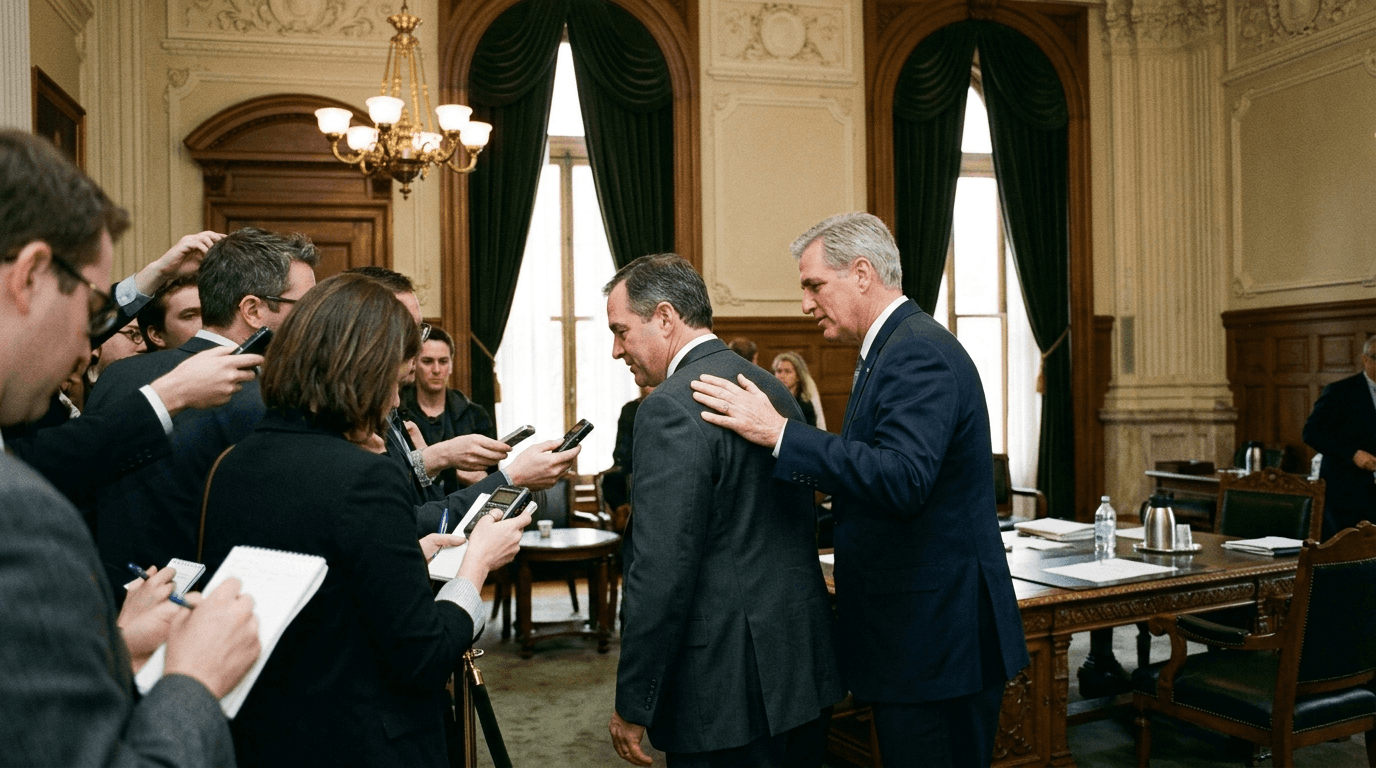
The encounter also drew political criticism. Some Republicans argued that a cordial meeting with Mamdani could complicate their campaign message. But a veteran Republican consultant offered a different interpretation: cooperation between the federal government and a city is part of the president’s role. The meeting alone does not establish an endorsement or show how voters will respond. With housing still unresolved, the practical test is what, if anything, comes out of the follow-up talks. Both interpretations can coexist: the meeting may be politically useful to its participants while also being an ordinary exercise in working across levels of government.
Kalshi’s contract asks whether Trump and Mamdani will meet in person before November; it remains open even though the meeting has already taken place. The market therefore captures a contract question, not a useful account of what happened or what the talks may deliver. Its displayed probability is 15% as of 3:56 p.m. ET on Sept. 30, but the contract recorded 0 contracts traded over the last day. That absence of recent trading is a reason not to treat the price as a meaningful measure of current belief. The consequential uncertainty lies elsewhere: whether the teams can turn a discussion about Sunnyside Yard into a concrete proposal, and whether the federal government will back it. For readers, that outcome matters more than the completed meeting itself: a proposal would still need decisions about approvals and money before construction could become a reality.