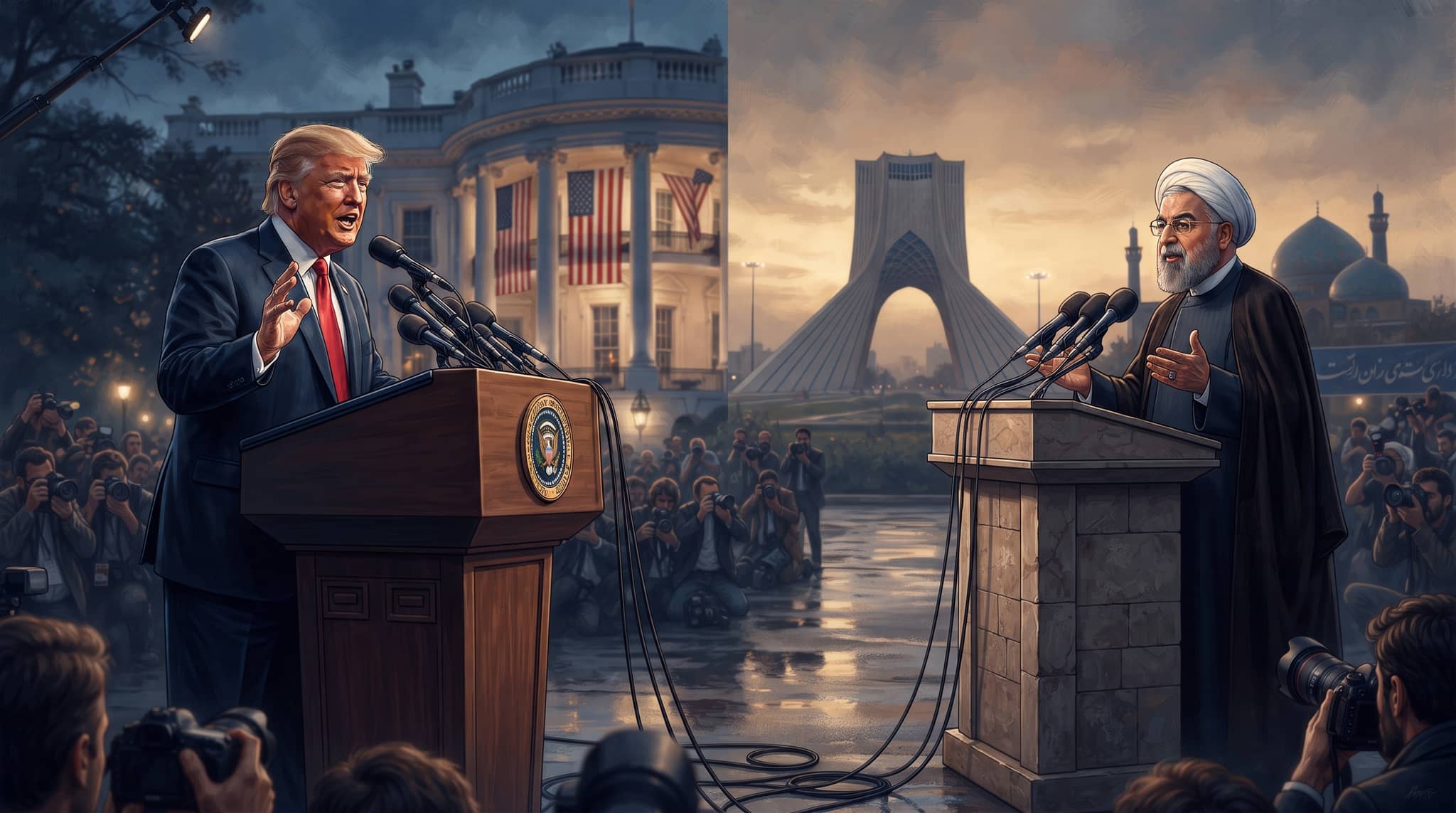
President Donald Trump called off planned massive strikes against Iran on August 2, describing them as 'the biggest attack since World War II,' and announced that new U.S.-Iran talks would begin Monday. The statement came as the conflict entered its sixth month without a sustained pause in hostilities.
Iran immediately contradicted the president. Foreign Ministry spokesperson Esmaeil Baghaei said Tehran 'currently do not have negotiations with America' and was instead engaged in talks with Oman over transit through the Strait of Hormuz. The disconnect highlighted the lack of a direct diplomatic channel between the two sides.
The conflict, which began with U.S.-Israeli air strikes on February 28, has see-sawed through repeated ceasefire cycles that collapsed within days. Trump declared the ceasefire 'over' on July 8, and the U.S. resumed what one report described as 'nearly two weeks of consecutive strikes.' A brief pause over the July 25 weekend ended when Iran launched missiles at U.S. forces in Jordan on July 28.
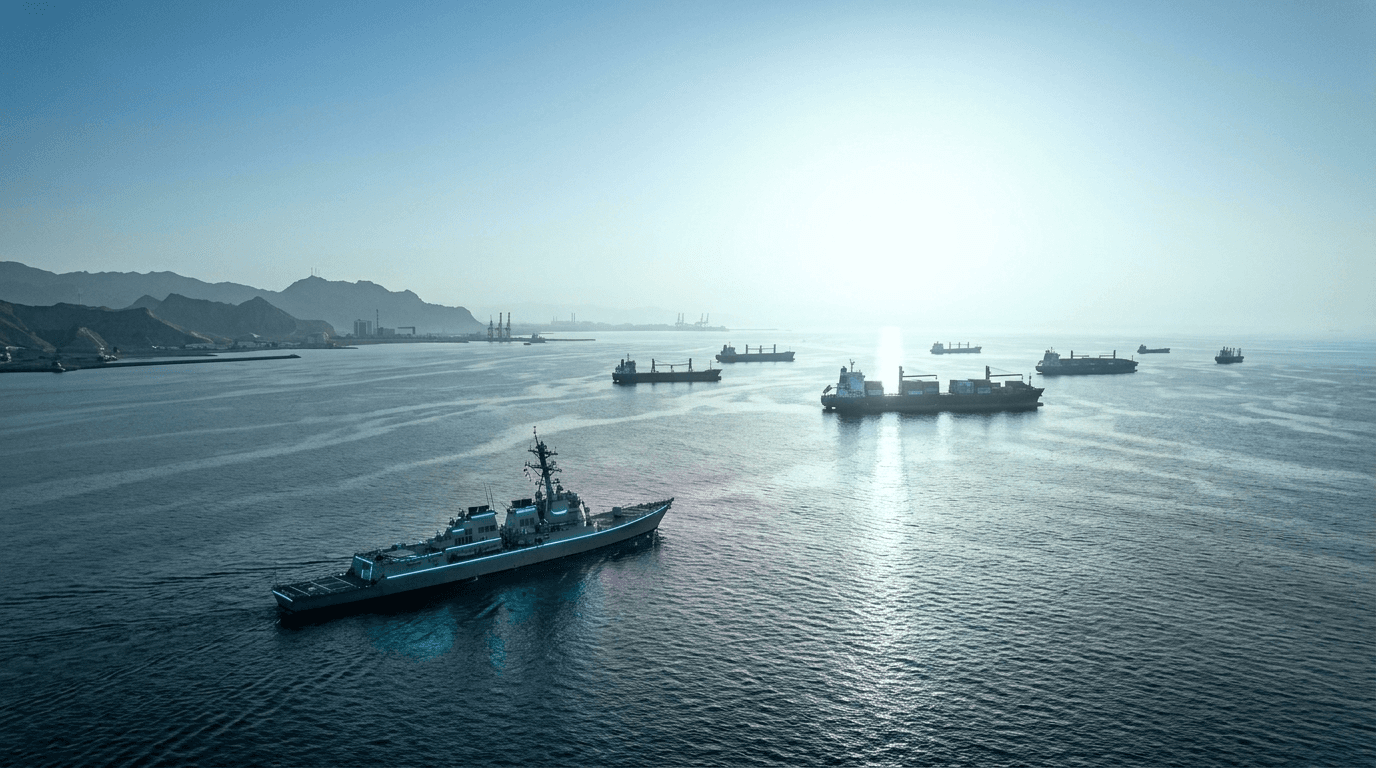
Commercial shipping through the Strait of Hormuz, a critical global chokepoint, showed strain. Trade analytics firm Kpler recorded 51 vessel crossings between July 30 and August 2, down from 71 in the prior four-day period, a decline of about 28%.
A prediction market tracking the possibility of a 14-day continuous pause in U.S. strikes against Iran by July 31 had reflected shifting expectations, though no such pause occurred. The next test will be whether any talks — if they actually begin — can produce a halt to the fighting, a prospect that remained uncertain as Tehran dismissed direct negotiations.