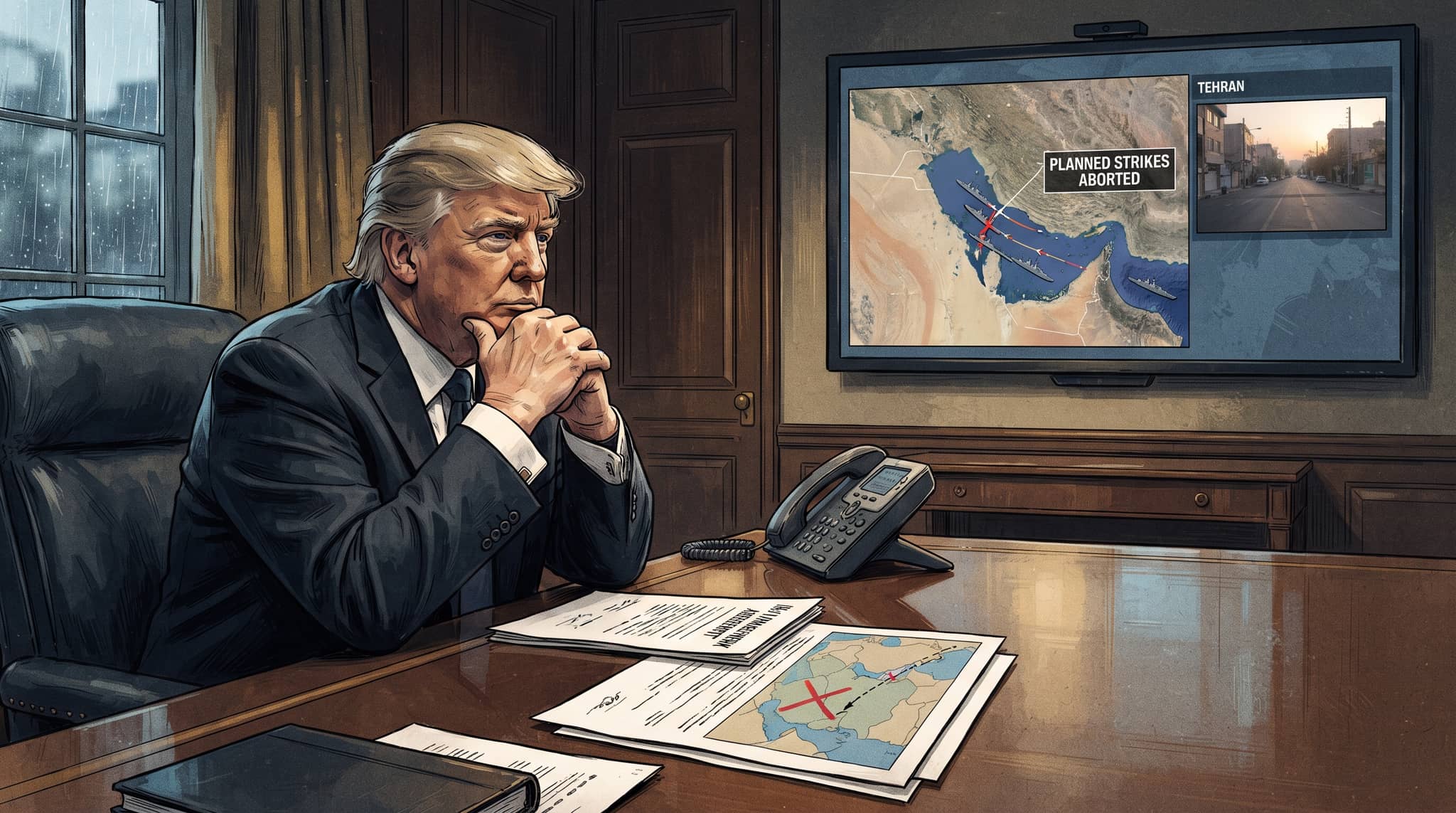
President Donald Trump said on August 2 that he had cancelled planned military strikes against Iran, stating that the 'perimeters of a deal' had been agreed upon. The proposed framework includes reopening the Strait of Hormuz and ending Iran's nuclear threat, according to Trump's public statement.
The announcement follows the breakdown of a temporary ceasefire established in June. The US reimposed a naval blockade on Iranian ships on July 13 after a memorandum of understanding from June 17 unraveled over control of the strategic waterway, escalating tensions further.
Iran immediately pushed back against Trump's account. Mehr news agency quoted military officials calling the claim that Tehran requested the US hold off on strikes 'nothing but a new lie,' underscoring the deep distrust between the two sides.
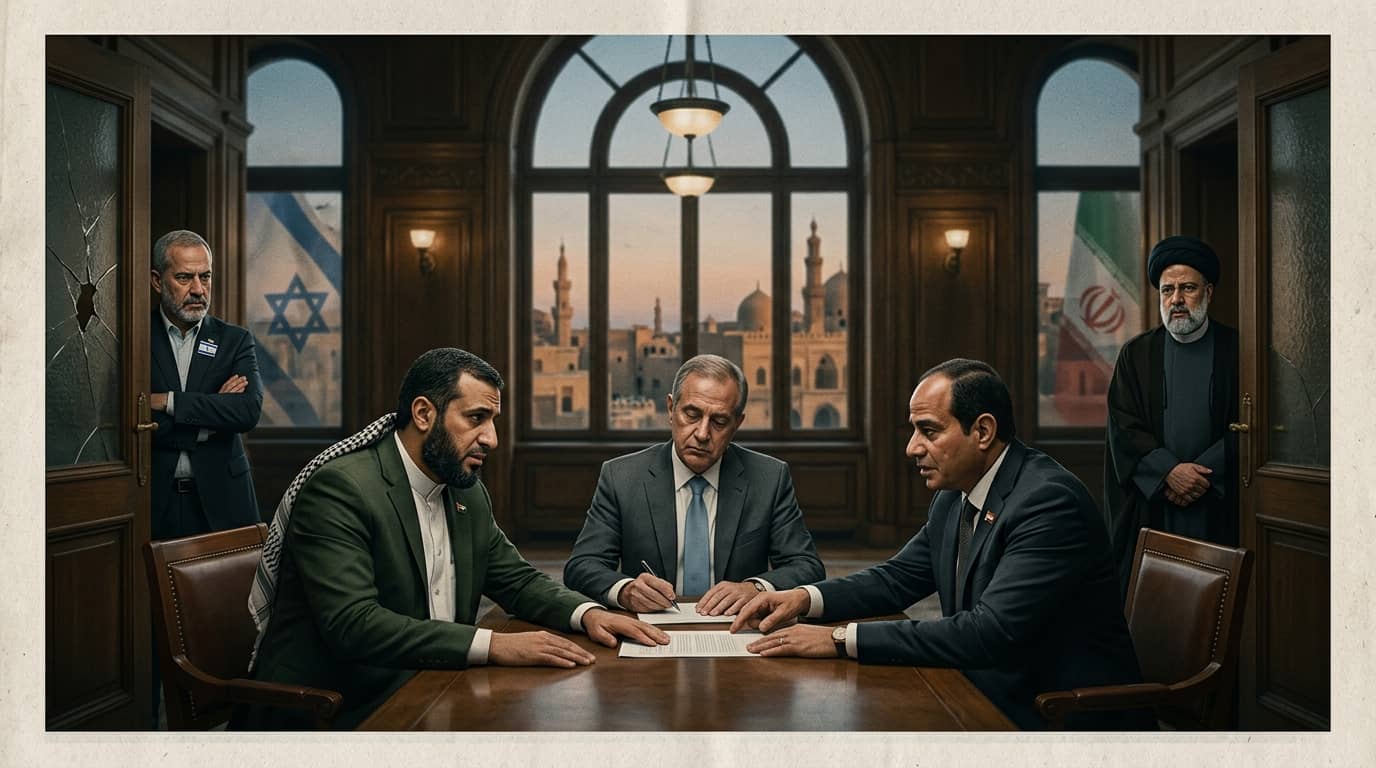
The diplomatic landscape also involved regional actors. Saudi Crown Prince Mohammed bin Salman spoke with Trump on August 2, urging caution about potential strikes and expressing concerns over retaliation against Gulf energy infrastructure, according to reports.
The market pricing of a 51% chance for an effective US-Iran ceasefire by July 31 shifted dramatically over the final day of trading, reflecting the rapidly evolving diplomatic and military situation. The next step hinges on whether a formal agreement can be reached and implemented, with Iran's rebuttal and Saudi mediation adding layers of uncertainty.