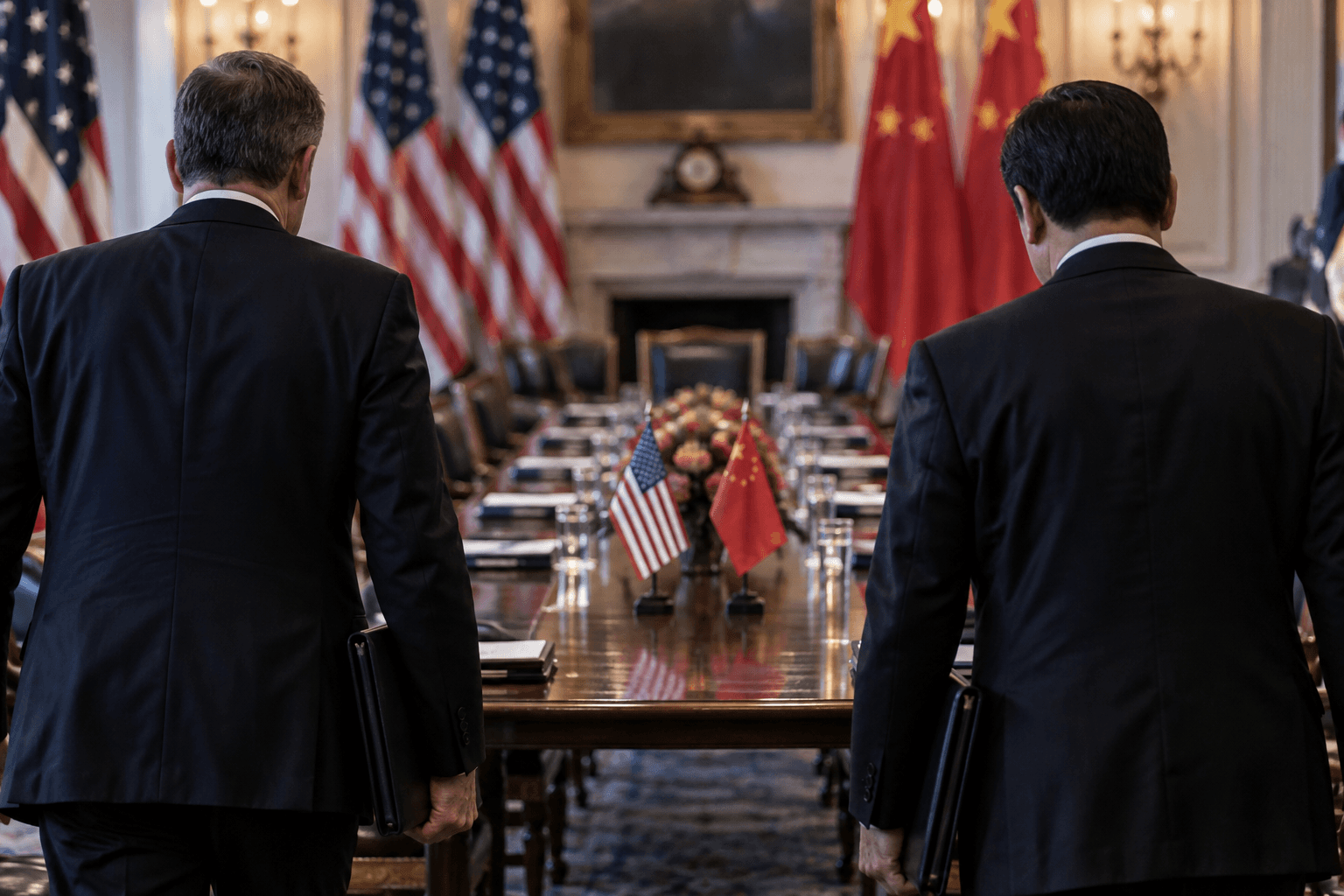
President Donald Trump has rejected an Iranian proposal for a seven-day ceasefire, according to reports citing The Wall Street Journal, sharply reducing the immediate prospect of a diplomatic pause in the conflict. Iran’s offer was reported to include reopening the Strait of Hormuz and resuming nuclear negotiations in exchange for American concessions. Trump instead expects to consider renewed military action after the November midterm elections if Tehran does not accept United States terms, the reports said. The refusal arrives days after mediated contacts around the United Nations General Assembly revived discussion of ending the fighting and restoring commercial passage through one of the world’s most important energy corridors.
The proposal linked several disputes that are difficult to settle separately. Reopening the strait could relieve pressure on shipping and energy markets, while renewed nuclear talks would require agreement on enrichment, inspections and sanctions relief. A temporary truce might create space for those negotiations, but it would not resolve the underlying security conflict or guarantee that either side could enforce commitments by regional partners. Iran International reported that Tehran was prepared to close the strait again if the United States failed to honor an agreement, underscoring how quickly a ceasefire could unravel. Washington’s reported demand for broader concessions makes a short, confidence-building pause less likely even as both sides retain reasons to avoid another round of strikes.
Polymarket traders cut the chance of a senior United States-Iran diplomatic meeting by the end of September to about fourteen percent Friday morning, down roughly sixteen percentage points over the prior day. The selected market had about eight thousand six hundred dollars in latest-day activity and nearly twenty-six thousand dollars overall, while related dates attracted additional trading. Those are market-implied odds, not a diplomatic timetable, and a meeting can still emerge through intermediaries or a sudden policy shift. The move nevertheless tracks the immediate consequence of the reported rejection: only a few days remain for officials to arrange a qualifying senior encounter before the September deadline.
Attention now turns to whether mediators can salvage pieces of the offer rather than the entire package. A shipping arrangement, prisoner issue or technical nuclear contact could proceed without a comprehensive ceasefire, while public rhetoric may also mask quieter exchanges. The earlier United Nations diplomacy showed that channels remain available, but the reported refusal raises the price of restarting them and leaves military planning in the background. Confirmation from the White House or Tehran, any new mediator statement and observable changes around the Strait of Hormuz will be the clearest signs of whether talks are merely delayed or moving toward collapse. Until then, the gap between a temporary pause and a durable settlement remains wide, and the next mediator contact could prove decisive.