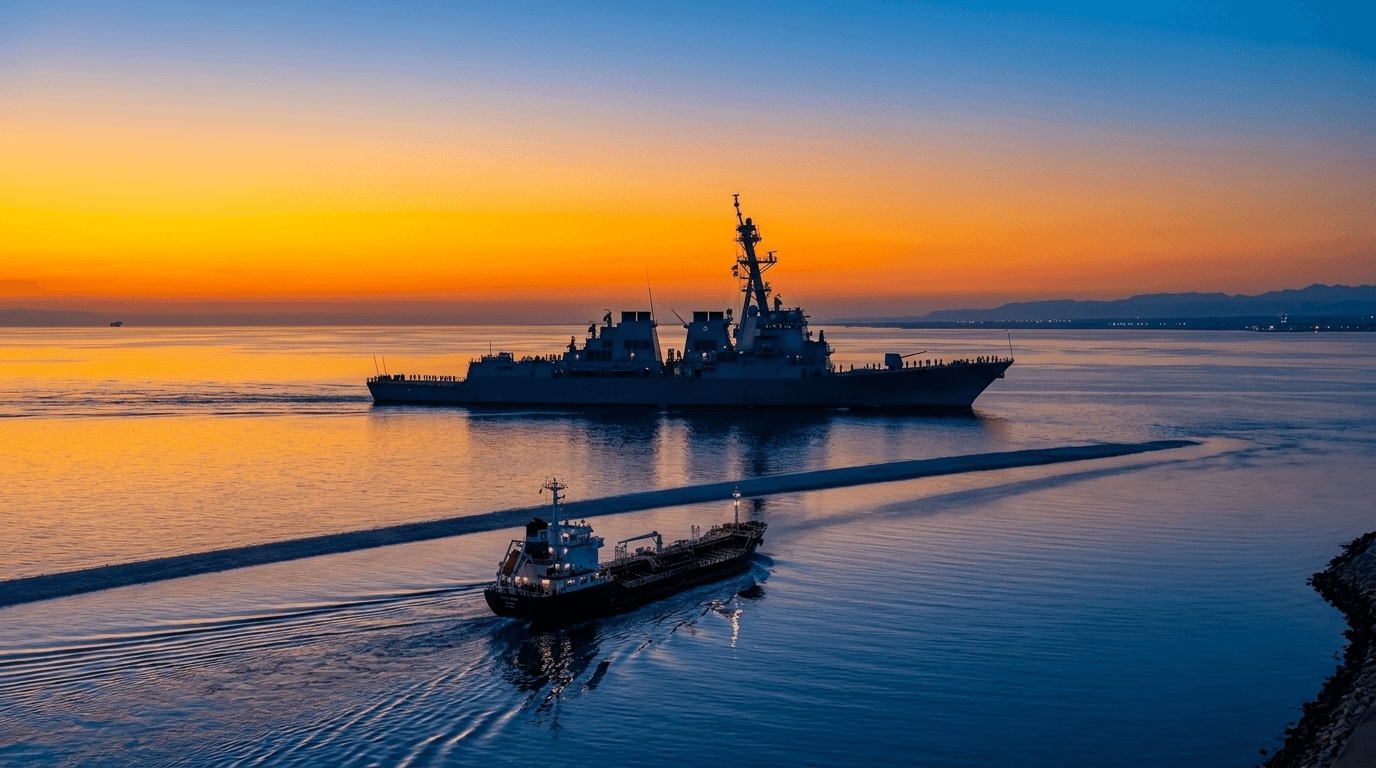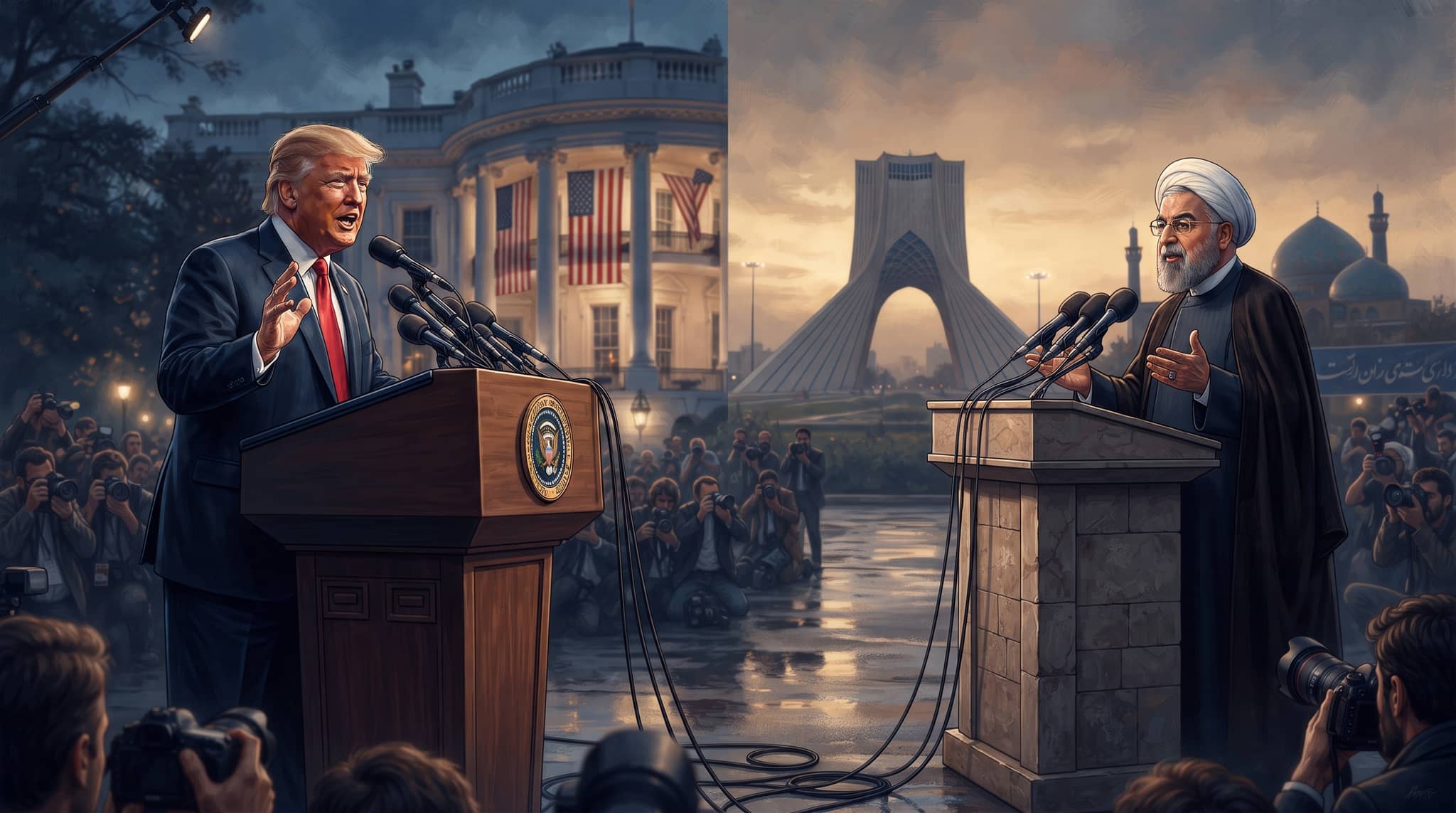
President Donald Trump announced on August 2 that he had called off planned massive strikes on Iran and that new U.S.-Iran negotiations would open on Monday, August 3. The talks, according to Trump, would address the reopening of the Strait of Hormuz and Iran's nuclear program. The announcement came amid heightened tensions in the region, where a tanker on August 2 reported an explosion near the strait's mouth.
Iranian officials swiftly contradicted the president's claim. Foreign Ministry spokesman Esmaeil Baghaei said on August 3: "We are not currently negotiating with the United States. Our negotiations are with Oman to secure passage through the Strait of Hormuz." Foreign Minister Abbas Araghchi backed that denial, saying Iran was in the final stages of talks with Oman over a new safe passage route.
The contradiction injects deep uncertainty into whether a formal senior-level U.S.-Iran meeting can occur before August 15, even as the Strait of Hormuz's disruption deepens. Commercial shipping through the waterway fell roughly 28% over the four-day period ending August 2, with only 51 vessel crossings recorded, according to Kpler vessel tracking data.
Global oil markets reacted sharply to the developments. Brent crude fell 4.5% to $83.98, and West Texas Intermediate dropped 4.6% to $80.74 on August 3, reflecting reduced near-term expectations of a broader conflict. Separately, the research unit BMI raised its estimated probability of a military escalation to 35% from 25%, citing rising tensions.
The next catalyst is any formal announcement from the White House or Iran's Foreign Ministry of a scheduled in-person meeting between senior representatives. Without that, the diplomatic path remains unclear.