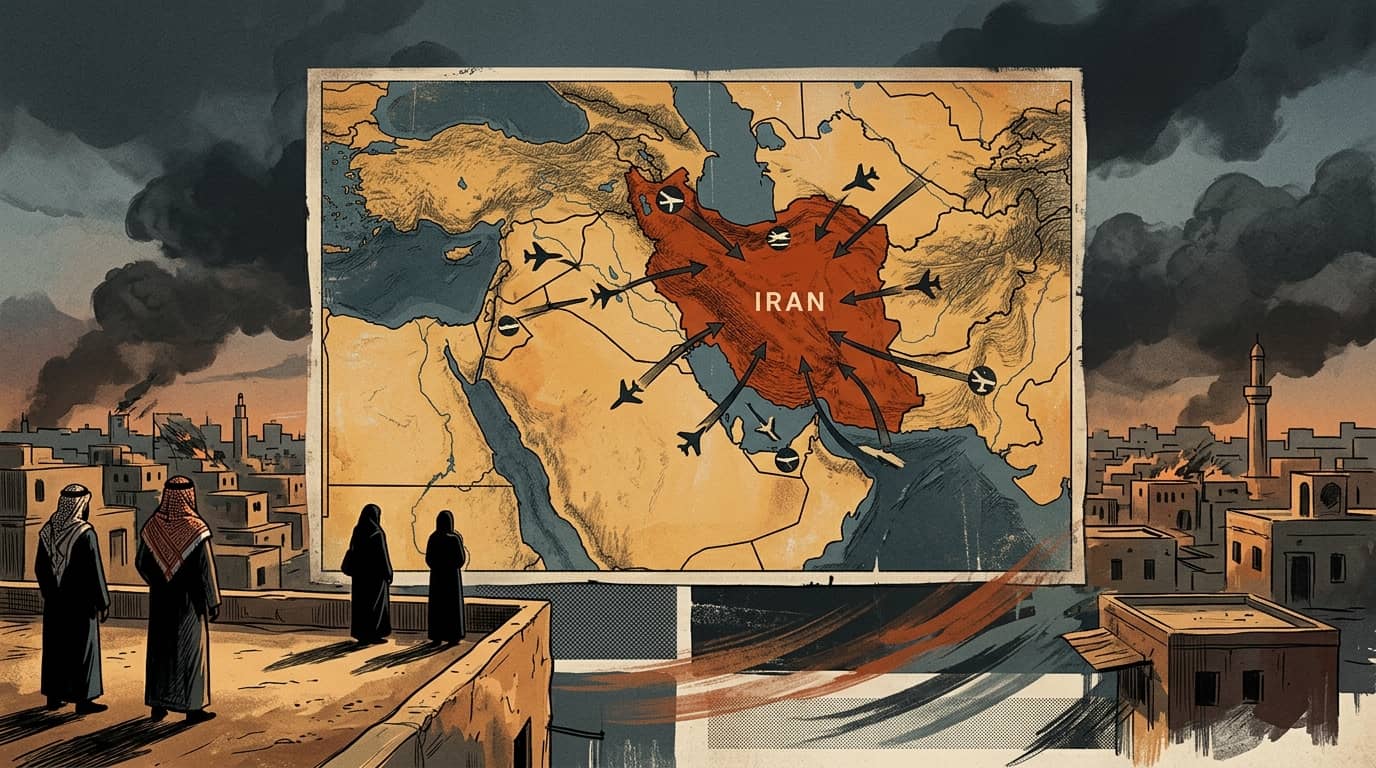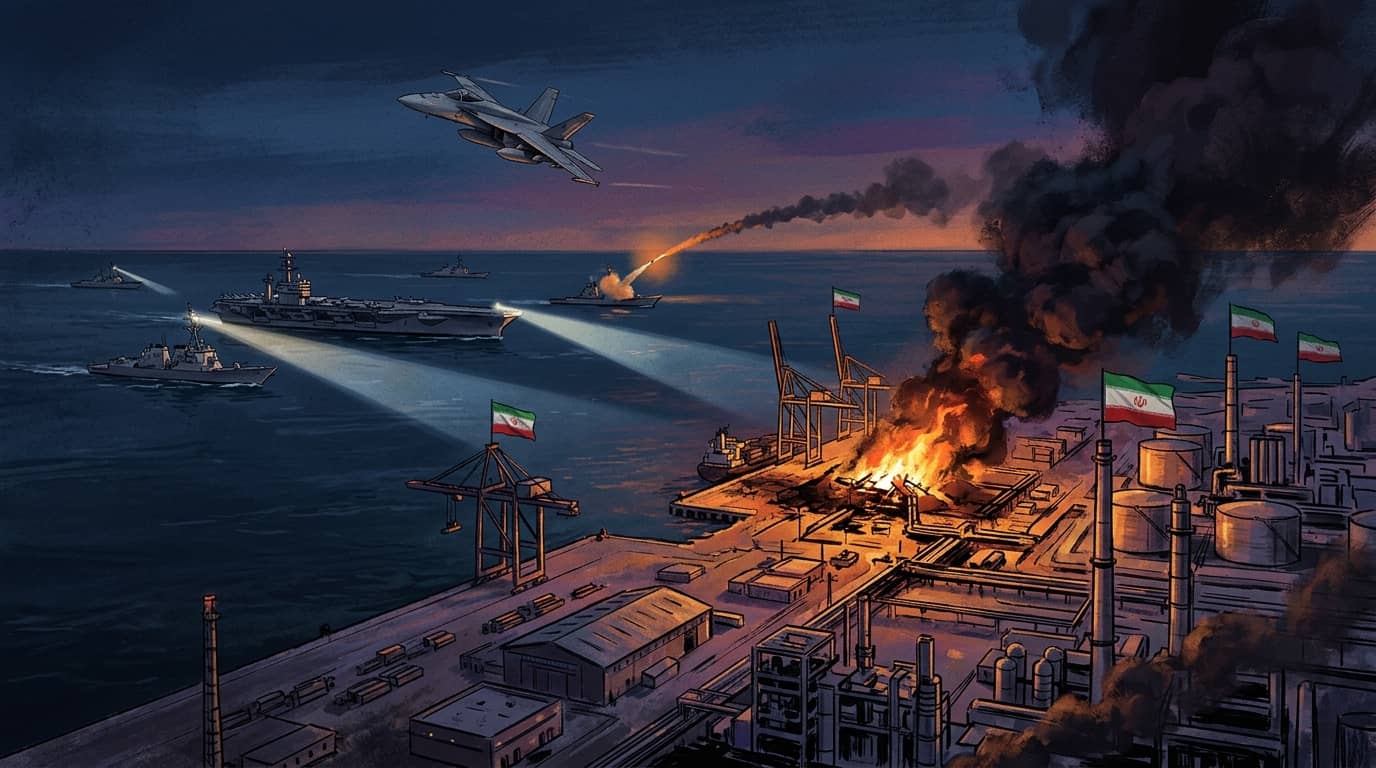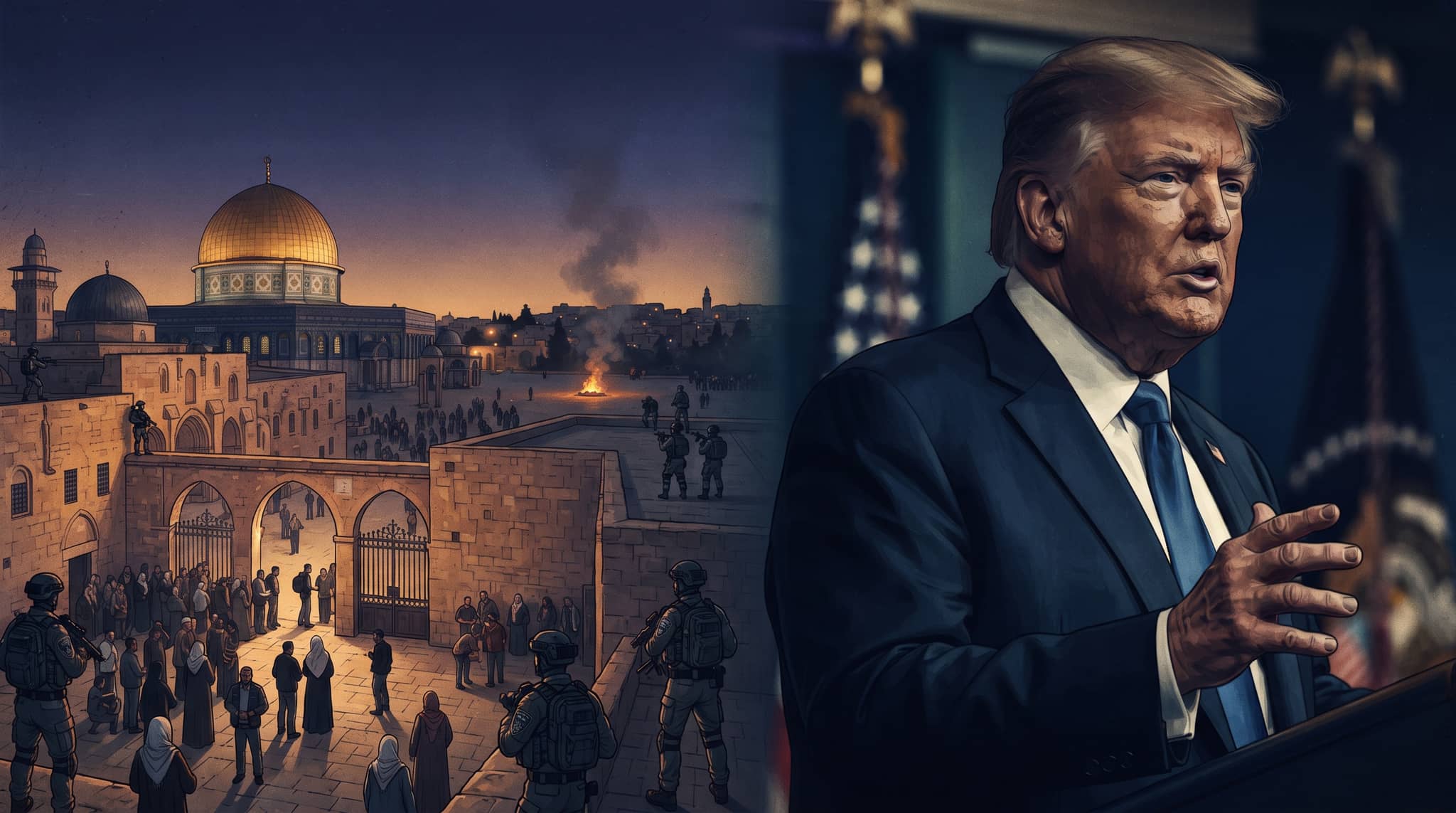
President Donald Trump said in a July 23 Axios interview that he is “close” to a decision on a “massive attack” against Iran. The statement, published by the news outlet, marks the clearest signal yet that the White House is weighing a significant escalation of military force against Tehran.
On the same day, Israeli National Security Minister Itamar Ben Gvir joined more than 3,000 Jewish visitors at the Temple Mount in Jerusalem during the Tisha B’Av holiday, according to the Beyadenu advocacy group. The Palestinian Administration of the Jerusalem Governorate reported that 4,288 Israelis entered the Al-Aqsa compound. Some visitors prayed openly, eroding the long-standing status quo that prohibits non-Muslim worship at the site. Jordan’s Foreign Ministry condemned the visits as a “flagrant violation” and called for international pressure to restore the arrangement.
The Temple Mount incursions come amid an already fragile period between Israel and Iran, with a ceasefire agreement that followed the June Islamabad Memorandum still in effect but showing signs of strain. Trump’s reported openness to a massive attack adds a new layer of uncertainty, as any direct U.S.-Iran military confrontation could collapse the ceasefire and draw in regional actors.
The interaction of these two events — the White House signaling potential strikes and the volatile religious-political flashpoint in Jerusalem — has heightened concerns about a broader escalation. Analysts say the risks depend on whether Iran interprets the Temple Mount events as provocation and whether Trump’s decision leads to concrete action before the August 15 ceasefire deadline.