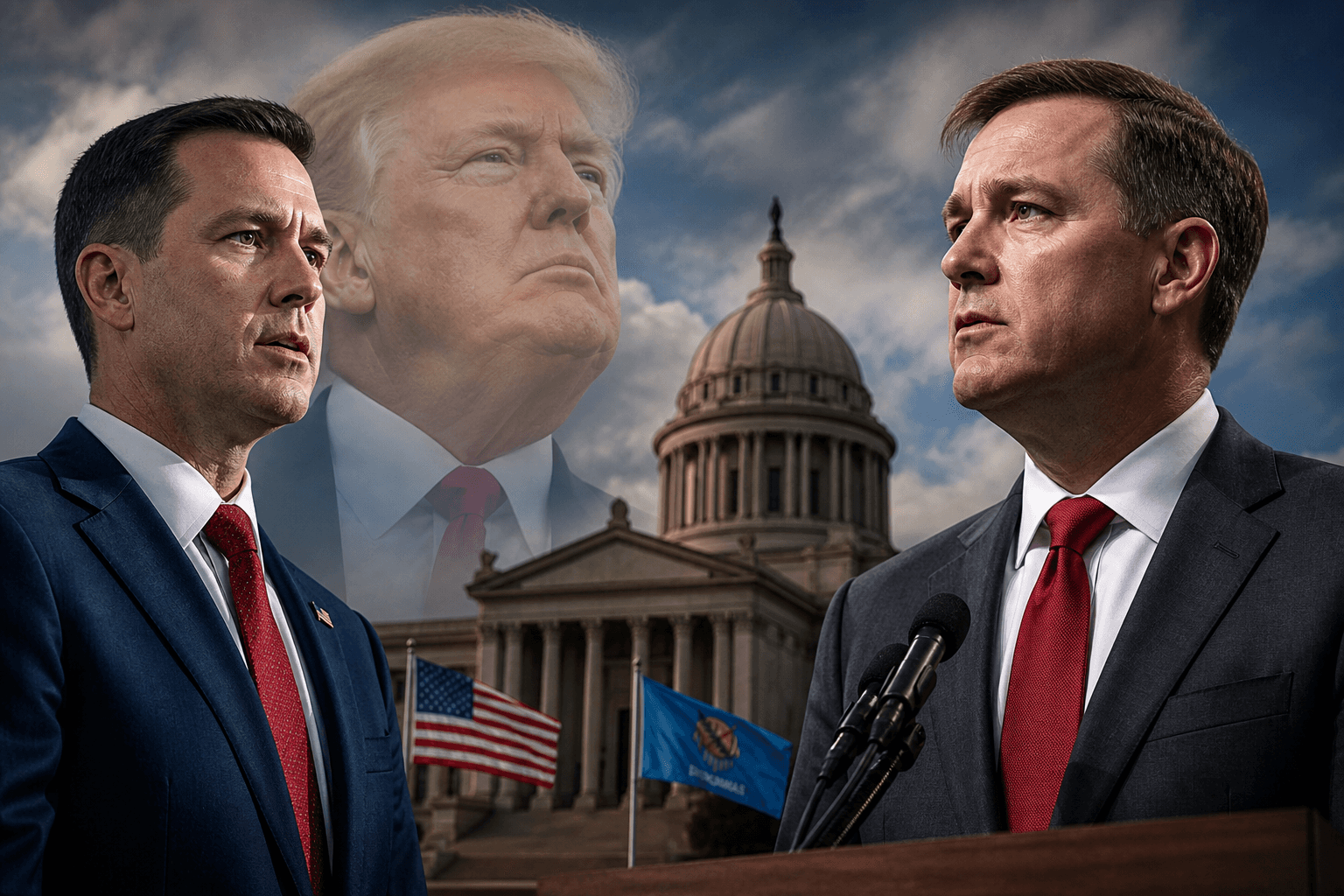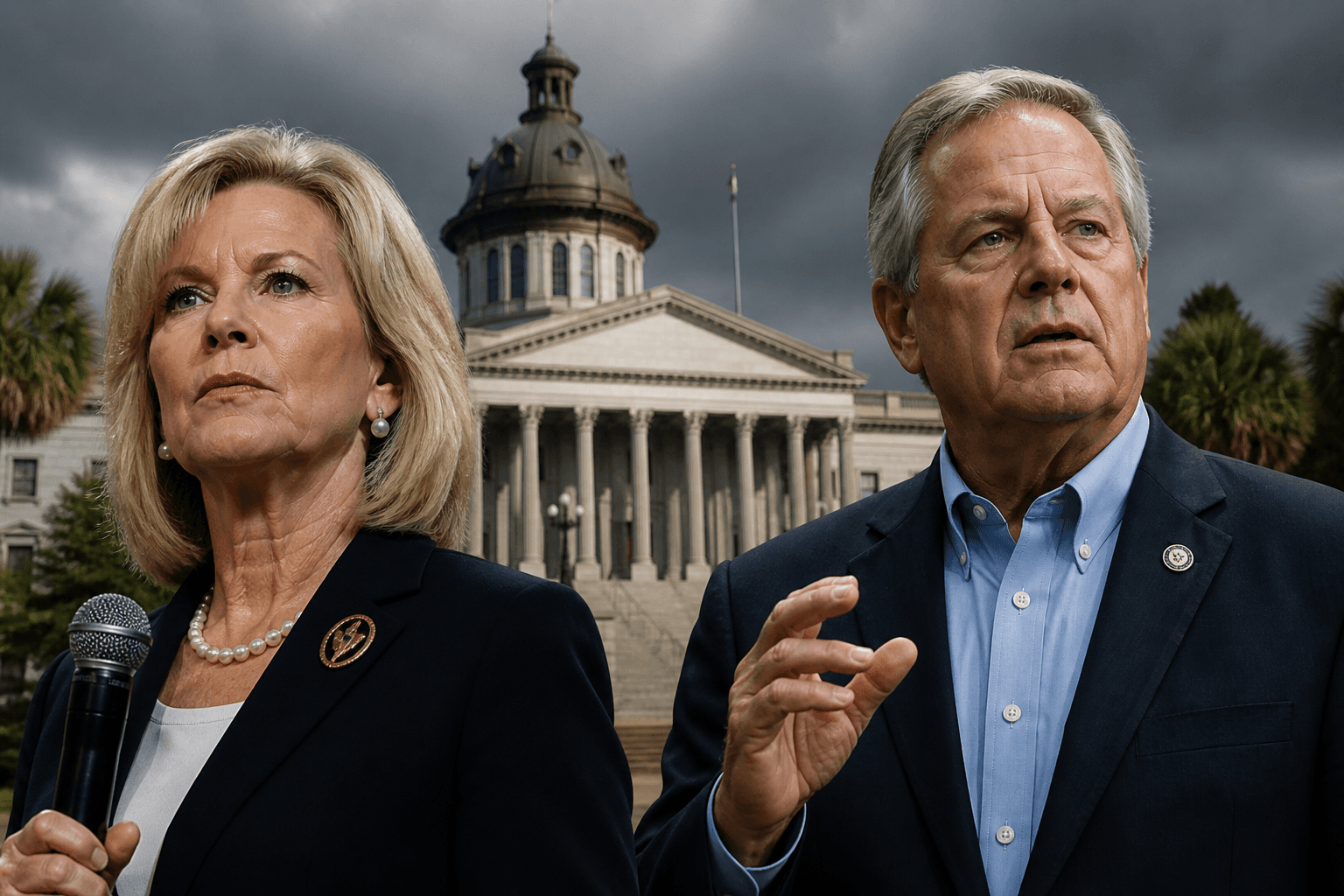
South Carolina Republicans are heading into a runoff that has become as much a referendum on political readiness as on ideology, with interim Senator Darline Graham trying to hold the seat she inherited after her brother Lindsey Graham's death and Congressman Ralph Norman trying to convince conservatives that familiarity with Washington is not the same thing as preparedness for the job. In a state where the Republican nominee is normally favored in the fall, that leaves the August contest carrying unusual weight. What began as a sentimental and highly compressed race around the late senator's legacy has turned into a much sharper argument about whether voters want continuity, family familiarity and Donald Trump's backing, or whether they want a candidate who has already spent years navigating congressional fights and national issues.
The final week hardened around Graham's troubled debate performance. During a one-on-one matchup with Norman, she stumbled badly on a foreign policy question and acknowledged that national security was not her strongest subject, a remark that immediately became the center of the runoff conversation because Lindsey Graham built much of his own Senate profile on military and international affairs. Norman seized on the moment as evidence that South Carolina cannot afford a nominee who is still learning the most basic expectations of the office. Graham tried to recast the exchange as candor rather than incompetence, stressing domestic priorities and arguing that voters care more about border security, inflation and cultural fights than about polishing foreign policy rhetoric. Even so, the exchange gave Norman the opening he needed to make the race less about biography and more about capability.
Trump's decision to intervene so personally showed how seriously allies of Graham are taking that threat. At a rally in Myrtle Beach, he urged Republicans to treat the runoff as if he himself were on the ballot, framing Graham as a dependable vote for his agenda and a worthy successor to her brother. The rally mattered not only because Trump remains the most influential figure in the state's Republican politics, but because it came just after the debate raised doubts about Graham's footing. Norman, for his part, has argued that the endorsement makes little sense given his own record of support for Trump's priorities, and he has tried to cast the late push as proof that Graham needed outside rescue rather than organic momentum. That clash has left the runoff with two competing narratives: one side says loyalty to Trump should settle the matter, while the other says the very need for rescue is the problem.
Kalshi still shows Graham ahead, but the contract's edge is best read as a sign of how much weight traders think Trump's blessing still carries in a low-turnout Republican contest. It is not a guarantee, especially in a runoff where motivated activists and local networks can matter more than broad name recognition. The more durable reality is that the race now turns on whether Republican voters treat Graham's debate stumble as a passing embarrassment or as a disqualifying warning. Early voting is already underway, and the final days will likely be consumed by turnout efforts, attack lines and another round of questions about whether this seat should be filled by instinctive political inheritance or by a candidate who can argue he is ready on day one.