A nationwide flight disruption put a consequential question back in view: did President Donald Trump formally declare an emergency over the air-traffic-control failures, or was the phrase used to describe the crisis? A formal action can carry legal consequences, but the reported statement after the outage does not by itself establish that one was issued. The difference is not merely wording: an official description of an emergency and a documented executive action are not interchangeable, and the public interest lies in knowing which occurred.
The Federal Aviation Administration grounded flights nationwide after radar and communications instability, and lifted the stop more than four hours later. Homeland Security Secretary Markwayne Mullin said Trump had declared the failures a national emergency, while also saying there was no evidence of a cyberattack. Transportation Secretary Sean Duffy attributed the communications outage to outdated air-traffic-control technology. The accounts leave a distinction between what officials called the crisis and whether Trump signed or issued a formal order or proclamation concerning it. Mullin also said the public was not in danger during the outage, a statement that bears on the immediate safety picture but does not settle whether executive action was taken.
That distinction matters because Trump has issued a formal emergency order on a separate issue. In August, he declared a national emergency concerning foreign-produced bulk-power system equipment. That order shows emergency action is not merely rhetoric; it does not establish that the FAA outage received the same treatment, or what authority any action tied to it might invoke. The public should not have to infer a legal step from a reported description of events. The earlier order concerned a different subject, so it is context for the kind of formal action at issue, not evidence that one followed the flight disruption.
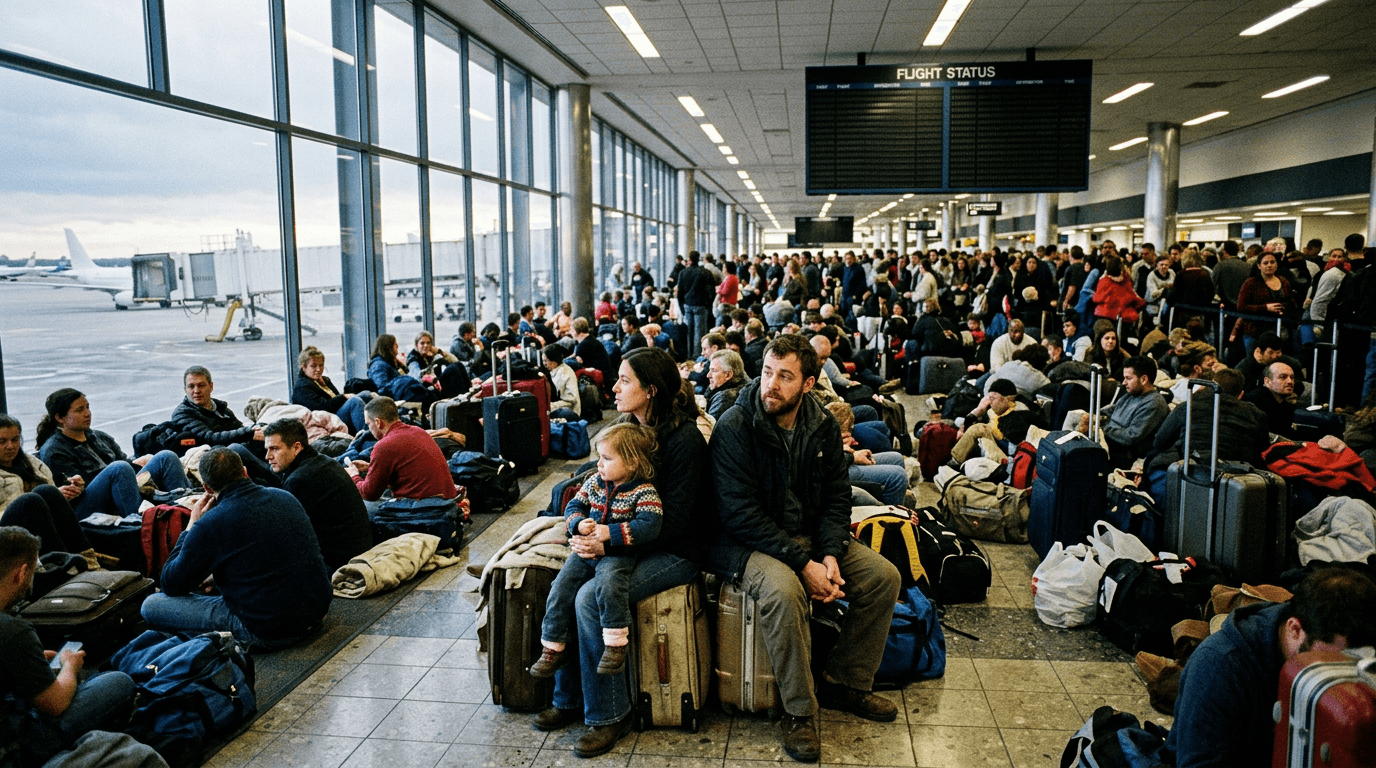
For travelers, the immediate disruption was real, even as Mullin said the public was not in danger. Duffy warned of more problems without air-traffic-control upgrades and said he wanted Congress to provide funding. Whether Congress will provide it, and when, remains unsettled. Nor is it yet clear whether officials have fully determined the outage’s cause. Duffy’s account points to outdated technology, while Mullin said officials had no evidence of a cyberattack; neither statement answers whether a formal emergency action followed. The policy question therefore extends beyond the language used during the disruption: upgrades and the funding decision remain important to whether the system’s problems are addressed.
Prediction-market traders are assigning 18% to an executive action declaring a national emergency before December, as of 9:54 a.m. ET on Nov. 14. That price has risen up 13 points in the last day, with 1,861 contracts traded over the last day. For action before the start of the new year, Kalshi traders put the figure at 23% as of 9:54 a.m. ET on Nov. 14; that price is up 13 points in the last day. These contracts ask about executive action, not whether officials used emergency language. Their rising prices show changing trader expectations, not proof that an order exists or that one will follow. The reported statements leave the key distinction unresolved: whether Trump took a formal step concerning the FAA outage, and what legal authority, if any, such a step would invoke.