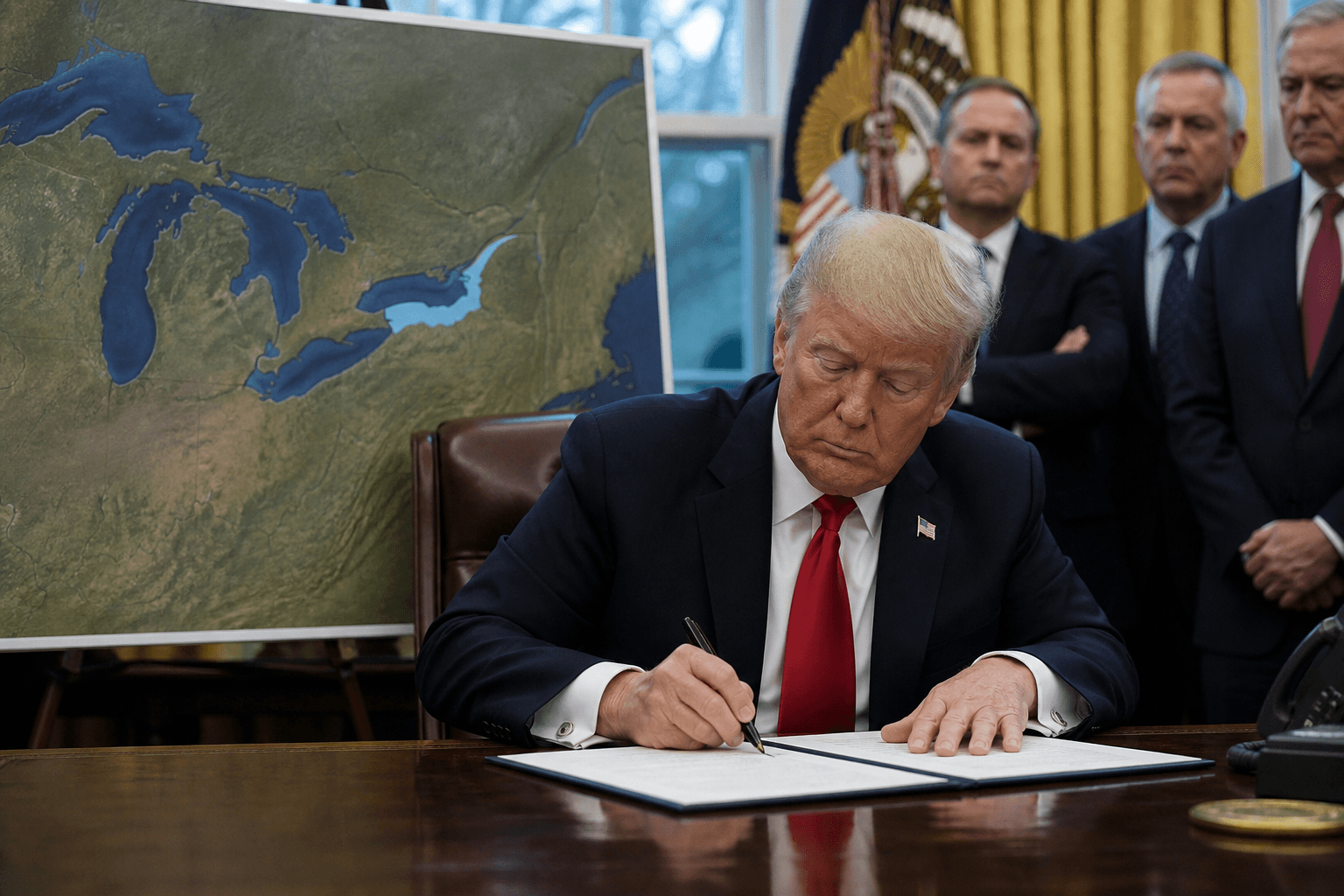
Donald Trump turned a familiar trade quarrel with Canada into something much more theatrical on Thursday, signing an executive order that directs the federal government to call Lake Ontario by a new name: Lake America. The move does not erase the traditional name in Canada or elsewhere, and it does not redraw the border that divides the lake. But it does carry real consequences inside the United States, where federal maps, documents and databases shape everything from navigation records to school materials and public signage. By choosing one of North America's best-known shared landmarks, Trump made clear that his argument with Ottawa is no longer only about tariffs and supply chains. It is also about symbolism, national identity and who gets to define the language that institutions use.
The order itself leaves little doubt about how aggressively the administration wants agencies to move. The White House said the Interior Department and the U.S. Board on Geographic Names must take the steps needed within thirty days to rename Lake Ontario as Lake America in the federal naming system and remove the older name from the national geographic database where applicable. Trump framed the decision as recognition of American investment, shipping and military history around the Great Lakes, casting the lake as an asset whose story has been told too narrowly. That argument is almost certain to anger Canadian officials, who regard the lake as part of a shared basin rather than an American possession. It also invites practical questions for cross-border commerce, tourism and education, because the lake remains central to port traffic, fisheries, local government planning and the broader public memory of the border.
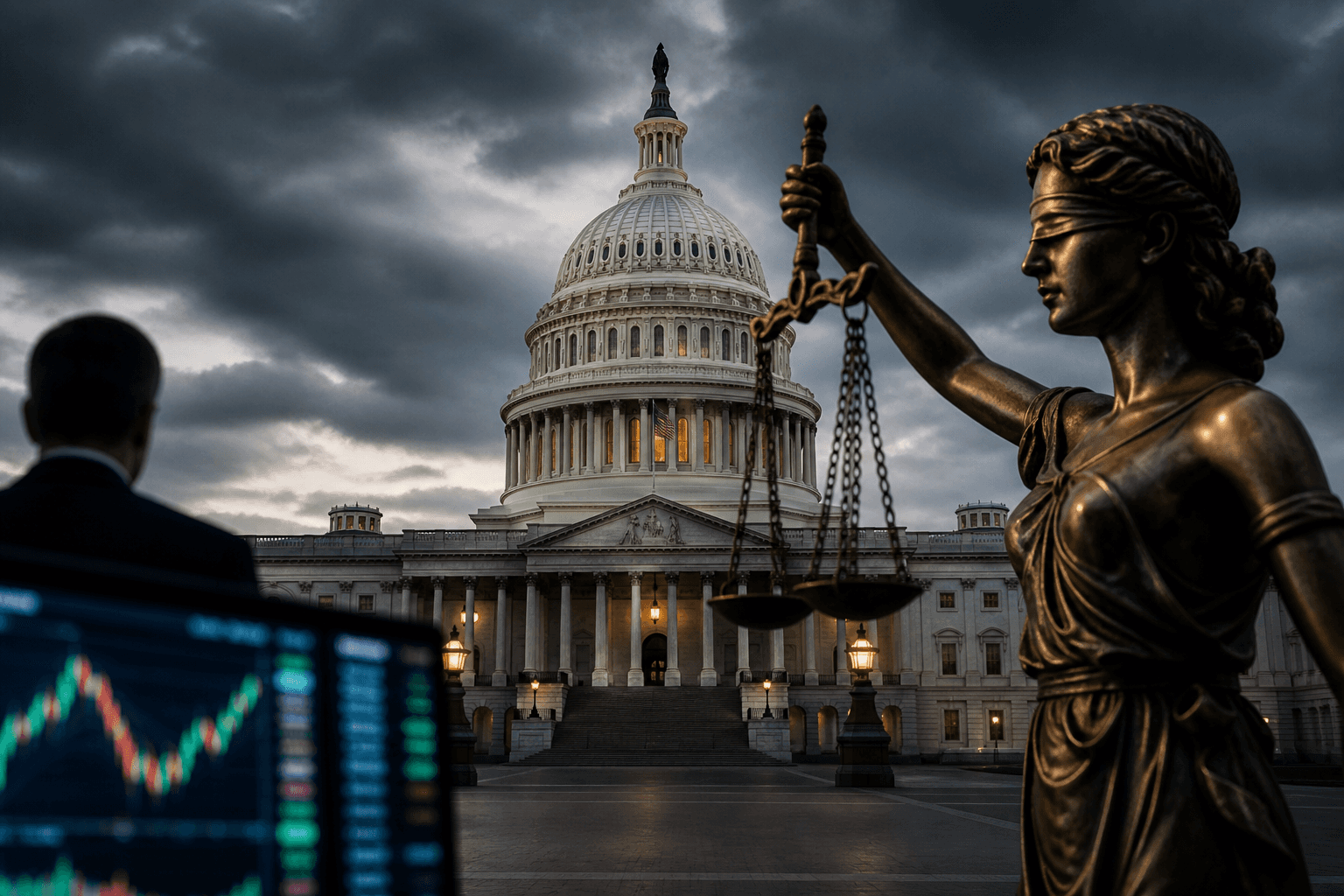
Prediction markets moved as if the formal decision had already settled the main question. On Polymarket's visible breaking board, the contract on whether Trump would rename Lake Ontario to Lake America surged to roughly ninety-nine cents after the order was signed, while a sibling contract on whether Google Maps will eventually adopt the same label inside the United States jumped sharply as well. The split between the two contracts captures the distinction that matters now. The federal government can change its own records immediately, but private mapping companies, state agencies and foreign governments still have to decide whether they will mirror the new label or keep the older one in front of users.
That is why the next stage of this story will play out outside the Oval Office. The White House can order a domestic administrative change, but it cannot compel Canadian acceptance, international usage or instant adoption by every digital platform that Americans rely on. What happens next will depend on how quickly Interior updates the federal naming register, whether major map providers align their U.S. displays with that decision and how forcefully Canada pushes back against what it will almost certainly describe as a unilateral act. For Trump, that uncertainty may be part of the appeal. A renamed lake keeps the confrontation with Ottawa vivid in everyday life, extending a trade fight into classrooms, car dashboards and the language of official government documents. For everyone else around the Great Lakes, the question is no longer whether the White House wants a symbolic escalation. It is how many institutions will decide that the symbolism must now become practice.