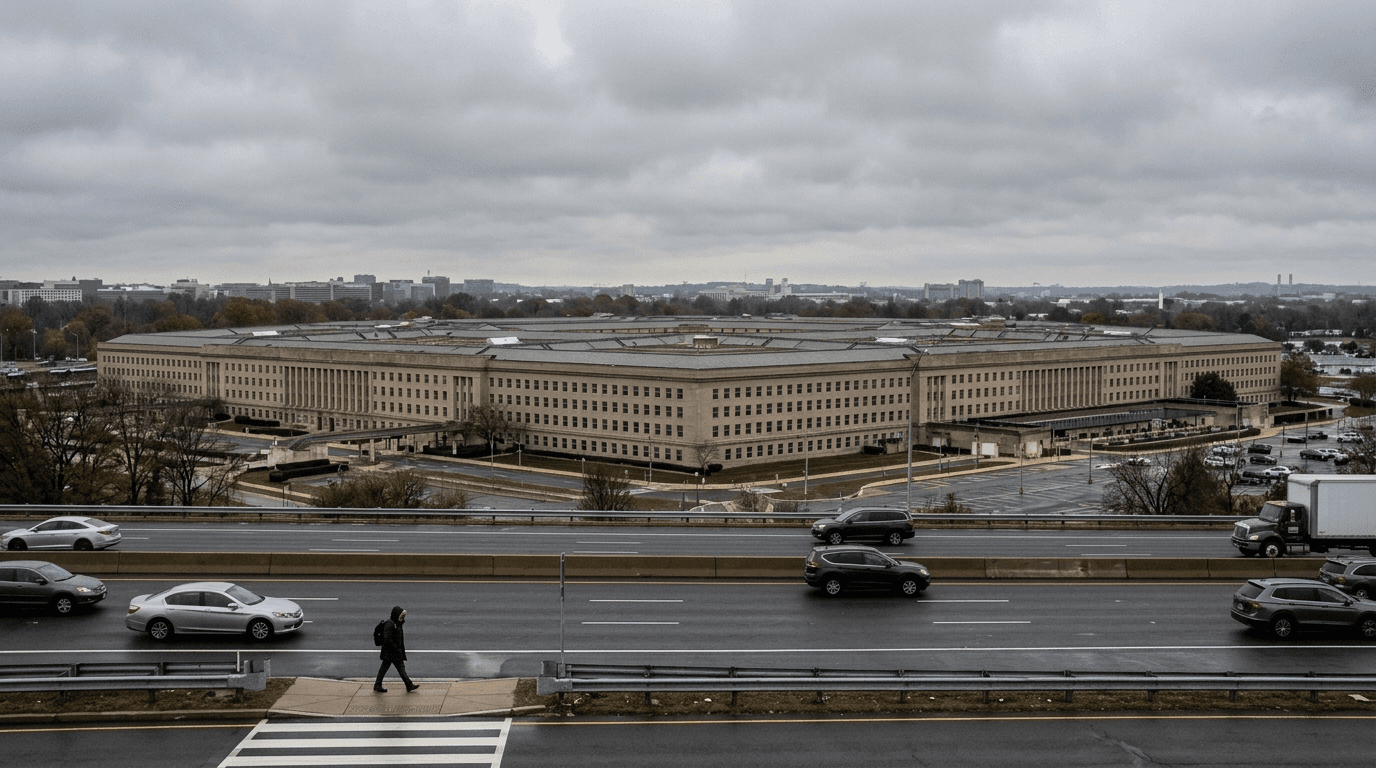
A presidential pardon can alter federal criminal exposure, but the question facing the White House is whether talk of protecting administration officials will become an actual act. Trump said he had not thought seriously about pardons for administration staff, while asserting that he could grant them, according to Newsweek. That leaves a wide gap between acknowledging presidential authority and announcing a decision. His remarks establish that he has discussed the possibility, not that he has settled on issuing a pardon or identified anyone who would receive one.
Newsweek reported that White House lawyers were evaluating possible preemptive pardons for lower-level officials, while also noting that the White House had not publicly confirmed those discussions. The report described a blanket pardon for all junior staffers as unlikely; possible protections under discussion were tied instead to officials involved in immigration, trade and military matters. Those are reported possibilities, not evidence that Trump has approved a plan or that any particular person will receive a pardon. The distinction between a reported review and a confirmed decision is central: the account describes discussions, but does not establish their outcome.
The market offers a snapshot of what traders currently believe about whether any pardon will be issued by the end of the year. On Polymarket, the contract is priced at 71% as of 9:52 a.m. ET on Oct. 27. That price down 2 points over the week, with $231 in trading over the last day behind it. The market is not a forecast, and its price does not establish what the president intends. The comparatively modest trading activity is another reason to treat the figure as a limited read on current belief, not a settled judgment. A price can register traders’ present views without resolving whether the reported discussions will lead to action.
The nearer deadline looks different, but its price also rests on very little trading. Polymarket’s contract asking whether Trump will pardon anyone by the end of October is at 22% as of 9:52 a.m. ET on Oct. 27, with $13 in trading over the last day behind it. The two contracts are separate questions tied to different deadlines; they should not be read as a complete or perfectly aligned account of what traders expect. In particular, the low activity on the nearer contract makes its price a thin signal. Neither market can establish whether the reported legal review is real, whether it will lead to action, or who might be covered. The contrast between the prices is a comparison of current market beliefs, not proof that a pardon is more or less likely for any particular official.
Even if a pardon is issued, its reach matters. Newsweek reported that a pardon would not prevent every form of legal or professional consequence. The unresolved issue is therefore not simply whether Trump will act, but whether any action would be broad or limited, and what protections it would actually provide. For now, the public remarks stop short of a promise, the reported discussions remain unconfirmed by the White House, and the market prices capture uncertainty rather than a decision. The reporting and the contracts answer different questions: one describes what has been said and reported, while the other records traders’ changing assessments of an uncertain outcome.