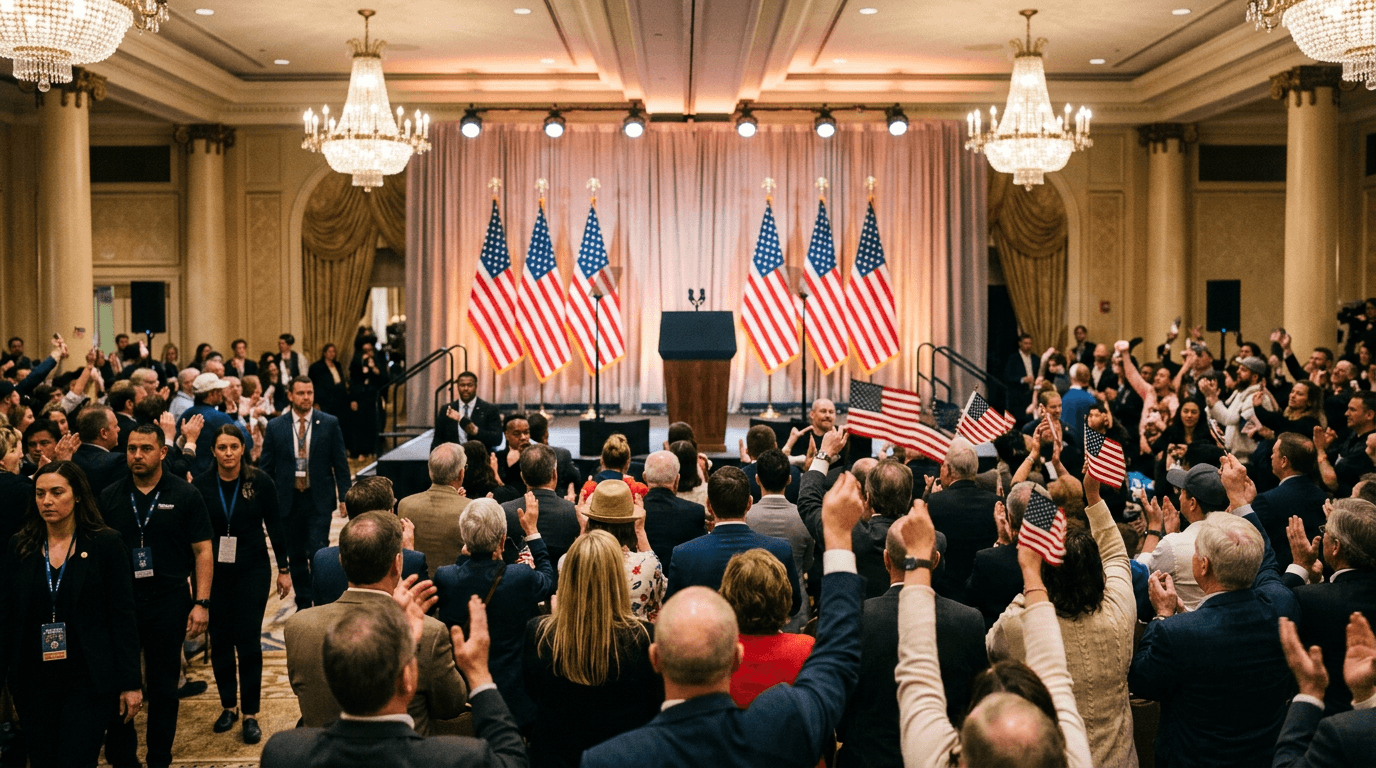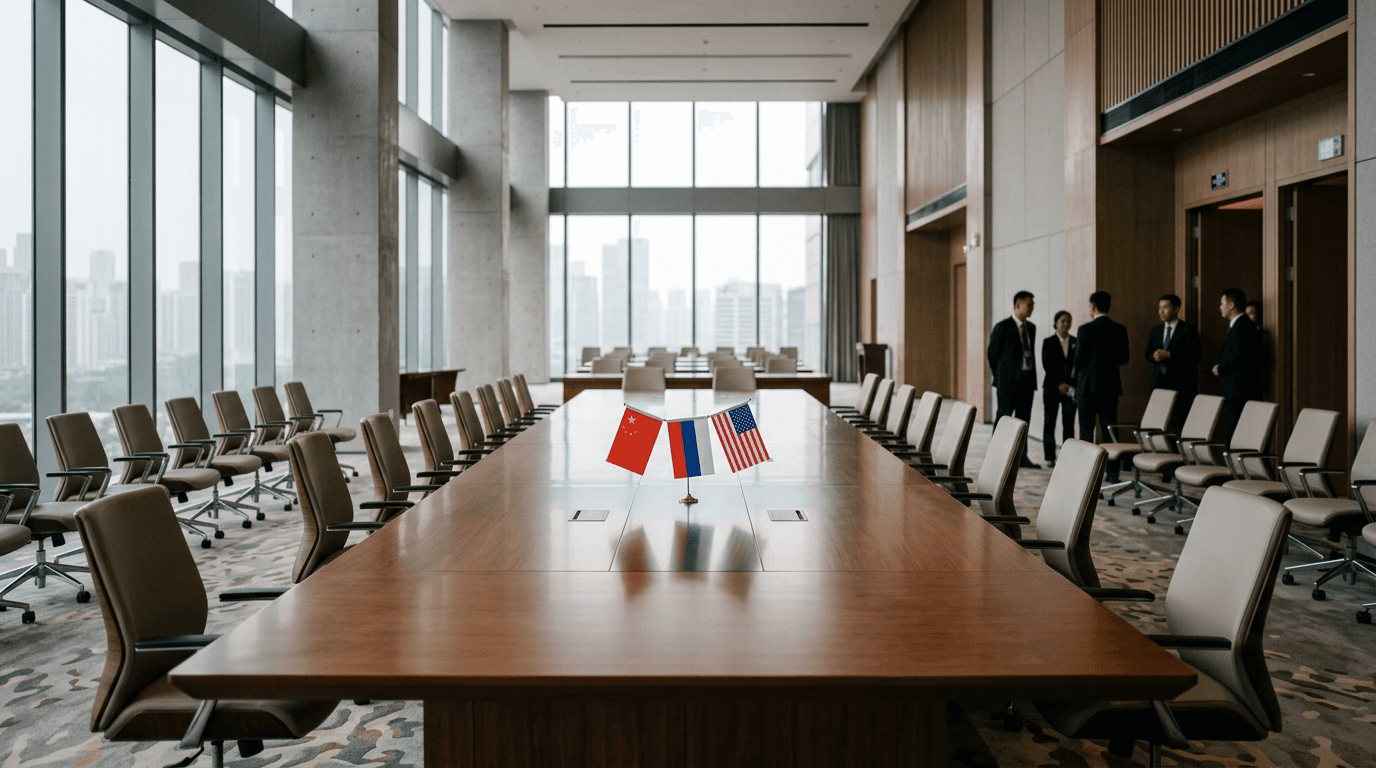
The prospect of a meeting between Donald Trump and Vladimir Putin puts nuclear arms control back in focus after major limits on the countries’ arsenals ended. The White House says Trump, Putin and Chinese leader Xi Jinping are planning a three-way meeting on the sidelines of the APEC summit in Shenzhen. It says nuclear-weapons reduction is among the topics Trump intends to discuss. Kalshi traders put an in-person Trump-Putin meeting at 97% as of 1:21 p.m. ET on Nov. 14. That price reflects traders’ current expectations; it does not confirm that the meeting will happen.
The plans remain short of a confirmed gathering. The Kremlin said the leaders would meet on November 19, while China had not confirmed the meeting in CNN’s reporting. The market’s high reading signals strong trader expectations, but does not resolve whether Beijing will confirm and attend. Nor does a price on a meeting answer what the leaders will say to one another. The event itself remains in the future, and the reporting leaves both confirmation and the substance of the discussions unsettled.
Even if the leaders meet, a breakthrough is not the expectation set by U.S. officials. One described the talks as the start of a conversation, and officials do not expect an agreement. That distinction matters because the treaty limiting U.S. and Russian nuclear arsenals expired in February. The end of those limits gives renewed attention to the possibility of discussing nuclear weapons, but a discussion is not a new agreement. The public information establishes an intended topic, not a negotiated outcome or a concrete next step.
The agenda beyond nuclear weapons is also uncertain. It is not clear whether the leaders intend to discuss Russia’s war in Ukraine. Ukrainian President Volodymyr Zelenskyy has voiced concern that the meeting could address Ukraine’s future without Kyiv. That concern underscores a separate question raised by any discussion of Ukraine: whether the country would have a voice in a conversation about its future. The available reporting does not settle whether the subject will be raised, so the potential discussion should not be treated as an agreed part of the agenda.
The market price and the official statements answer different questions. Kalshi traders strongly expect an in-person Trump-Putin meeting, while the reporting describes a plan, a date stated by the Kremlin and no confirmation from China. The White House identifies nuclear-weapons reduction as a topic Trump intends to raise; U.S. officials, meanwhile, say not to expect an agreement. Those signals leave room for the meeting to occur without producing a deal, and for important questions about the agenda to remain open. Whether the leaders meet, what they discuss beyond the stated subject, and whether any conversation leads to further arms-control talks remain unresolved.