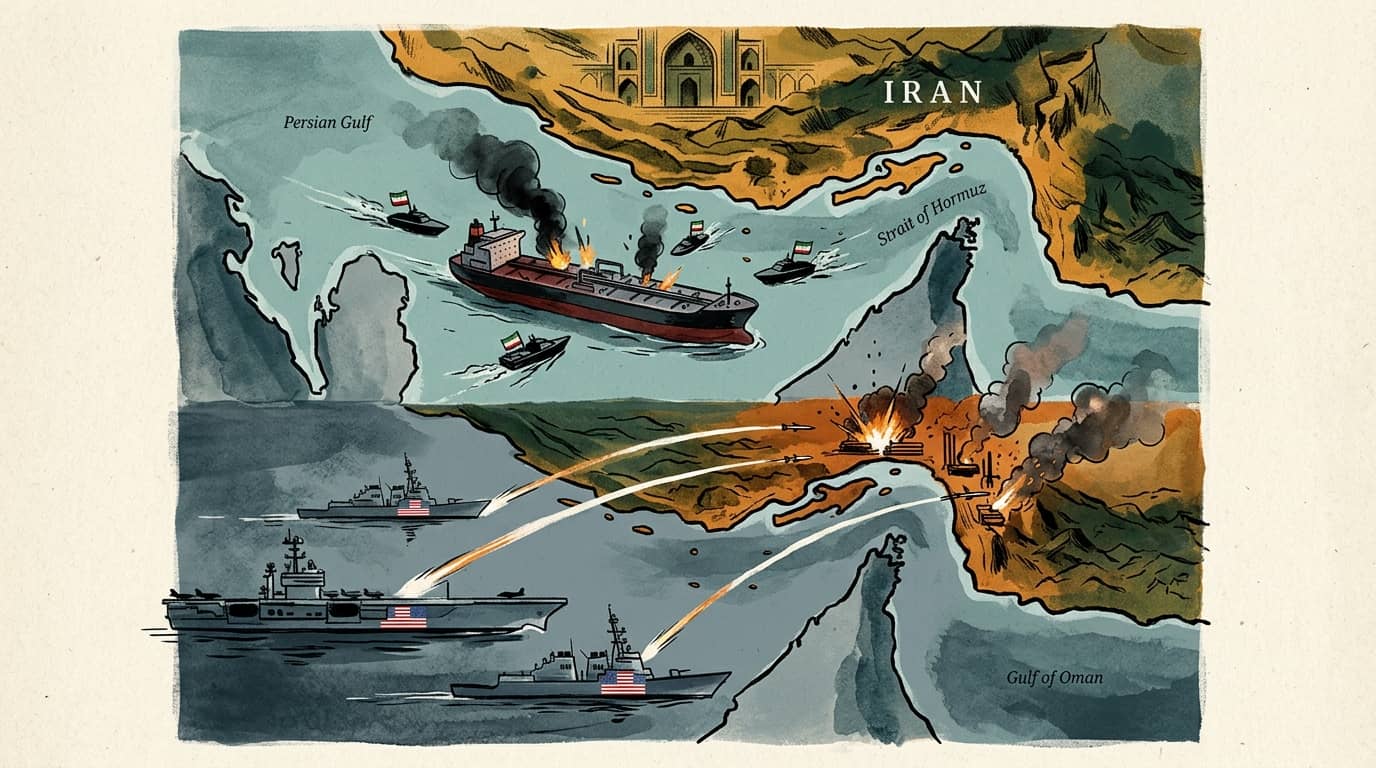
US military strikes on Iranian targets on July 29 triggered a rapid escalation across the Middle East, with Iran's Revolutionary Guard firing ballistic missiles at a US military hub in Jordan and a drone striking a US-owned tanker in Egypt the following day. Brent crude oil prices jumped 7.3% to $88.093 a barrel on the day of the strikes, reflecting fears of a widening conflict.
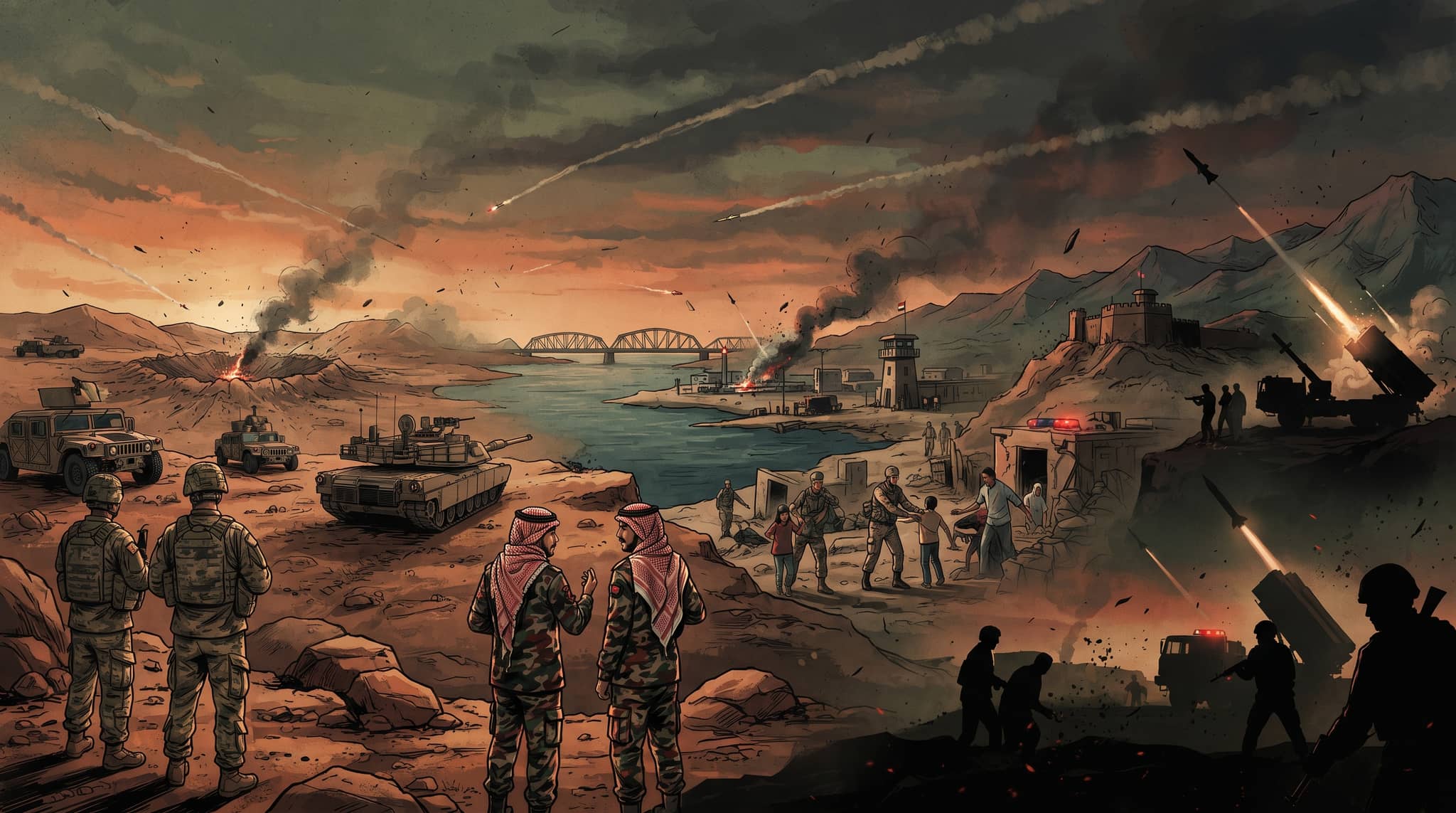
Iran's Revolutionary Guard said it fired ballistic missiles at Jordan's Muwaffaq Salti Air Base, a key US military hub in the region, according to a statement carried by state-run IRNA. Jordan's military said five Iranian missiles had been intercepted and destroyed, with no immediate reports of casualties or damage. The US military later announced that American and Saudi fighter aircraft had struck multiple logistics and weapons sites in eastern Iraq in response to alleged drone attacks on Saudi Arabia.
On July 30, a drone struck the US-owned gas storage tanker Energos Winter at Egypt's Damietta port, igniting a fire that spread to a second vessel before crews contained the blaze. The attack widened the geographic scope of the hostilities beyond the Gulf and into the Red Sea region.
United Nations Secretary-General Antonio Guterres on July 30 urged both the US and Iran to halt military operations and return to negotiations, warning that the conflict risked further escalation. The call came as the cycle of strikes and counterstrikes showed no immediate signs of abating.
A separate question about the status of an Israel-Iran ceasefire continuing through August 15 stood at 71% in early trading on July 30. No direct reporting on the status of that truce was available in the same sources covering the US-Iran exchanges.