The United States and Iran are operating under a 14-point memorandum of understanding signed June 17, 2026, which extended a ceasefire by 60 days following joint U.S.-Israeli airstrikes that began February 28, 2026. The agreement, brokered by Qatar and Pakistan, calls for negotiations on Iran's nuclear program, reopening the Strait of Hormuz, sanctions relief, and asset releases.
IAEA Director General Rafael Grossi stated in late June that UN nuclear inspectors "will indeed take place" in Iran as part of the preliminary peace agreement, according to BBC News. Iran's deputy foreign minister countered that access to bombed enrichment facilities would only be addressed within a final deal, not the interim pact. The dispute remains unresolved as late July.
The MoU framework, as described by Vice President JD Vance in a June press conference covered by TIME, includes U.S. unfreezing Iranian assets, lifting sanctions on Iranian crude oil exports, and establishing a $300 billion reconstruction fund. In exchange, Iran would keep the Strait of Hormuz open and forgo nuclear weapons development.
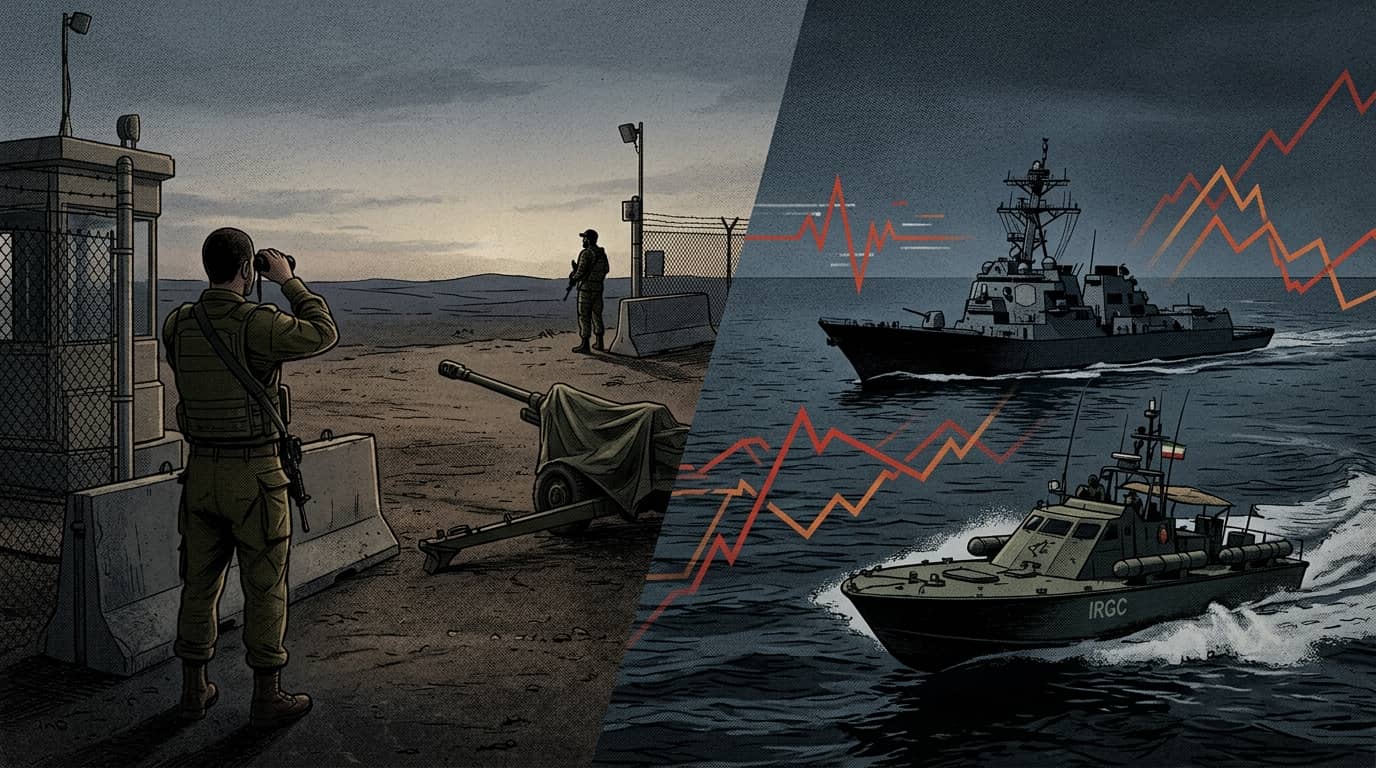
Despite the diplomatic track, new military tensions emerged in the two weeks after the MoU signing. Al Jazeera reported continued U.S. bombing of Iran, Iranian attacks on U.S. military assets in Kuwait and Bahrain, and Israeli assaults in Lebanon. The U.S. Treasury issued a 60-day sanctions waiver allowing Iran to sell oil in U.S. dollars for the first time in decades, BBC News reported June 24.
The 60-day diplomatic window, opened June 17, extends to approximately August 16, 2026. The outcome of the talks — whether a verifiable final agreement emerges or negotiations collapse — will determine whether the current ceasefire holds or escalates to broader conflict before year-end.