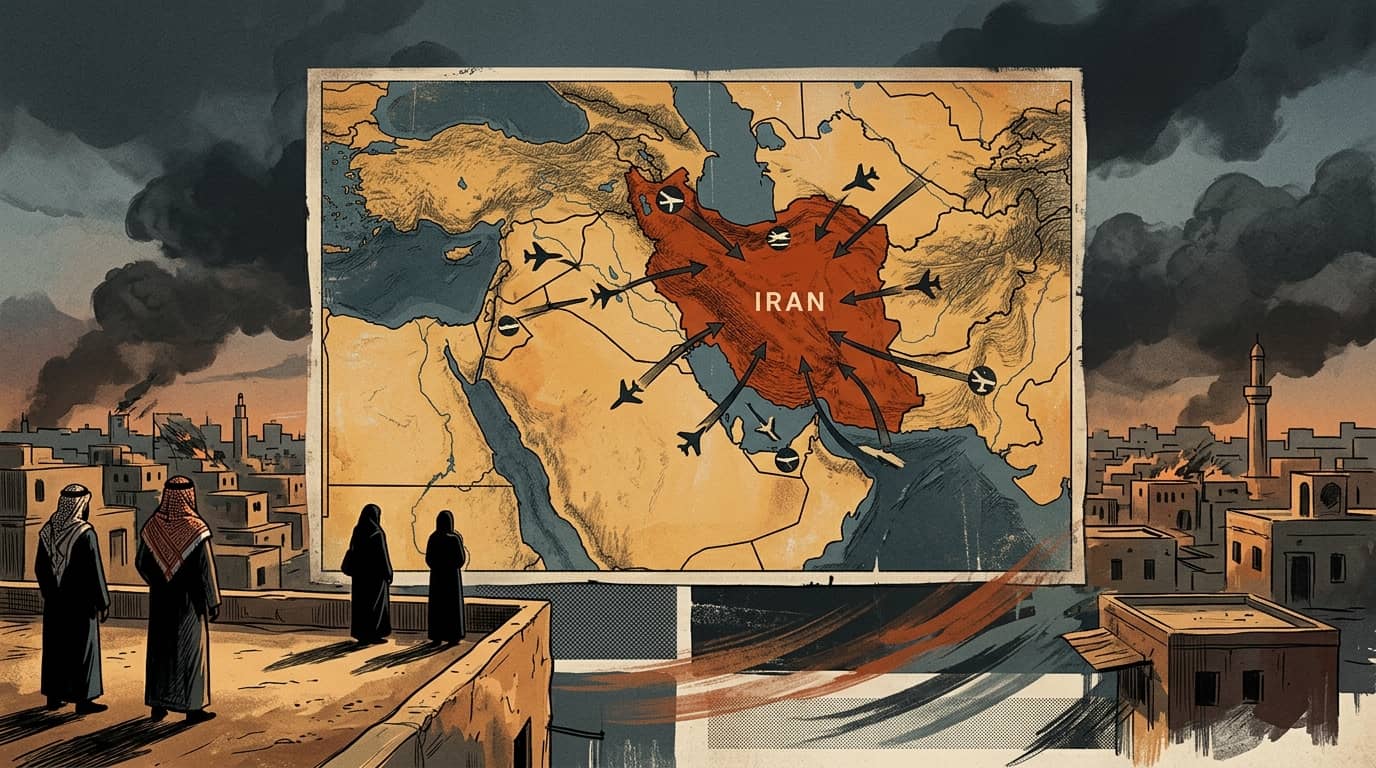
The United States and Iran remain locked in an escalating military conflict, with President Donald Trump threatening a 'massive attack' on Iran on July 23, 2026, as the U.S. completed its 13th straight night of strikes against Iranian targets. The strikes, announced by U.S. Central Command, hit Iranian military command centers, drone storage facilities, communication networks, coastal surveillance sites, and maritime capabilities. Iran retaliated by striking a U.S. base in Kuwait and a control tower of the U.S. 5th Fleet in Bahrain, according to the Islamic Revolutionary Guard Corps.
The conflict has taken a significant humanitarian and economic toll. The Iranian Health Ministry reported that 3,434 people have been killed in Iran since the war began, as of July 24, and international benchmark Brent crude oil briefly surged above $100 per barrel on July 23 for the first time since May. The U.S. military also disabled the crewed tanker M/T Lavine in the Gulf of Oman after it attempted to run a U.S. blockade multiple times, firing into its engine room.
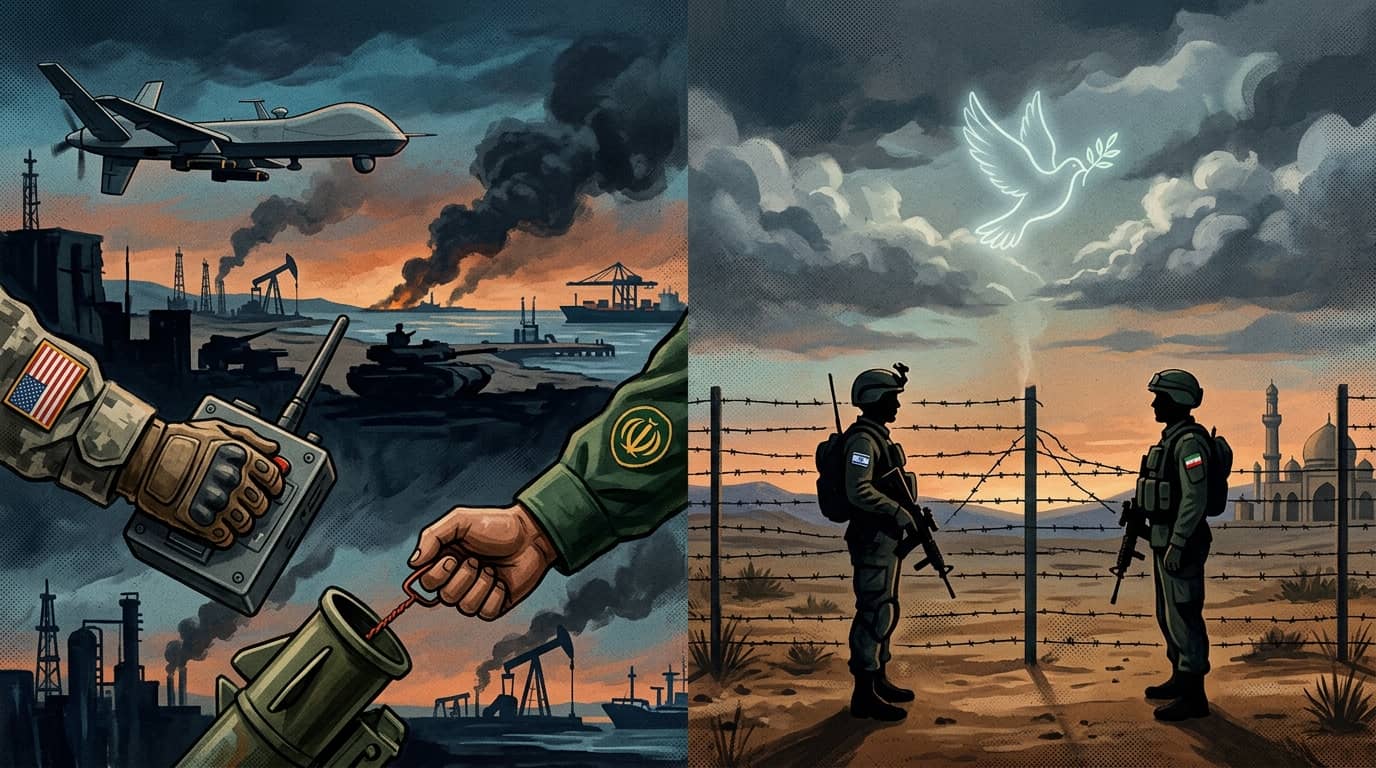
Despite the intensity of U.S.-Iran hostilities, there is no current evidence of a direct ceasefire between Israel and Iran having been broken. Israeli forces are not cited as directly engaging Iranian territory in the latest exchanges, and no statement from Israeli officials regarding a ceasefire with Iran has been found in the July 24-25 timeframe. The market's definition of a 'state of ceasefire' refers specifically to the absence of qualifying military actions between Israel and Iran, not between the U.S. and Iran.
The gap between the active U.S.-Iran war and the still-holding Israel-Iran ceasefire highlights the narrow focus of the latter. The ceasefire may refer to the June Islamabad Memorandum, but its current status is not verified in available reporting. Any direct military strike by Israel on Iranian territory or a statement by Israeli Prime Minister ending the ceasefire would be the most likely catalyst for a change.