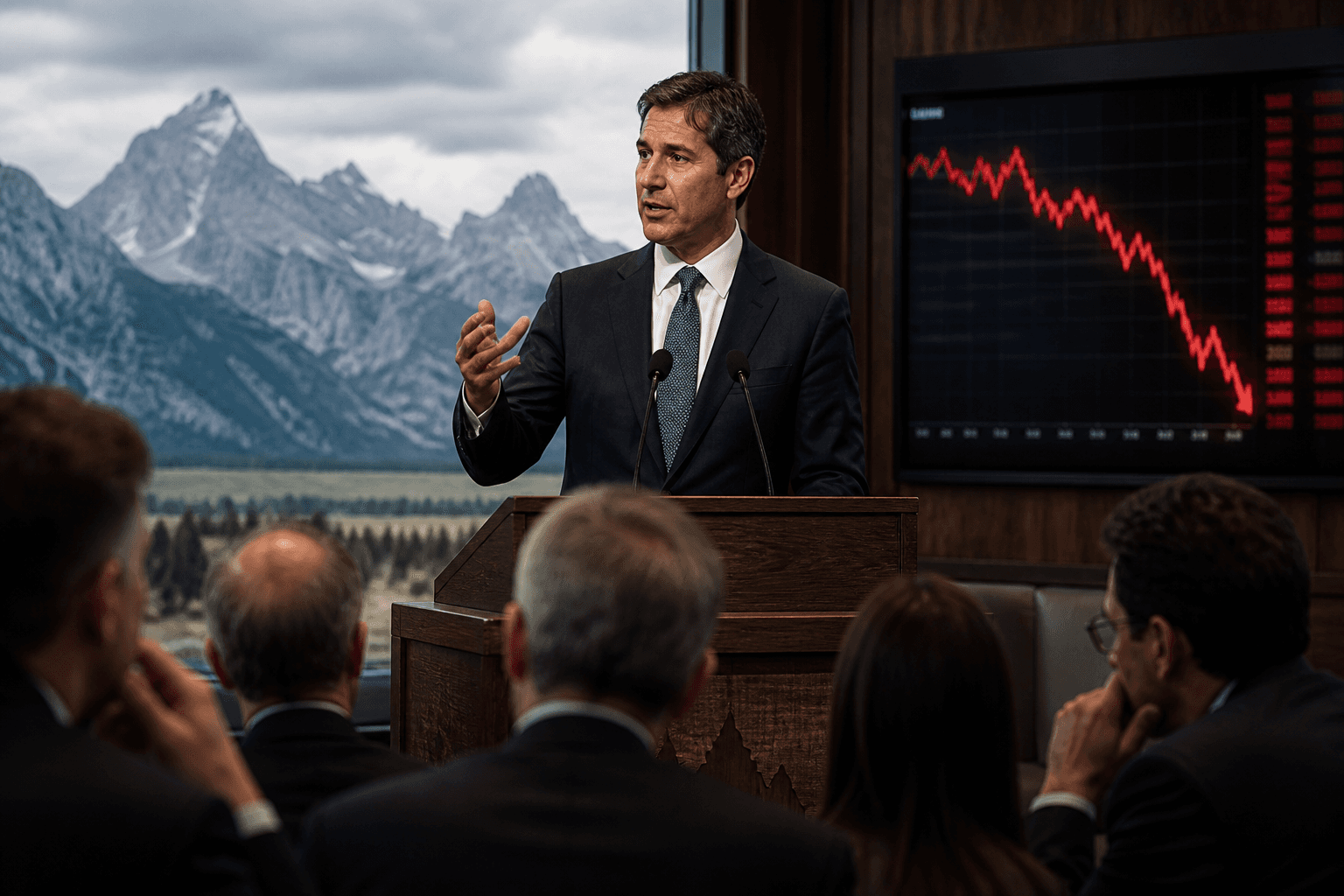
Kevin Warsh used the Federal Reserve's annual Jackson Hole gathering to turn a sleepy autumn rate debate into one of the biggest live questions in the American economy. After weeks of uncertainty about how the new chair would communicate and whether he was comfortable letting inflation drift lower at a gradual pace, his speech on August twenty-eighth made clear that patience is not his default setting. The stakes reach far beyond Wall Street. A renewed rate increase would hit mortgages, car loans and business borrowing just as households are still absorbing higher costs from tariffs, war-driven energy volatility and a long period in which prices never fully settled back down.
What changed was not one stray line but the overall posture of the speech. Warsh said recent cooling in inflation did not show that underlying trends had improved enough, and he reaffirmed that the Fed's two percent price target is fixed rather than aspirational. He also argued that short-term rates remain the central bank's main tool and signaled little appetite for the kind of forward guidance that reassures markets before a decision is made. That matters because the July Federal Open Market Committee minutes already showed policymakers wrestling with how to read conflicting signals from softer headline data, stubborn underlying inflation and wider financial conditions. The Associated Press described the Jackson Hole remarks as Warsh's clearest public indication yet that another hike is genuinely on the table before the September meeting.
Prediction markets moved quickly to absorb that shift. On Kalshi's visible trending board on August twenty-ninth, the lead contract for the Fed maintaining rates in September sat only a touch ahead of a quarter-point hike, while Polymarket's featured September decision board showed a similar near-split between no change and tightening. That is a meaningful reset from the far calmer picture investors were trading around earlier this week and a larger one from the market balance reflected in MPN's August twenty-four coverage of the same event.
The next move now depends on whether fresh data reinforce Warsh's new tone or give doves enough cover to argue for one more hold. Another firm inflation reading, resilient hiring or evidence that tariff pressure is still bleeding into prices would make a hike easier to defend. A softer labor report or a cleaner decline in core inflation would keep the committee's internal divide alive. Either way, the September fifteenth and sixteenth meeting no longer looks like a technical exercise in waiting. It looks like the first real test of whether Warsh intends to run the Fed as a chair who would rather risk tightening too much than discover too late that inflation never truly came under control. That is why every data release between now and the meeting will land with unusual force across markets, boardrooms and household budgets.