A pause in large-scale fighting would not by itself resolve the US-Iran confrontation. The Strait of Hormuz, the US blockade and the terms for renewed talks remain central disputes, while attacks and shipping disruption leave the situation dangerous. On Polymarket, traders put the chance of an effective ceasefire by Nov. 22 at 36% as of 8:02 a.m. ET on Nov. 18. That price fell down 32 points in the last day; the contract recorded $89K in trading over the last day.
The near-term price is not a measure of whether a ceasefire is already holding on the ground. Al Jazeera reported that Iran’s chief negotiator said Tehran was open to a deal but waiting for Washington to respond to its terms. A formal peace deal was still out of reach in reporting published in mid-November, even as full-scale fighting was on hold. The distinction matters: reduced fighting is not the same as an agreement on what an effective ceasefire requires.
The dispute over the Strait has already undermined a previous truce. Al Jazeera reported that the June truce collapsed over control of the waterway and that Washington restored its naval blockade on Iranian ports on July 14. Iran says a formal ceasefire, reopening the Strait and renewed peace talks depend on conditions that include lifting the blockade and sanctions relief. The report describes those demands as seven conditions. The sides’ positions leave a basic question unresolved: whether Washington will accept Iran’s terms, or whether either side will shift its position.
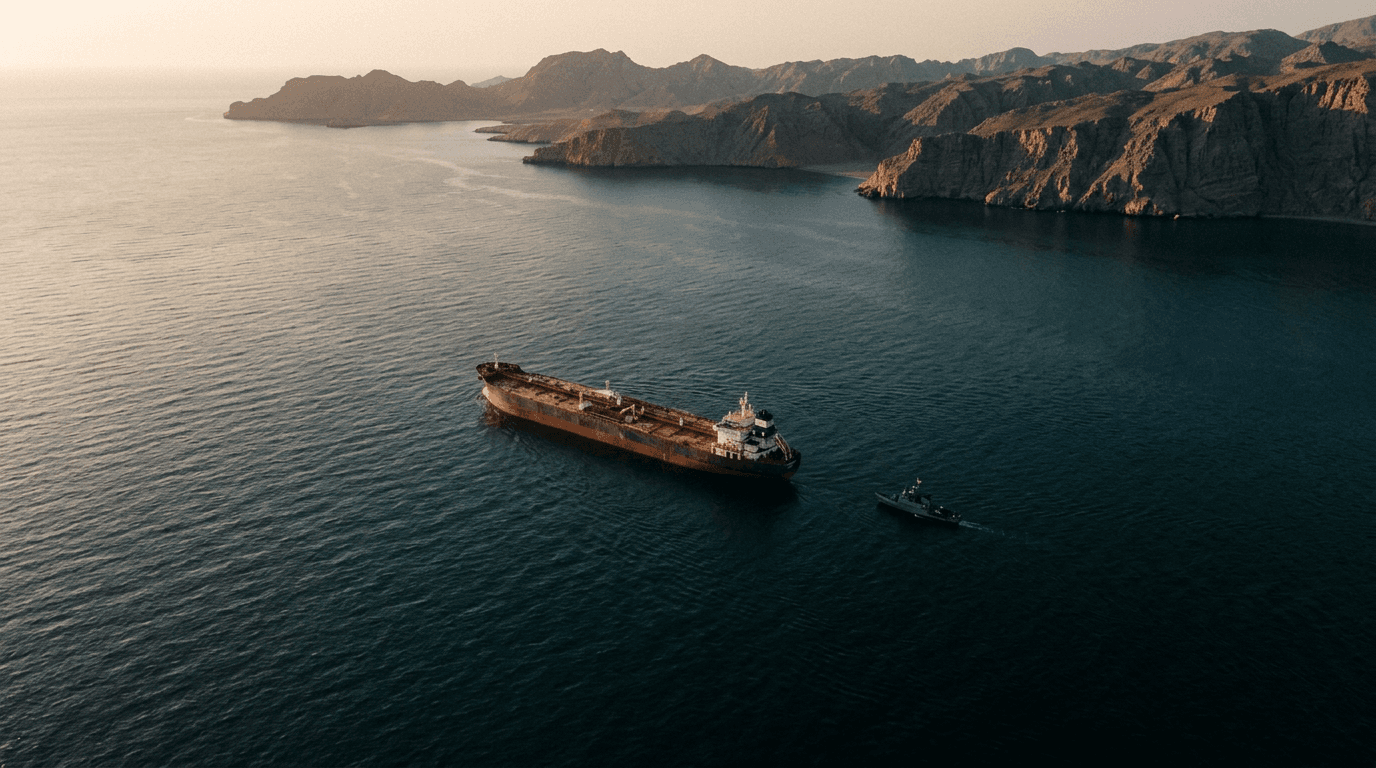
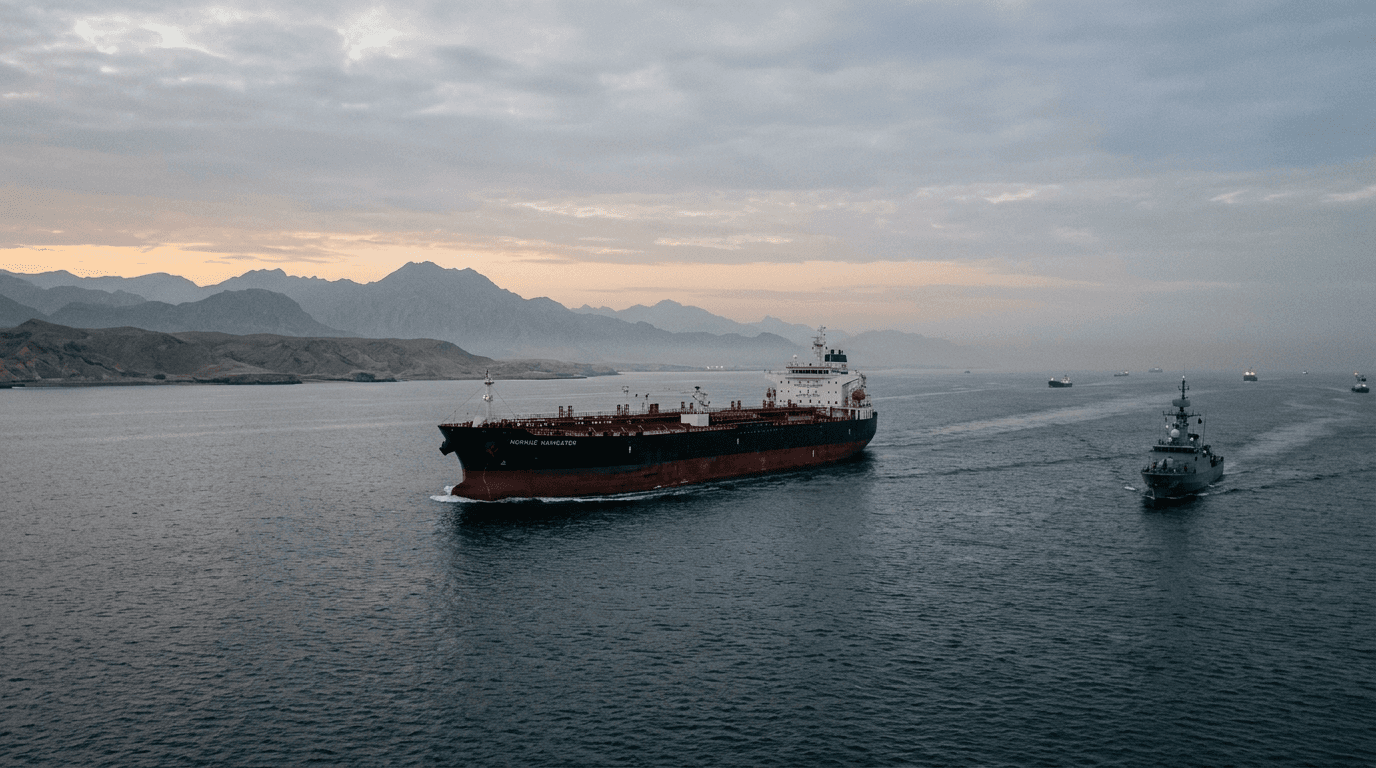
The stakes reach beyond diplomacy. Shipping through the Strait was sharply reduced in early November, according to trade intelligence data cited by Al Jazeera. The same report described a blockade, attacks on shipping and strikes in both directions, despite the absence of full-scale fighting. That combination leaves the prospect of a pause fragile and puts a vital shipping route at risk. Iran’s official statistics agency also reported an economic contraction, one indication of pressure from the blockade and sanctions. The dispute is therefore not only about the label attached to the conflict, but whether the measures and attacks that keep it dangerous will stop.
A deal remains possible, but the reporting does not establish that the two sides have agreed on ceasefire terms. Iran’s negotiator says Tehran is open to an agreement, and President Donald Trump has sent mixed signals: describing the war as effectively over while warning he would resume strikes if diplomacy failed. For the later-dated Polymarket contract, traders put the chance of an effective ceasefire by Dec. 31 at 73% as of 8:02 a.m. ET on Nov. 18. That remains a market view, not proof of a diplomatic breakthrough. Whether talks can turn an uneasy pause into a durable ceasefire—and whether shipping and attacks will remain disrupted—remains unsettled.